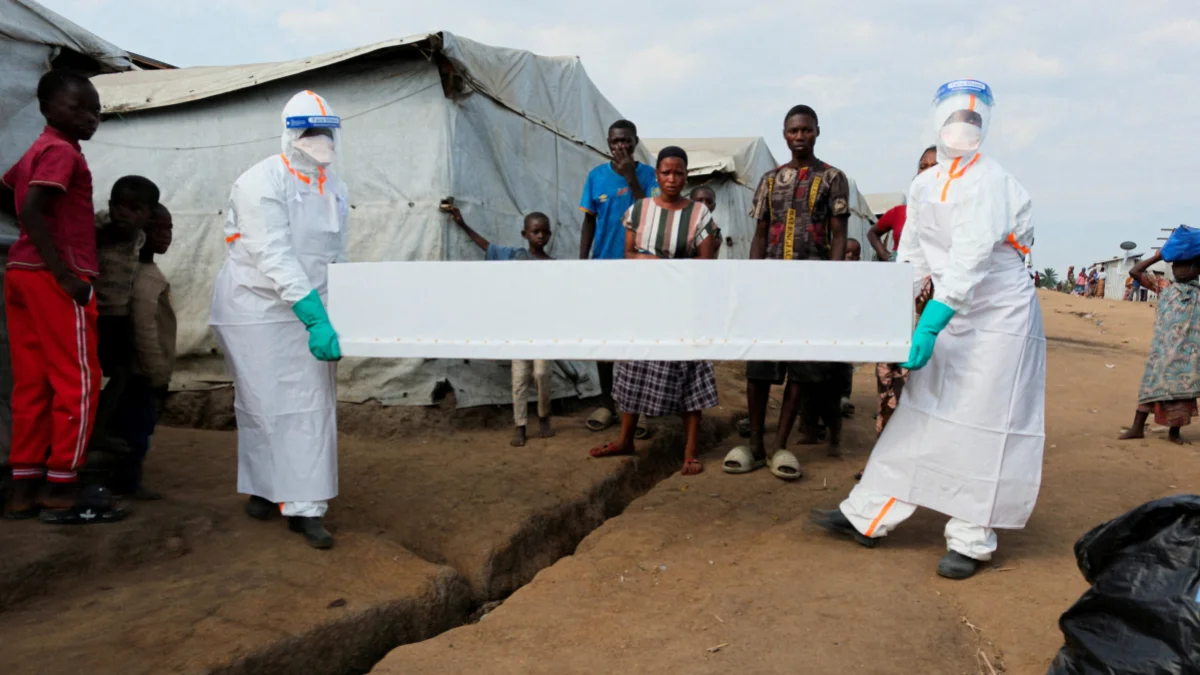
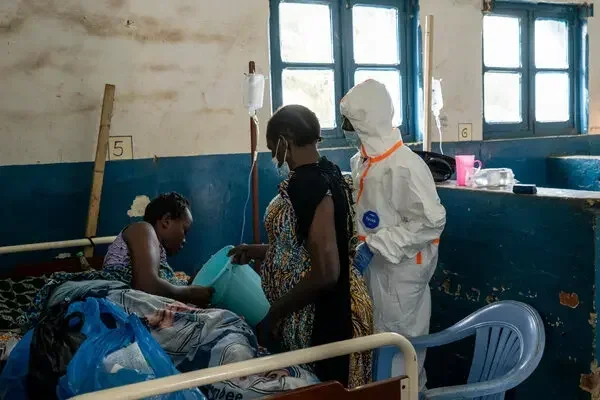
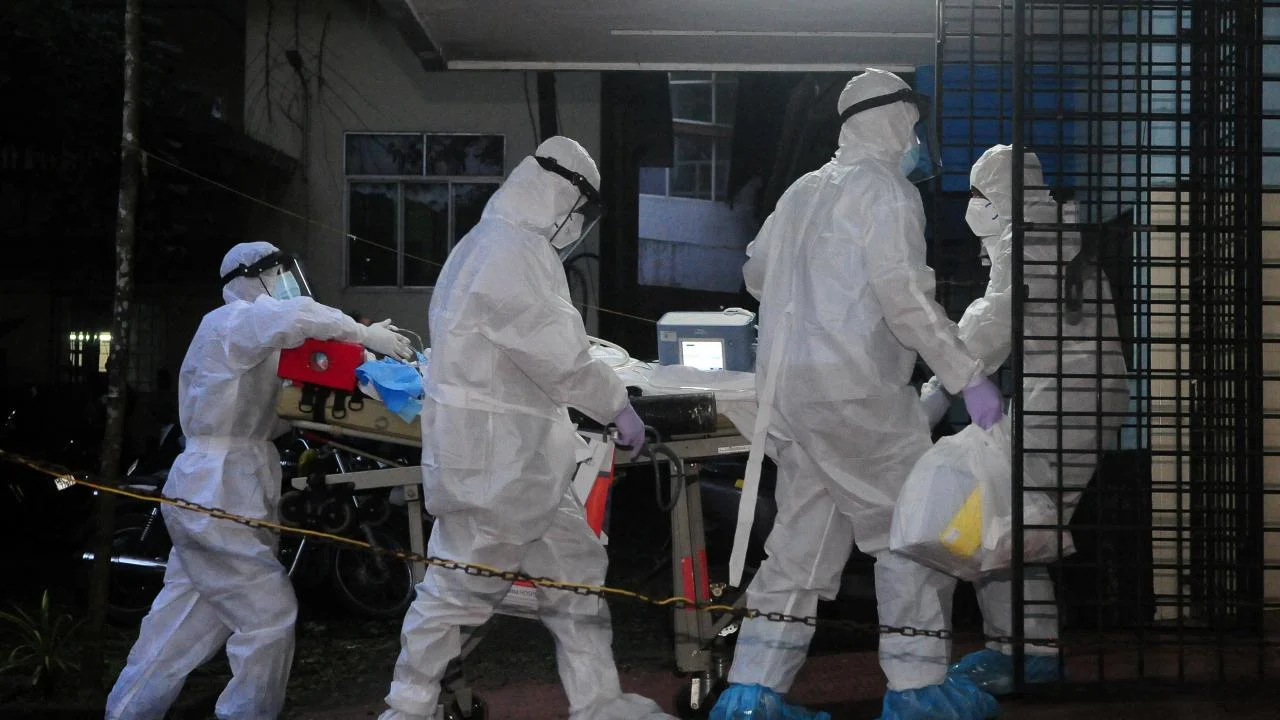
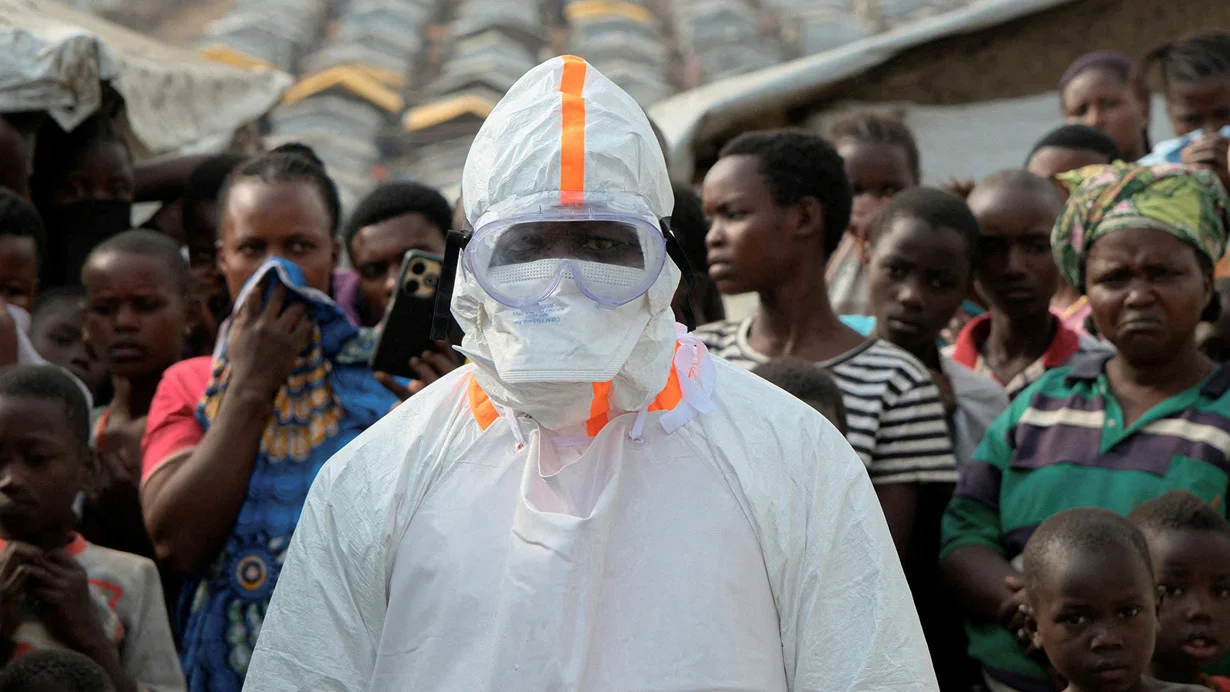
Following the confirmation of two cases of the Nipah virus in the city of Barasat, West Bengal, India, several Asian nations have begun implementing rigorous screening measures at airports to prevent a potential outbreak.
Operative Information Center-OMM reports that international media outlets have issued warnings regarding the spread of the pathogen. The World Health Organization (WHO) has released a statement concerning the Nipah virus, which carries a fatality rate of up to 75 percent, making it approximately five times more lethal than the coronavirus.
Authorities in Barasat have reportedly initiated large-scale public health measures after the two infections were identified. While the detection of the virus has sparked global concerns regarding a new pandemic similar to COVID-19, the WHO stated that the risk of a widespread international outbreak from India remains low. Consequently, the organization has not recommended any restrictions on travel or trade at this stage.
Despite the WHO's cautious stance, countries including Hong Kong, Malaysia, Singapore, Thailand, and Vietnam have tightened airport inspections this week to mitigate any risk of transmission. The WHO noted that there is currently no evidence of increased human-to-human transmission. However, the organization has not entirely ruled out the possibility of exposure to the virus circulating among bat populations in parts of India and neighboring Bangladesh.

Following India's confirmation of the infections, several Asian nations have intensified health screenings to prevent the potential spread of the virus across borders.
The Nipah virus (NiV) is a zoonotic virus, meaning it is transmitted from animals to humans. It is primarily carried by fruit bats (Pteropodidae family) and can also infect pigs. In humans, the virus causes a range of illnesses from asymptomatic infection to acute respiratory illness and fatal encephalitis (inflammation of the brain). The mortality rate is estimated between 40% and 75%, and there is currently no specific drug or vaccine approved for Nipah virus infection; treatment is limited to supportive care.
Transmission to humans typically occurs through direct contact with infected animals or consumption of food contaminated by the body fluids of infected bats, such as fruit or raw date palm juice. While human-to-human transmission is possible, it generally requires prolonged close contact with an infected person. Virologists maintain that while small-scale outbreaks are serious, the overall risk to the general global population remains low at this time.