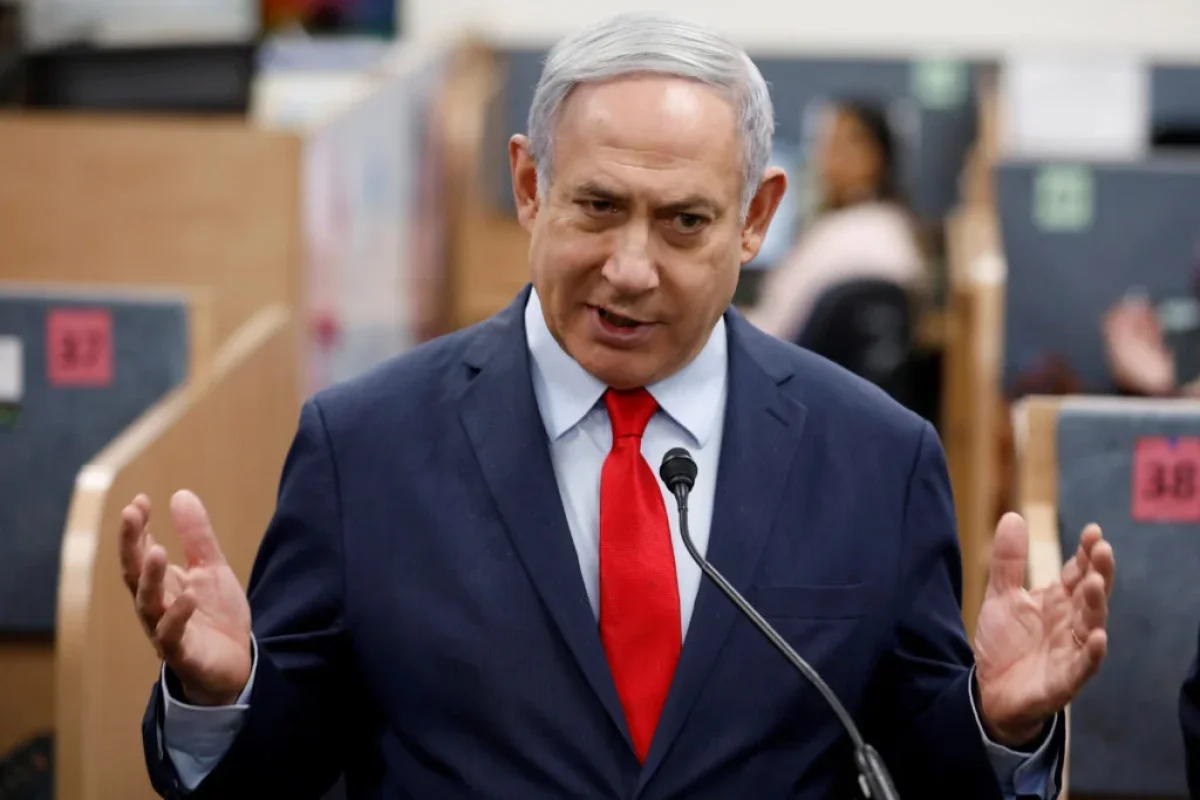
Israeli Prime Minister Benjamin Netanyahu has informed members of his security cabinet that Washington is demanding the withdrawal of Israeli forces from the Gaza Strip, Syria, and Lebanon ahead of his scheduled visit to the United States. Netanyahu has firmly rejected these demands, stating, "I will resist this resolutely. I will say no to them," according to reports citing Israel's Channel 13.
The Operative Information Center-OMM, citing the Israeli broadcaster, noted that these developments have deepened existing policy disagreements between Jerusalem and Washington. Despite these tensions, the Israeli security cabinet recently authorized the operations of a Peace Council in the Gaza Strip, an initiative spearheaded by US President Donald Trump. This decision faced opposition only from National Security Minister Itamar Ben-Gvir.
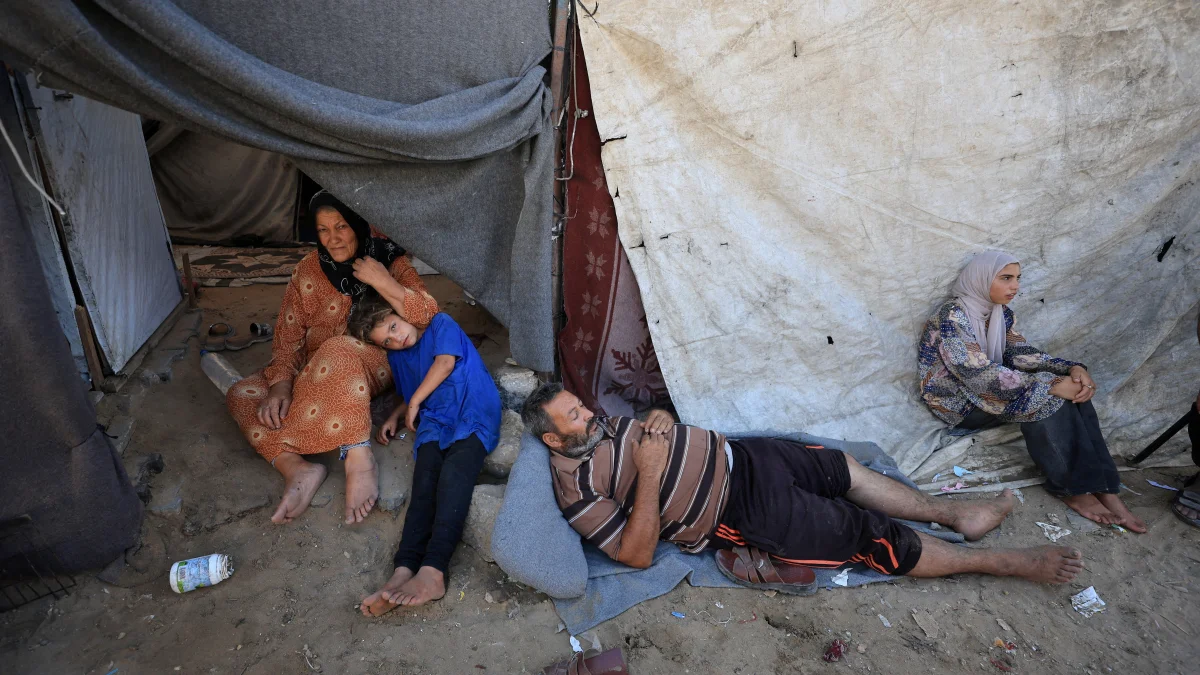
Political sources in Israel indicate that the deployment of International Stabilization Forces (ISF) to Gaza is a key component of a 20-point plan proposed by US President Donald Trump, aimed at securing the release of all hostages. Tel Aviv remains insistent on maintaining its defensive positions along the "yellow line" and has stated it will not withdraw troops until Hamas is fully disarmed and the Gaza Strip is demilitarized. Current plans involve approximately 200 representatives from allied nations, including Uganda and Morocco.
The cabinet has granted immunity to ISF participants in accordance with international protocols. These forces are expected to operate outside the "yellow line" in coordination with the Israel Defense Forces (IDF). Each deployment of an ISF unit will require separate approval from the Israeli Prime Minister, the Minister of Defense, and the Minister of Foreign Affairs. Participation is restricted to countries that have signed peace treaties with Israel and do not oppose the state or its officials on the international stage.
The ongoing discussions regarding the security architecture of the region highlight the complex diplomatic balancing act currently underway. The involvement of international stabilization forces represents a significant shift in the post-conflict management strategy for Gaza, reflecting the broader geopolitical efforts led by the US administration to stabilize the region while addressing Israel's core security requirements.