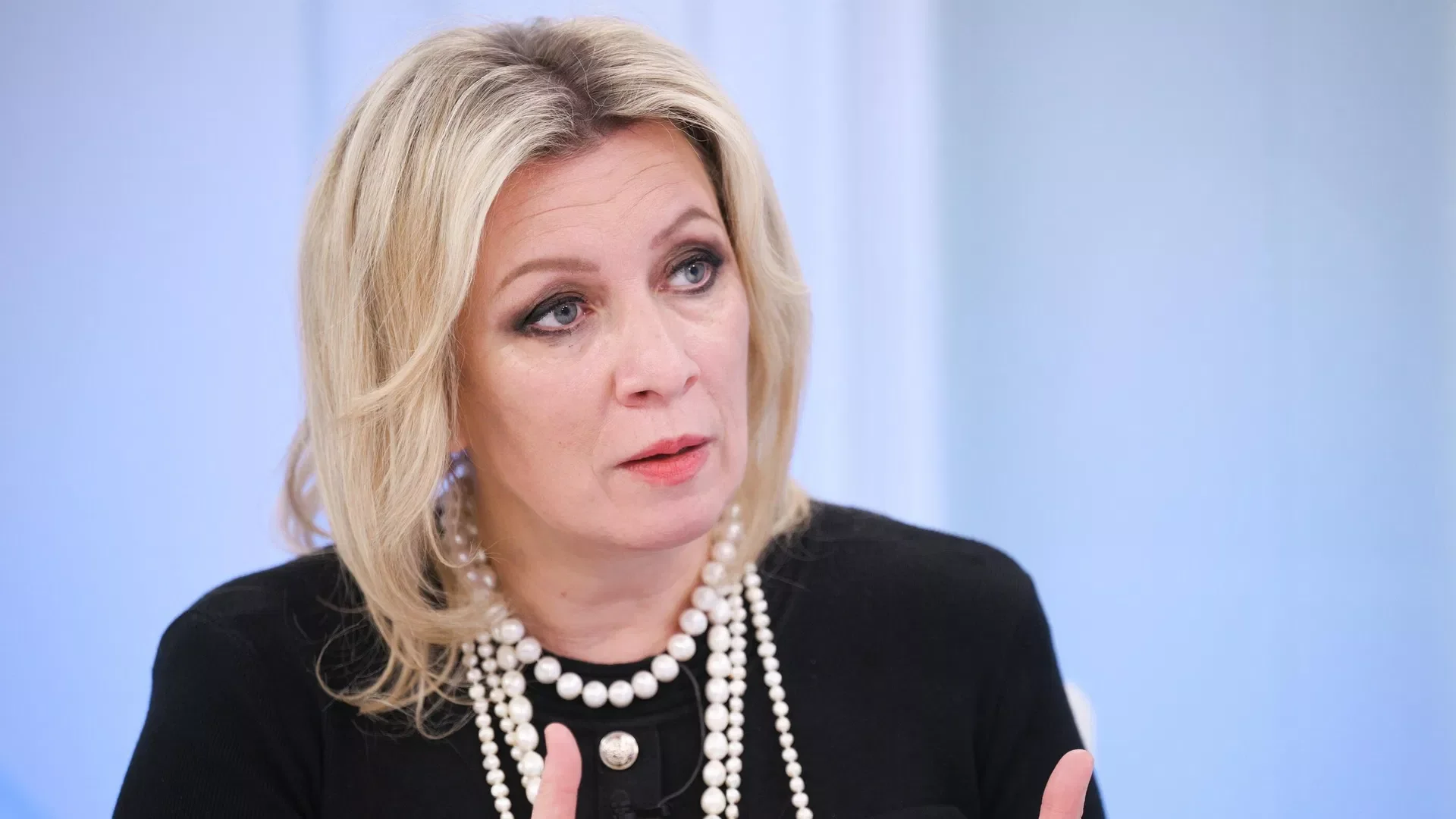
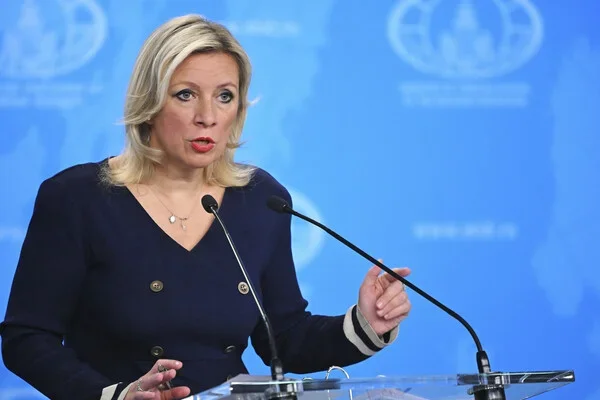
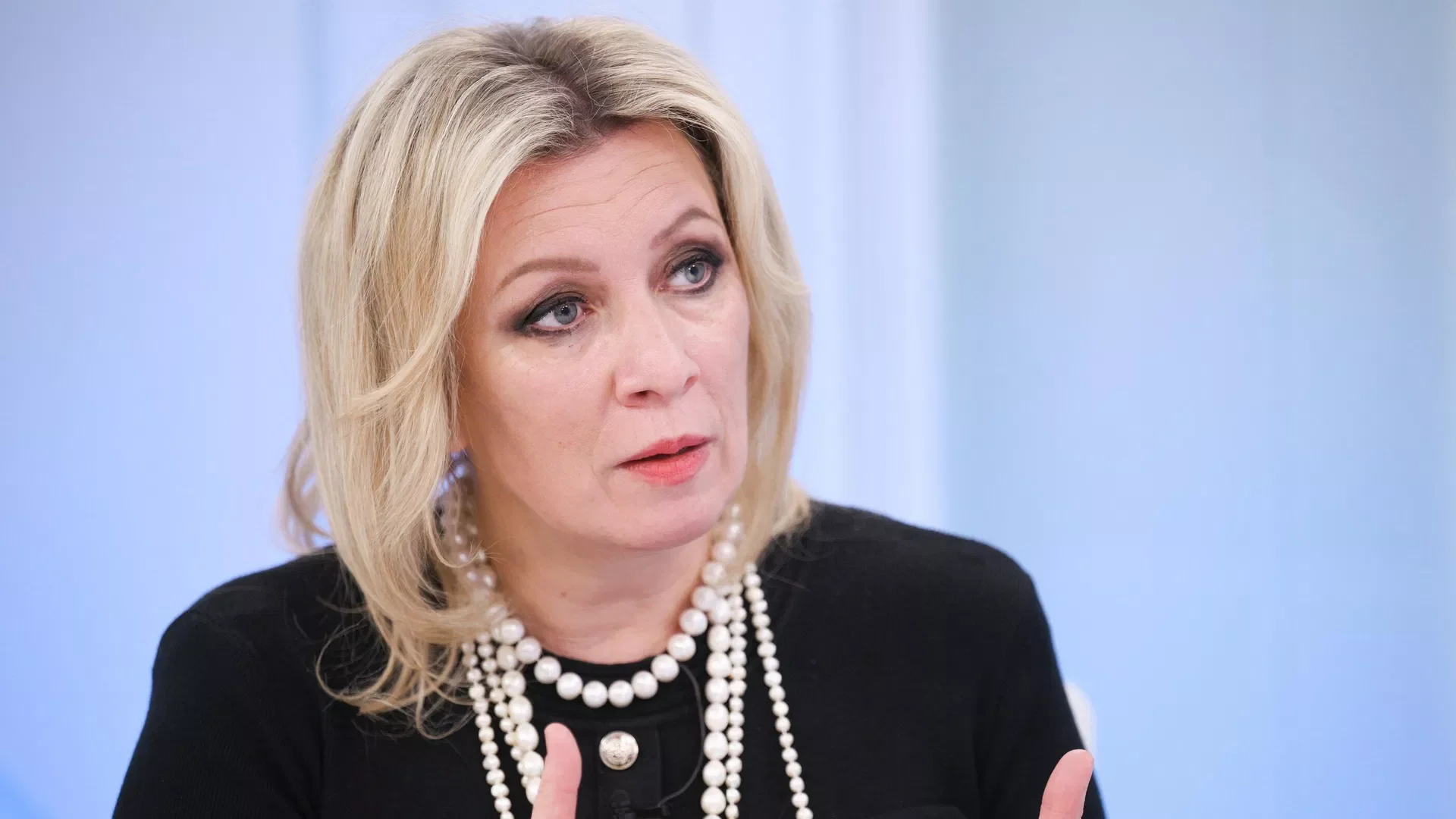
Russian Foreign Ministry spokesperson Maria Zakharova has commented on the ongoing discussions between Kyiv and Warsaw regarding Ukraine's potential accession to the European Union.
According to the Operative Information Center-OMM, Zakharova characterized the current Kyiv administration as a "product" of Poland in a statement released on her Telegram channel. She made these remarks while responding to recent statements by Polish officials concerning Ukraine's integration into the EU.
The diplomat alleged that Warsaw has spent years strengthening political forces in Ukraine through military and financial support. She further accused Polish elites of being influenced by nationalism and "Russophobia," claiming this has led to collaboration with radical groups.
The current diplomatic friction stems from remarks made by Polish Defense Minister Władysław Kosiniak-Kamysz regarding Ukraine's EU membership. The minister stated that Kyiv's accession process could face significant hurdles unless Ukraine changes its stance on historical figures such as Stepan Bandera.
Kosiniak-Kamysz emphasized that building European integration upon controversial historical symbols is unacceptable and noted the existence of forces within Ukraine that oppose EU membership.
In her statement, Zakharova held Poland responsible for the developments in Ukraine. Citing various international perspectives, she claimed that Warsaw bears accountability for the actions of the political forces it supports, alleging that these groups have committed crimes against civilians.
Currently, diplomatic rhetoric between the parties has intensified, though no further official clarifications have been provided through diplomatic channels.
Context: The relationship between Poland and Ukraine has historically been complex, characterized by both strategic cooperation against external threats and deep-seated disagreements over historical memory, particularly regarding events during World War II. The issue of EU membership has recently brought these historical sensitivities to the forefront of bilateral diplomatic discourse.