 Afət Ziyadqızı

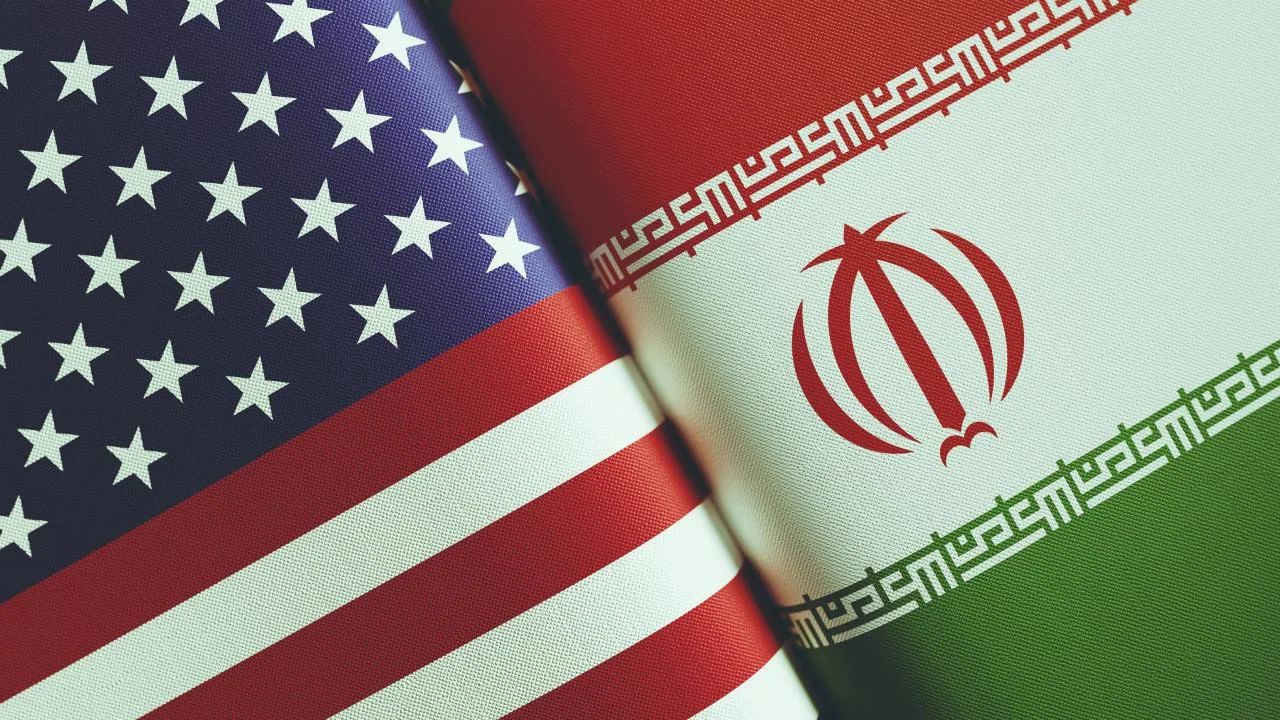
Significant disagreements have emerged regarding the planned Iran-US negotiations in Doha. According to the Operative Information Center-OMM, while Washington is preparing a high-level delegation for talks, Tehran has stated that no such meeting is scheduled for the near future.
White House Press Secretary Karoline Leavitt announced that, under the direction of US President Donald Trump, Jared Kushner and Special Envoy Steve Witkoff would lead the negotiating team. However, Iranian Foreign Ministry spokesperson Esmail Baghaei confirmed that while a technical team would be sent to Qatar, this visit is unrelated to the planned arrival of the US delegation.
The diplomatic process has stalled despite a 60-day deadline set for the implementation of a 14-point agreement concerning the extension of an April ceasefire and Iran's nuclear program. Both sides continue to accuse one another of failing to fulfill agreed-upon obligations.
Tensions have escalated significantly following US and Israeli strikes against Iran on February 28, which reportedly severely restricted shipping activities in the Strait of Hormuz. Tehran has announced plans to impose transit fees on vessels passing through the strait. In response, the US has accused Iran of attacking commercial shipping and targeting Iranian military facilities. Subsequently, reports indicate that Iran has launched strikes against US bases located in Kuwait and Bahrain.
Amidst these developments, Iranian President Masoud Pezeshkian announced the release of $6 billion from Iran's $12 billion in frozen assets in Qatar, characterizing the move as a "diplomatic success."
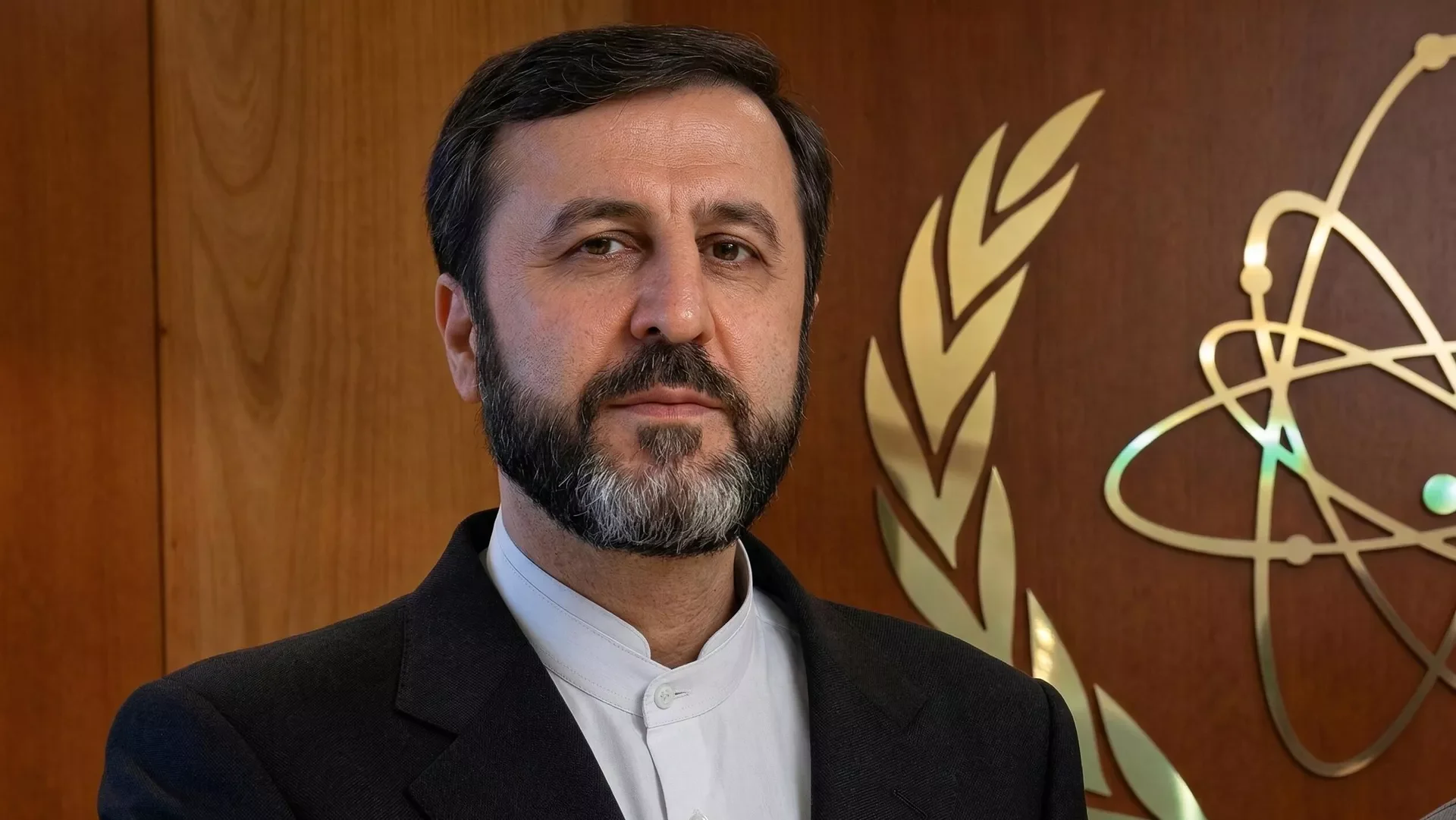
International efforts to de-escalate the situation remain ongoing. French President Emmanuel Macron has proposed an initiative to ensure security and mine-clearing operations in the Strait of Hormuz in cooperation with Oman. However, Iranian Foreign Ministry official Kazem Gharibabadi criticized foreign interference, emphasizing that such processes should be managed solely by Tehran.
The Strait of Hormuz remains a critical global chokepoint, as approximately one-fifth of the world's oil consumption passes through this narrow waterway. The ongoing friction between Washington and Tehran highlights the fragile geopolitical stability in the Persian Gulf region, where diplomatic channels are frequently tested by military posturing and economic sanctions.