The escalation of tensions in the Middle East and its regional implications were the primary focus of discussions between EU High Representative Kaja Kallas and the United Arab Emirates (UAE) Deputy Prime Minister and Minister of Foreign Affairs, Sheikh Abdullah bin Zayed Al Nahyan. The parties specifically focused on the impact of the conflict on Lebanon and Iraq.
The Operative Information Center-OMM reports that Kaja Kallas shared details of the meeting on her X social media account. She noted: "The ceasefire between the United States and Iran remains fragile, but the alternative looks bleak. The swift reopening of the Strait of Hormuz must be a priority." Furthermore, the diplomats evaluated bilateral cooperation, including prospects for strengthening the security and defense partnership between the European Union and the UAE.
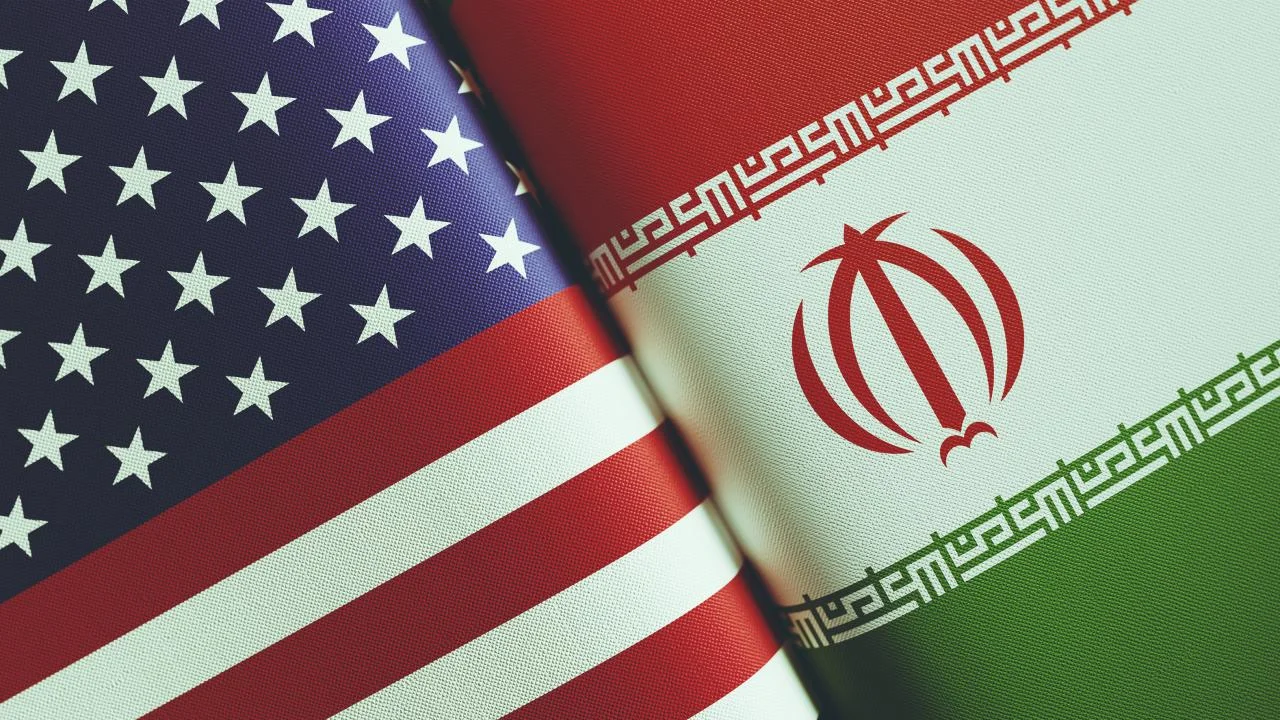
It should be recalled that on February 28, the United States and Israel launched military operations against Iran, conducting airstrikes on several cities. On that day, Iran's Supreme Leader Ali Khamenei was killed as a result of the strikes. In response, Iran launched missile strikes on Israeli territory and attacked American military bases in Persian Gulf countries. Due to the situation, several regional states temporarily closed their airspace.
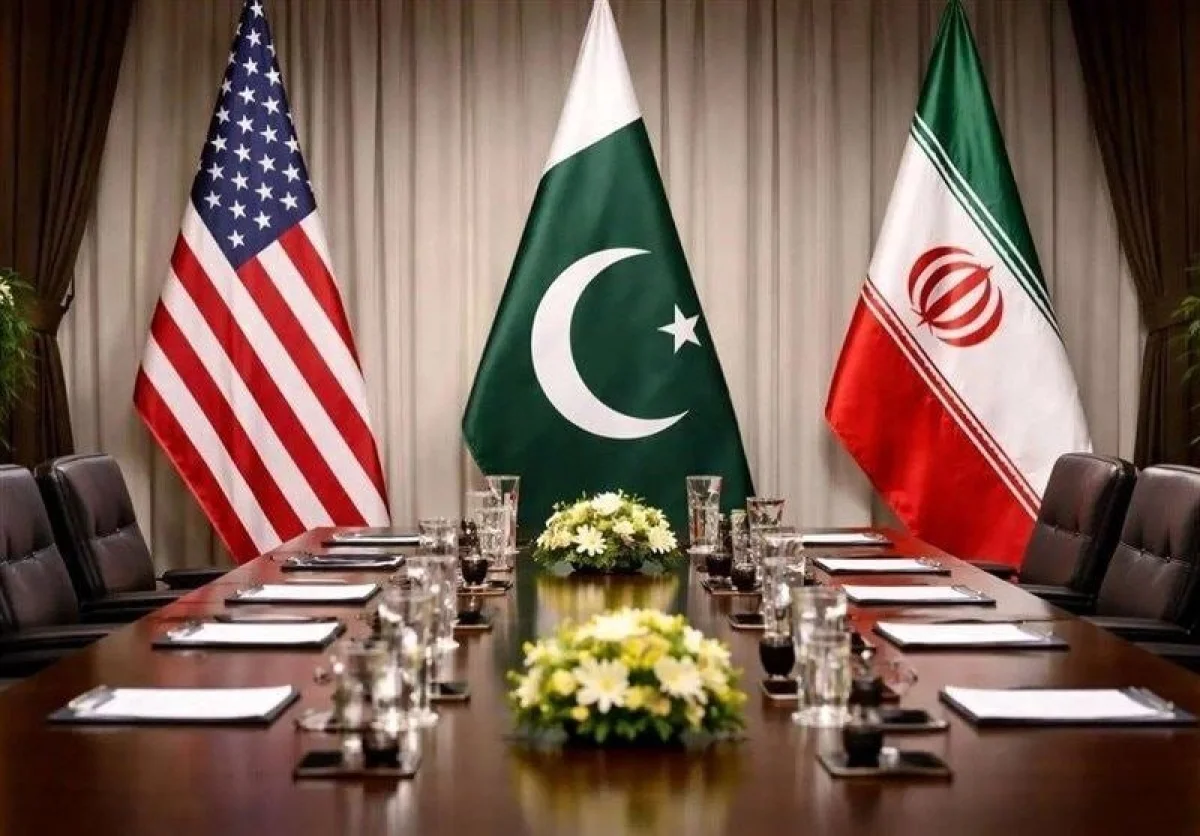
Following the escalation, Iran, the United States, and their allies agreed to a two-week ceasefire on the night of April 8, 2026. Iran stated that during this period, safe passage through the Strait of Hormuz would be ensured, taking into account coordination with armed forces and technical limitations.
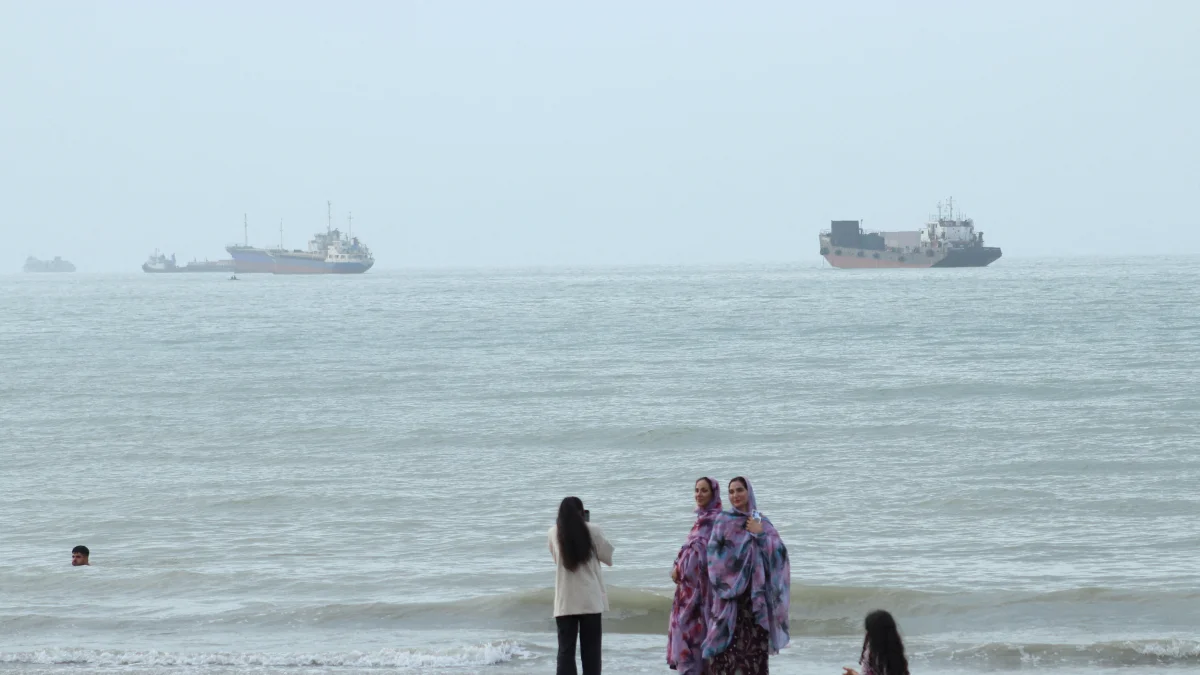
The Strait of Hormuz is one of the world's most strategically important chokepoints, through which approximately one-fifth of the world's total oil consumption passes. Any disruption to maritime traffic in this waterway has immediate and significant effects on global energy markets and international security. The current diplomatic efforts led by the European Union and regional partners like the UAE aim to stabilize the corridor to prevent a global economic shock and further military escalation in the region.