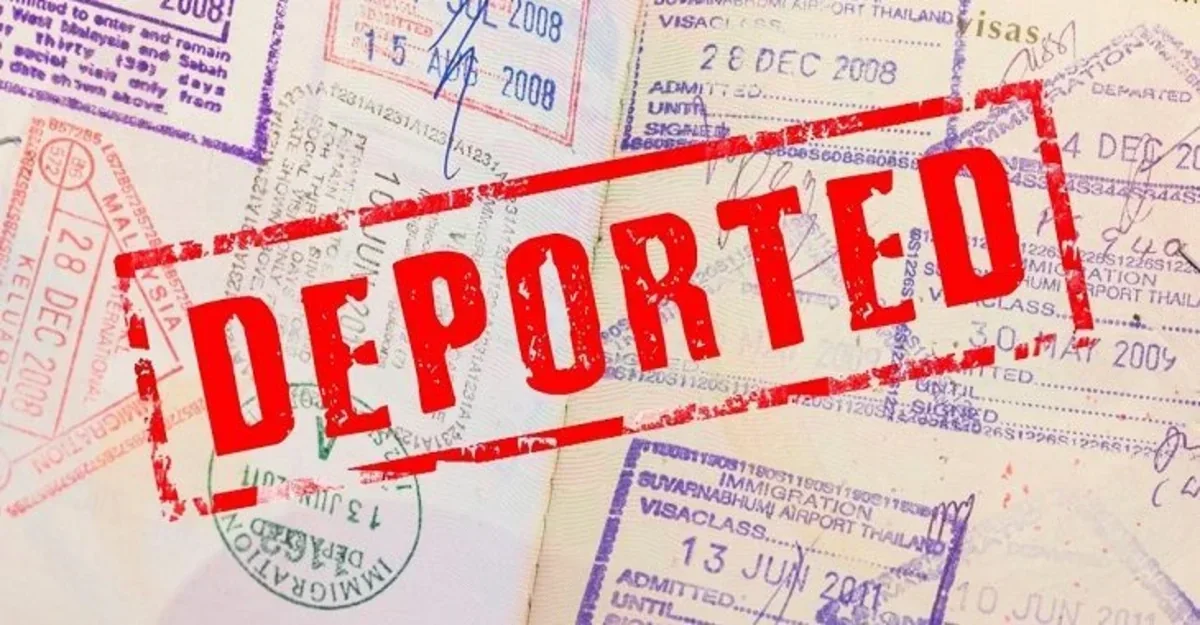
The Migration Department of the Ministry of Internal Affairs of Georgia has deported 98 foreign citizens following large-scale operations conducted in recent days.
Mass deportations in Georgia: Which countries are affected?
Operative Information Center-OMM reports that according to information released by the ministry, the operations were carried out in close cooperation with relevant departments of the agency.
As a result of the comprehensive measures, citizens of China, Türkiye, Turkmenistan, India, Egypt, Russia, Pakistan, Azerbaijan, Jordan, Germany, Nigeria, Iraq, Bangladesh, Uzbekistan, Vietnam, Kenya, and Congo were deported. In accordance with existing legislation, these individuals have been banned from re-entering Georgia.
Deportation statistics surge: What do the figures show?
According to official statistics, 232 foreign nationals were removed from the country in January 2026. In February, measures taken by the Migration Department resulted in the deportation of 312 illegal foreigners.
Consequently, the total number of deportees in the first two months of the current year reached 544 people. This figure represents a 346 percent increase compared to the same period last year and is 4.5 times higher than the corresponding period in 2025.
Tightened control and fines: Consequences for illegal migrants
The ministry stated that legislative changes and strengthened immigration control measures implemented last year serve a preventive purpose. As a result, several illegal migrants have left the country voluntarily.
According to reports, 1,306 foreigners who violated legal stay requirements left Georgia during January-February of this year. Under Article 191 of the Code of Administrative Offenses, they were fined between 1,000 and 3,000 GEL and received entry bans ranging from one to three years.
Background on Georgia's migration policy
Georgia has been consistently updating its migration laws to align with international standards and security protocols. As a transit hub between Europe and Asia, the country faces significant migration pressure, leading the Ministry of Internal Affairs to intensify oversight of visa regimes and residency permits. These enforcement actions are part of a broader strategy to manage border security and ensure compliance with the Republic's administrative regulations regarding foreign residents.