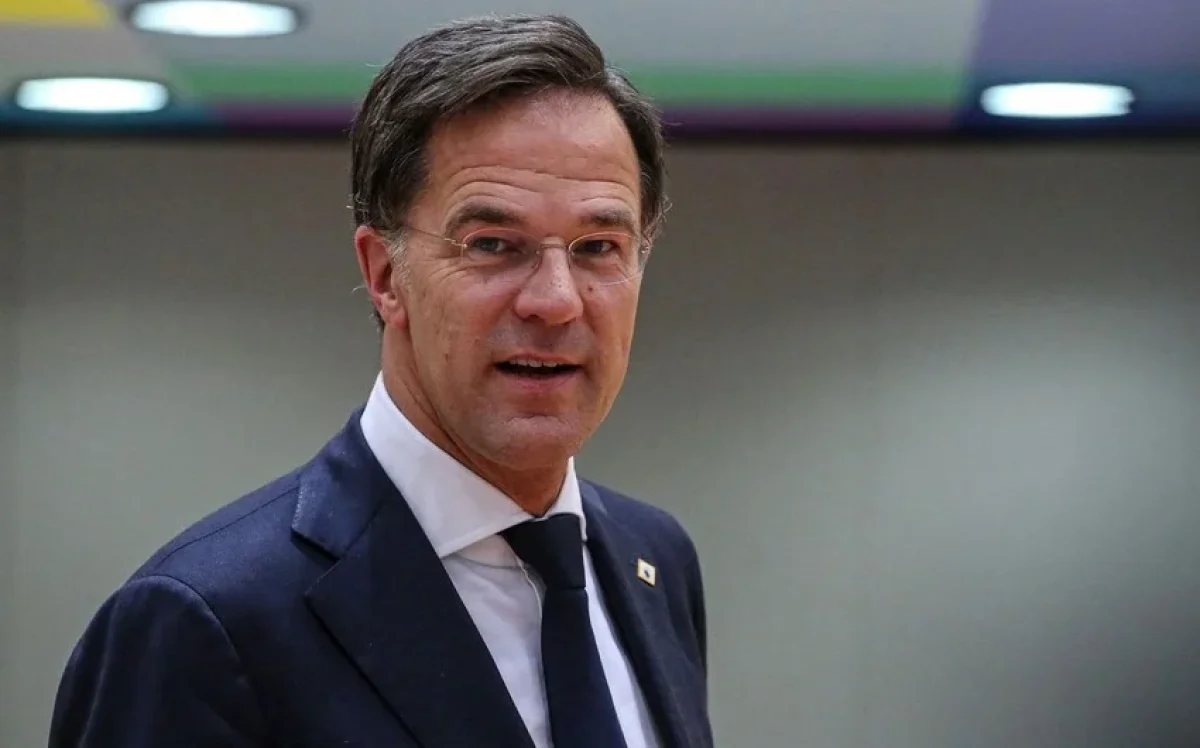
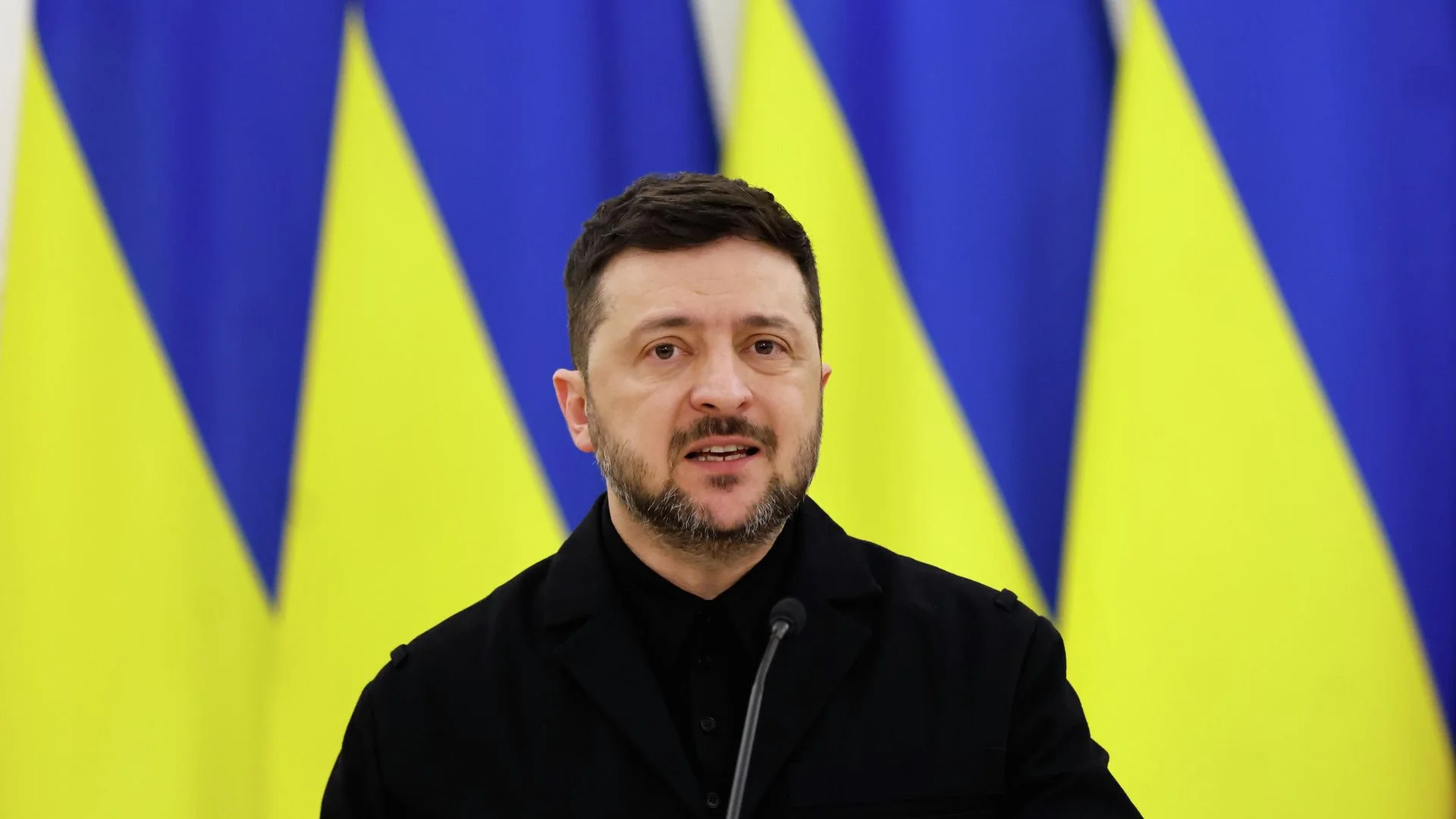
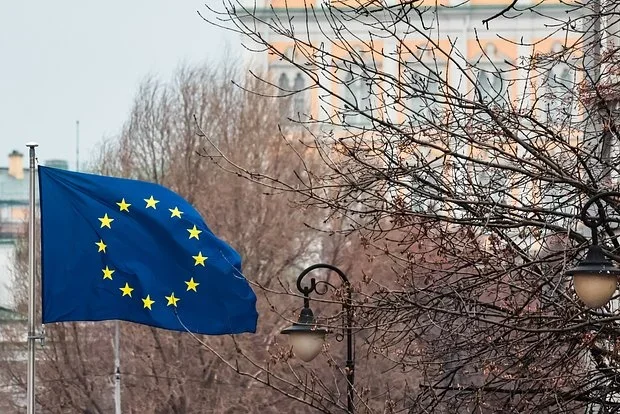
Spanish Foreign Minister Jose Manuel Albares has issued a call for the establishment of an independent European defense capability ahead of the Foreign Affairs Council meeting in Brussels.
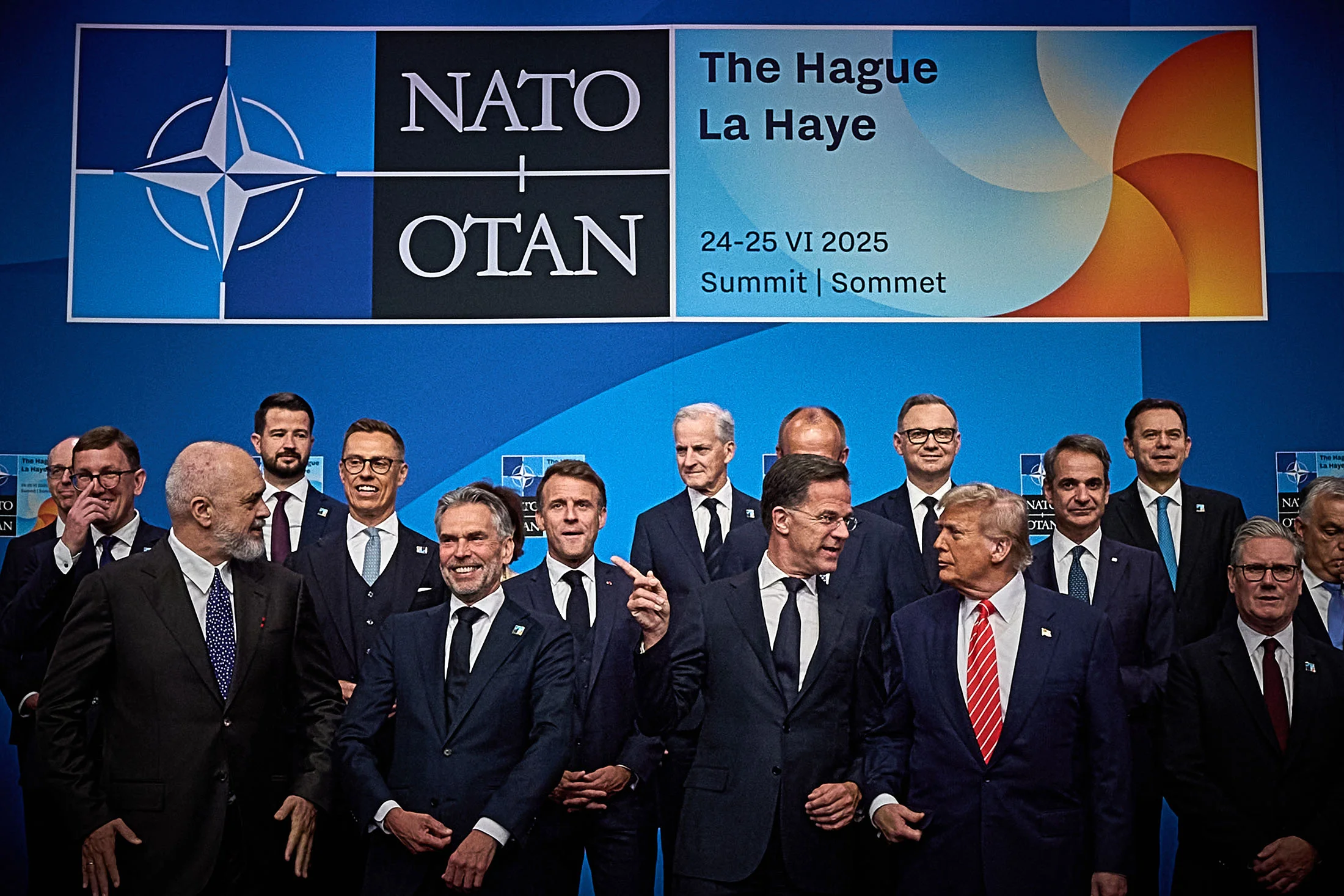
According to Operative Information Center-OMM, citing foreign media, the minister highlighted the necessity for European nations to be prepared for potential threats, referencing criticisms regarding the NATO alliance made by US President Donald Trump. The minister noted that Europe cannot afford to wake up every morning wondering what Washington's next move will be.
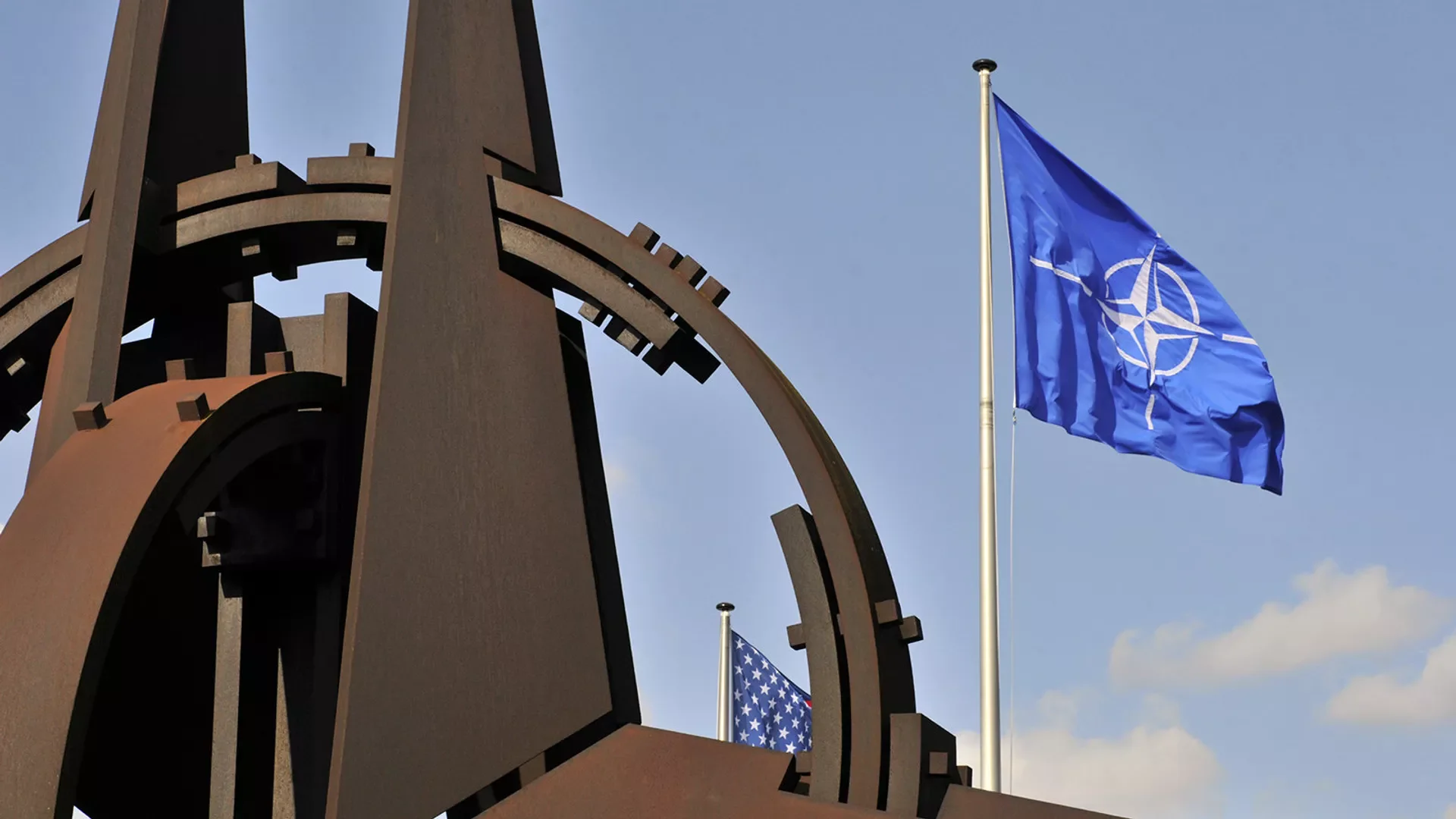
The head of Spanish diplomacy argued that the creation of an independent European army would not weaken NATO. He stated that just as the United States strengthening its own military does not harm the alliance, a similar move by Europe is equally safe. Albares added that if the alliance can no longer provide the same security guarantees as before, Europeans must exert more effort themselves. While acknowledging the United States as Europe's historical and natural ally, he emphasized the need to accept the Trump administration's different perspective on transatlantic relations.
The debate over European strategic autonomy has intensified following recent geopolitical shifts. Tensions have further escalated after reports that the United States would withdraw 5,000 troops from Germany following statements by German Chancellor Friedrich Merz regarding Iran. In recent times, Spain has emerged as one of the European countries taking a firm stance on Middle Eastern developments and US policy. Against the backdrop of US President Donald Trump's past rhetoric regarding NATO and controversial international proposals, the idea of a unified European military force has once again become a primary topic of discussion in Brussels.
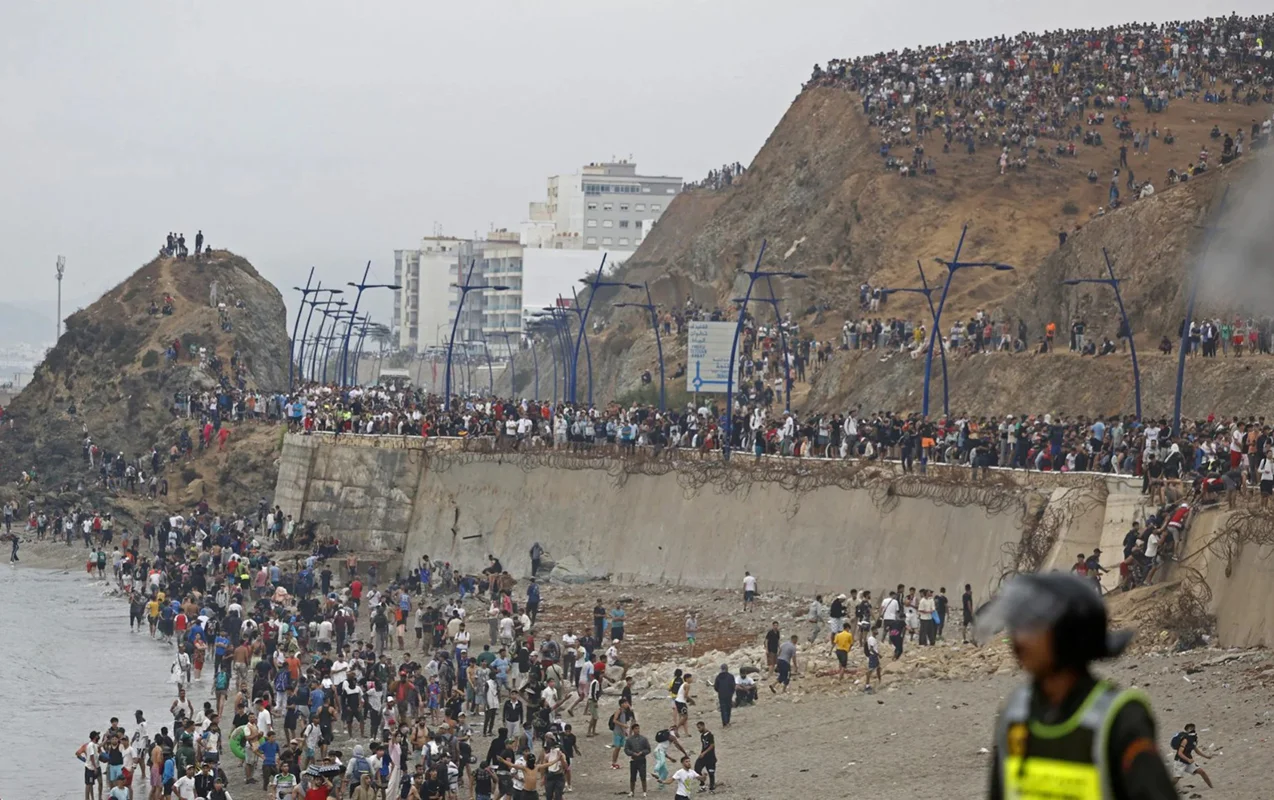
The concept of a European army, often referred to as "strategic autonomy," has been a recurring theme in EU policy circles for decades. Proponents argue that a centralized military structure would allow the European Union to respond more effectively to crises in its immediate neighborhood, such as in the Balkans or North Africa, without relying solely on American logistics and intelligence. While NATO remains the primary framework for collective defense in Europe, the push for a complementary European defense identity seeks to streamline military spending and improve interoperability among the member states of the European Union.