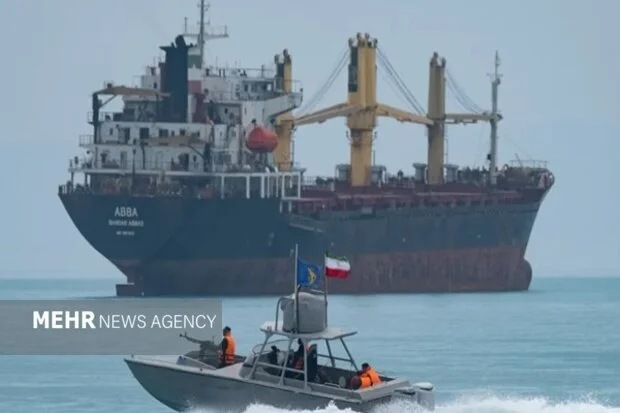
Iran has drafted a new legislative proposal aimed at bolstering security within the Strait of Hormuz, a critical maritime chokepoint for global energy supplies.
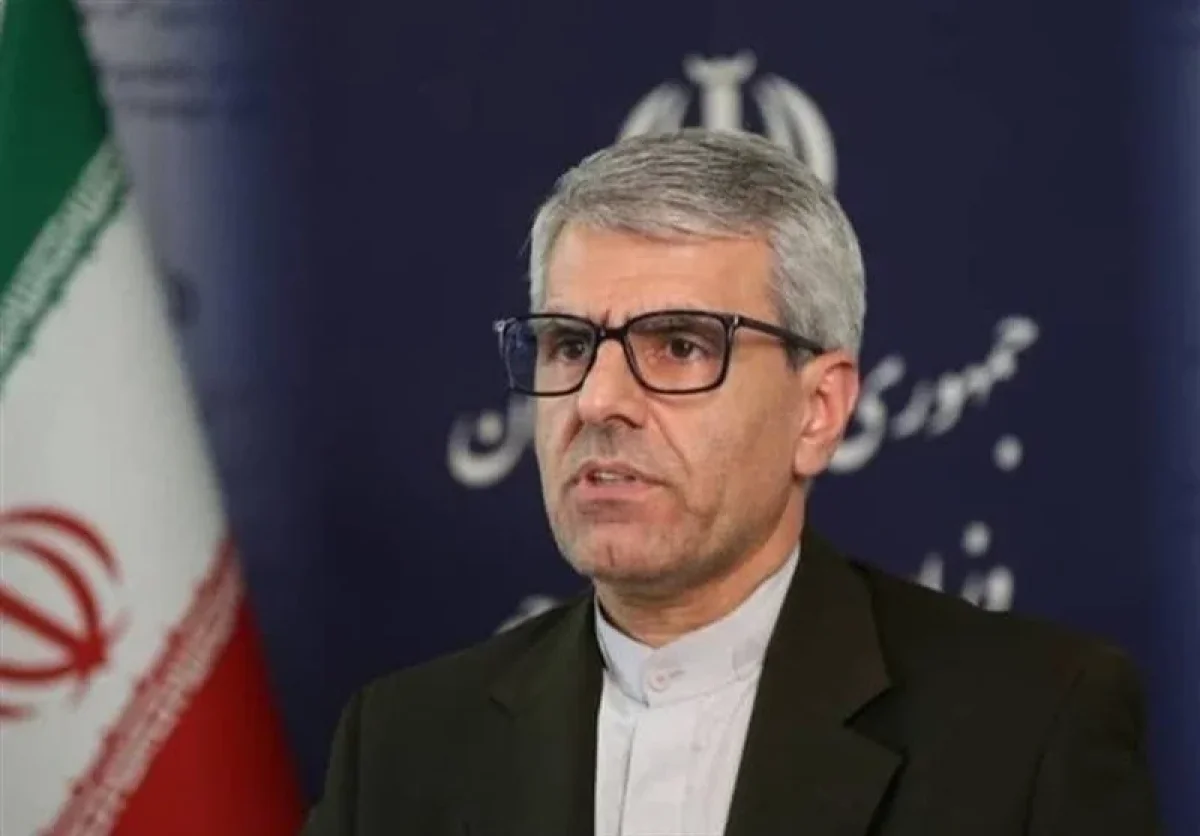
According to the Operative Information Center-OMM, a senior representative of the Iranian parliament stated that if the bill is enacted, it will impose strict limitations on the passage of vessels identified as sources of regional tension or those engaged in intelligence-gathering activities.
The primary objective of the draft law is to enhance security along this strategically vital waterway and to preempt foreign interference. The proposed measures include restricting the transit of vessels deemed hostile and tightening surveillance protocols for ships suspected of espionage or intelligence operations.
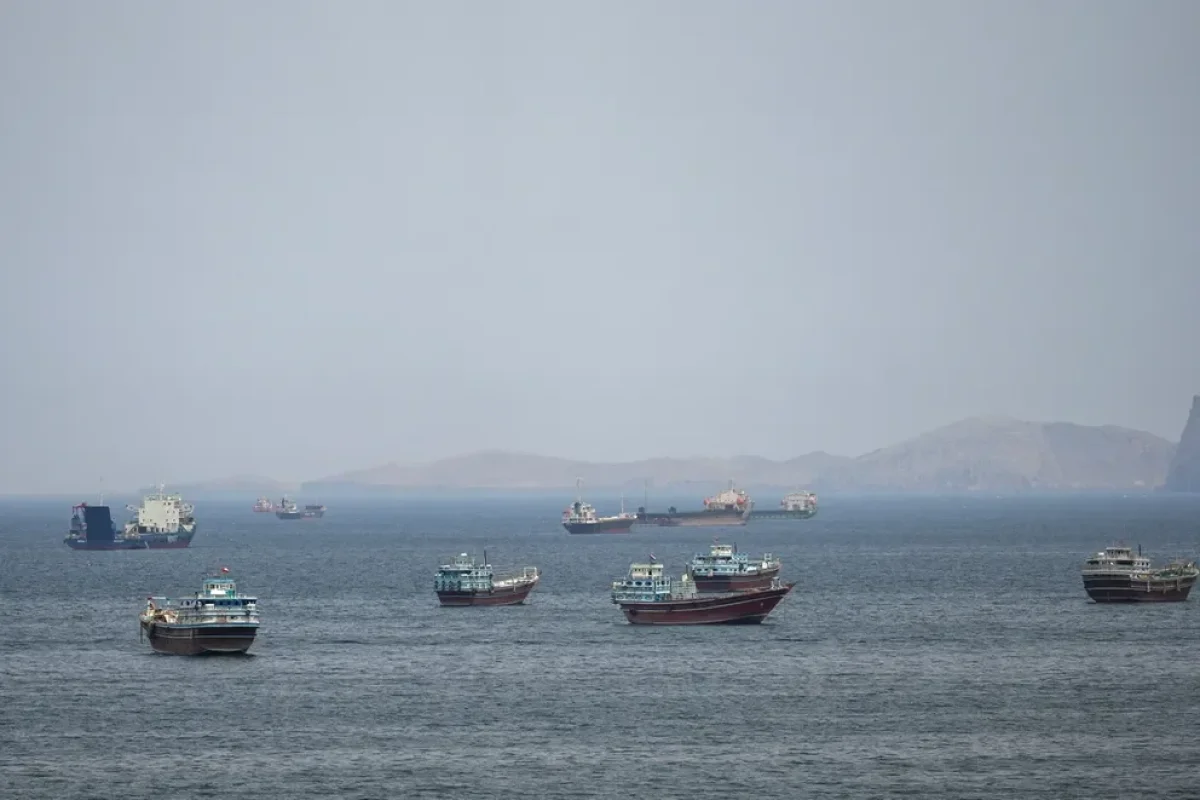
The Strait of Hormuz serves as one of the world's most significant energy transit routes, with a substantial portion of global oil and liquefied natural gas (LNG) exports passing through its narrow waters daily. Consequently, any regulatory changes or restrictions on maritime traffic in this region carry the potential to significantly impact global energy markets and international shipping logistics.
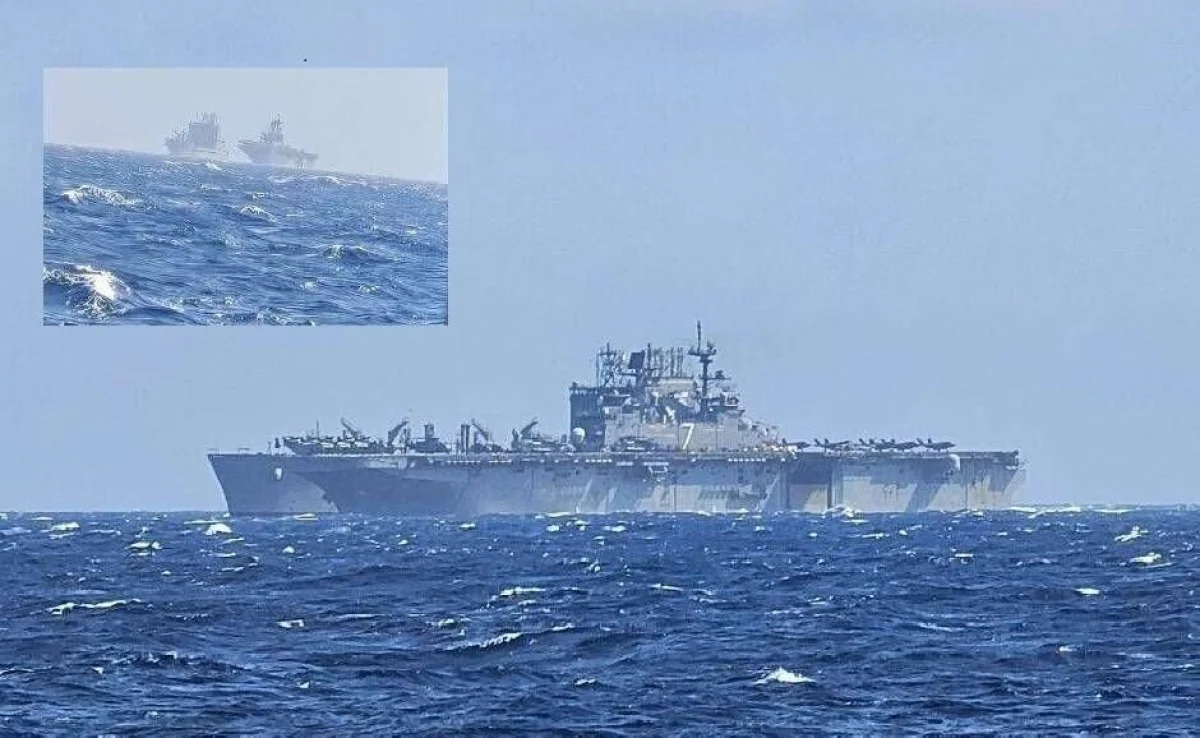
This initiative by Tehran emerges against a backdrop of heightened military and political tensions in the Middle East, raising concerns among international observers about the potential for further escalation and the tightening of control over this vital global artery.