 Afət Ziyadqızı

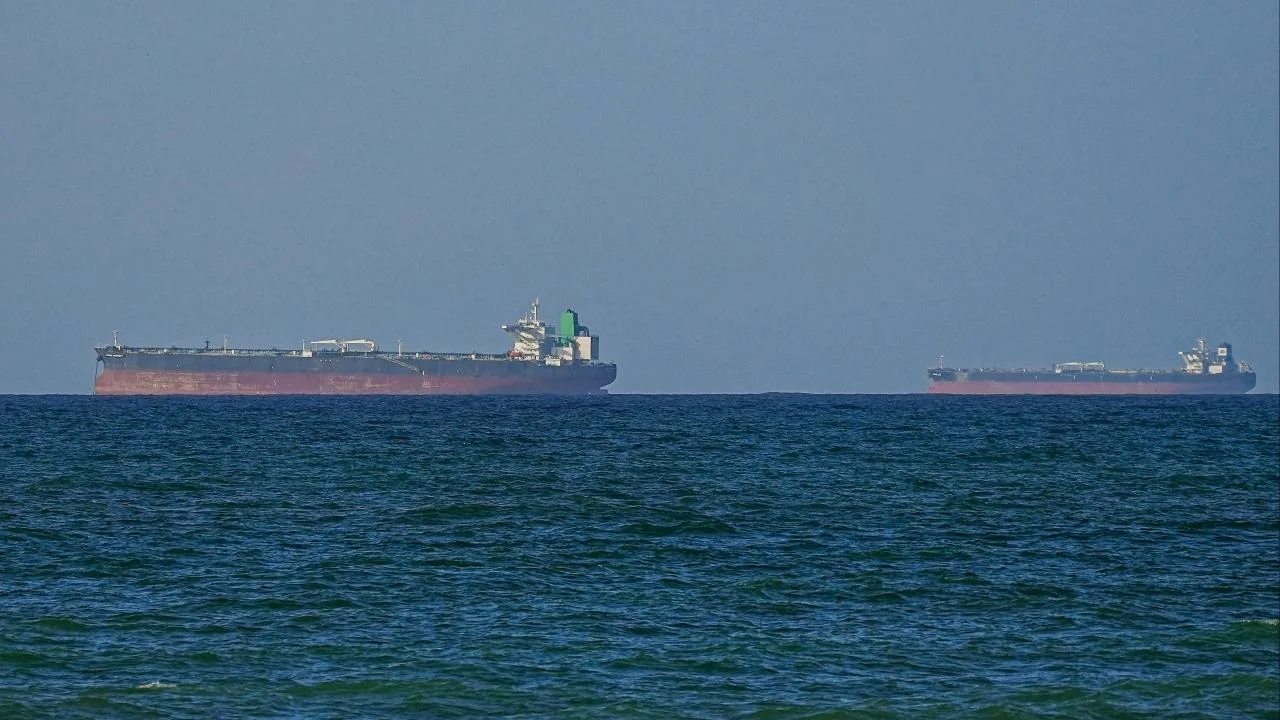
The South Korean government has successfully relocated the majority of its vessels to safe zones amid the escalating tensions in the Strait of Hormuz. According to the Operative Information Center-OMM, this update was provided during a Cabinet of Ministers meeting.
Officials reported that the security situation in the region deteriorated sharply following airstrikes conducted by the United States and Israel against Iran in late February, which effectively led to the closure of the Strait of Hormuz. It was noted that only two vessels remain in the area, as they could not be relocated due to specific technical and logistical constraints.
During the meeting, authorities emphasized that this successful evacuation was the result of coordinated efforts between the Ministry of Oceans and Fisheries, the Ministry of Foreign Affairs, and the National Intelligence Service, reflecting public trust in the government's crisis response. Officials commended the collaborative efforts of all state agencies involved during this critical period.
However, the government cautioned that the situation remains unstable. Despite the potential for future peace agreements, officials noted that it will take time for the global economy to return to its previous state of stability. The Strait of Hormuz is a critical maritime chokepoint, through which a significant portion of the world's oil supply passes, making any disruption a major concern for global energy security.
Looking ahead, officials stressed the necessity of implementing more effective crisis management mechanisms in the medium and long term. Calls were made to prioritize the diversification of energy and raw material supply chains and to strengthen overall preparedness for emergency situations.