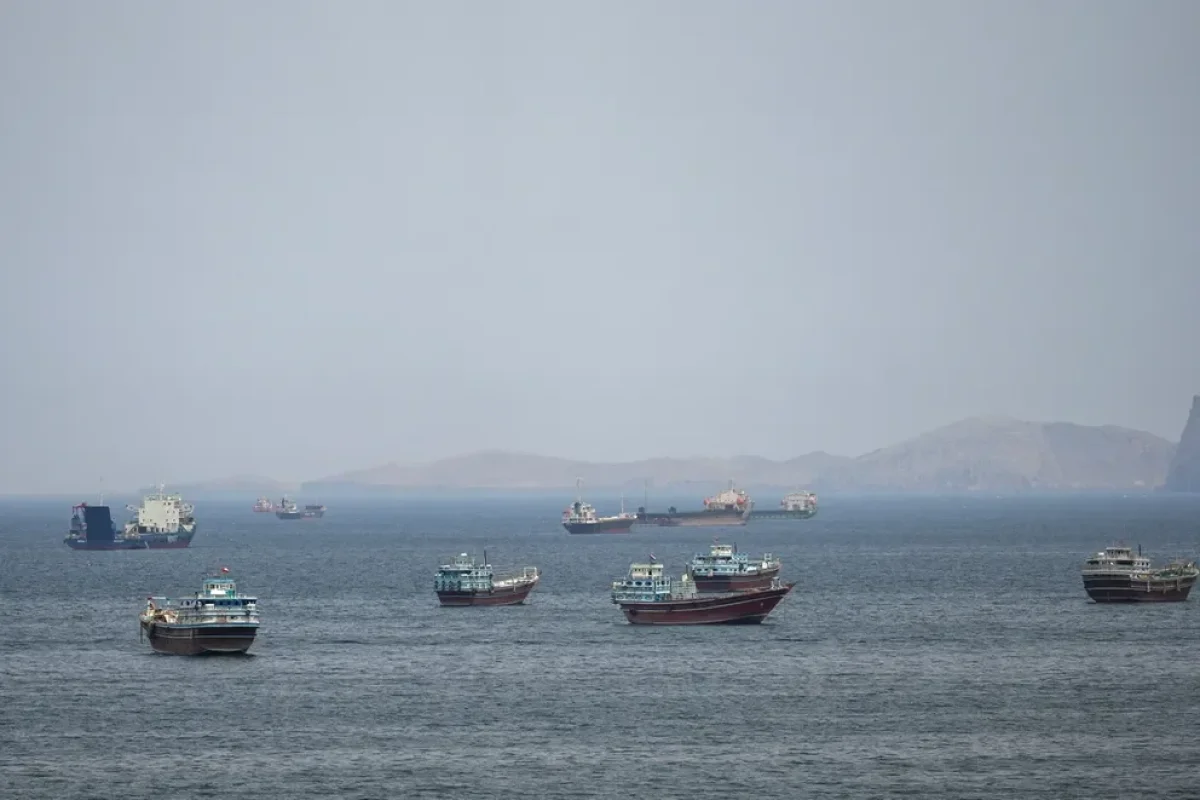
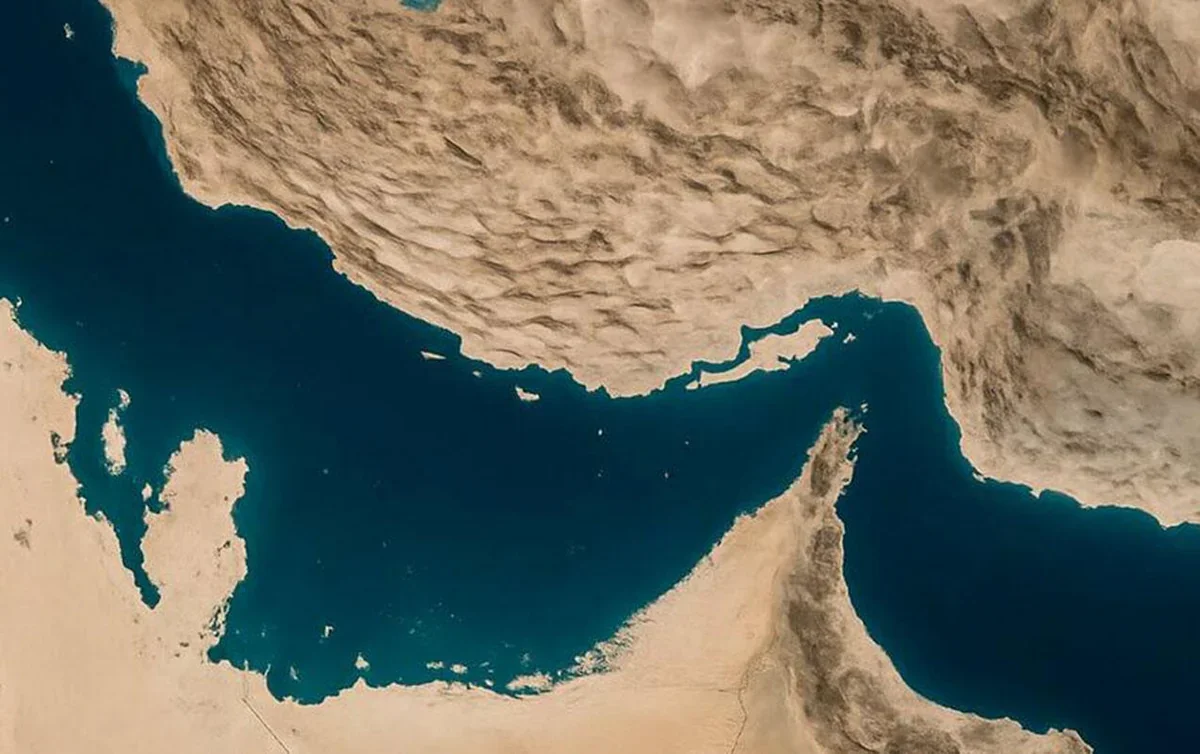
Iran and Oman are currently engaged in negotiations to establish a new mechanism for transit through the Strait of Hormuz, signaling a shift in maritime regulations for the strategically vital waterway. The transit conditions will no longer remain as they were, with officials indicating that a completely new framework is being developed.
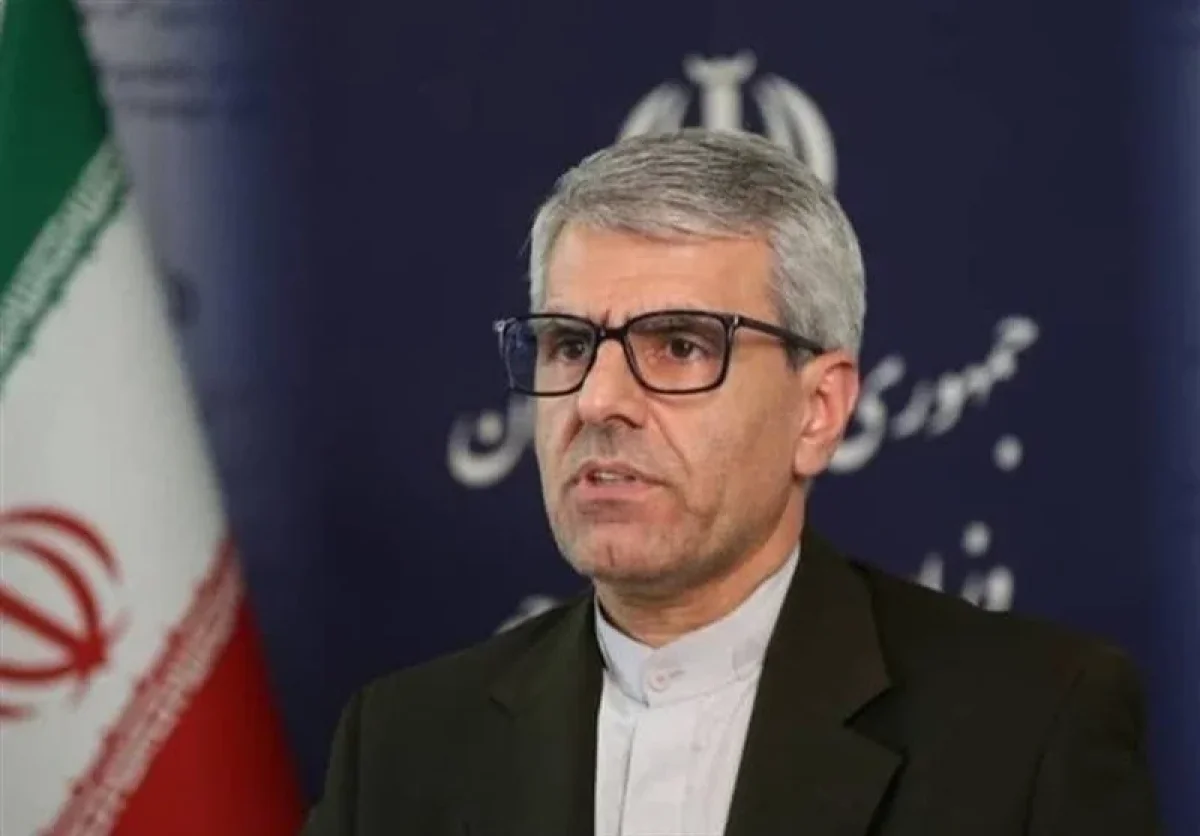
According to Operative Information Center-OMM, citing Interfax, this statement was made by Ali Bagheri, Deputy Secretary of Iran's Supreme National Security Council, while speaking to journalists at an International Security Forum in Russia.
"When it comes specifically to the Strait of Hormuz, there is no doubt that the conditions and rules for passage will not be the same as before; a completely different set of rules will emerge," Bagheri stated. He further emphasized that as coastal states, Iran and Oman are actively negotiating to define this new operational mechanism.
The Strait of Hormuz is one of the world's most critical maritime chokepoints, serving as the primary route for a significant portion of global oil and liquefied natural gas (LNG) exports. Any changes to the regulatory environment or security protocols in this region are closely monitored by international markets, as disruptions or policy shifts can have immediate impacts on global energy prices and maritime security.