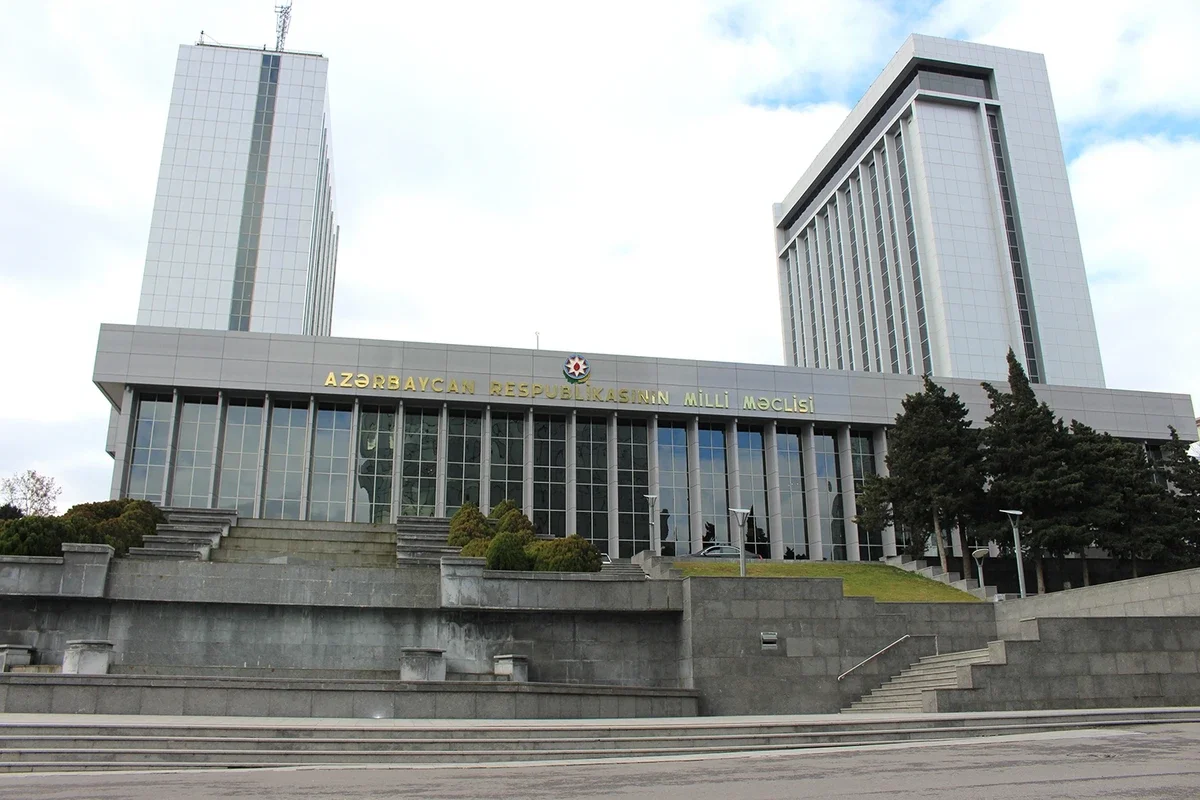
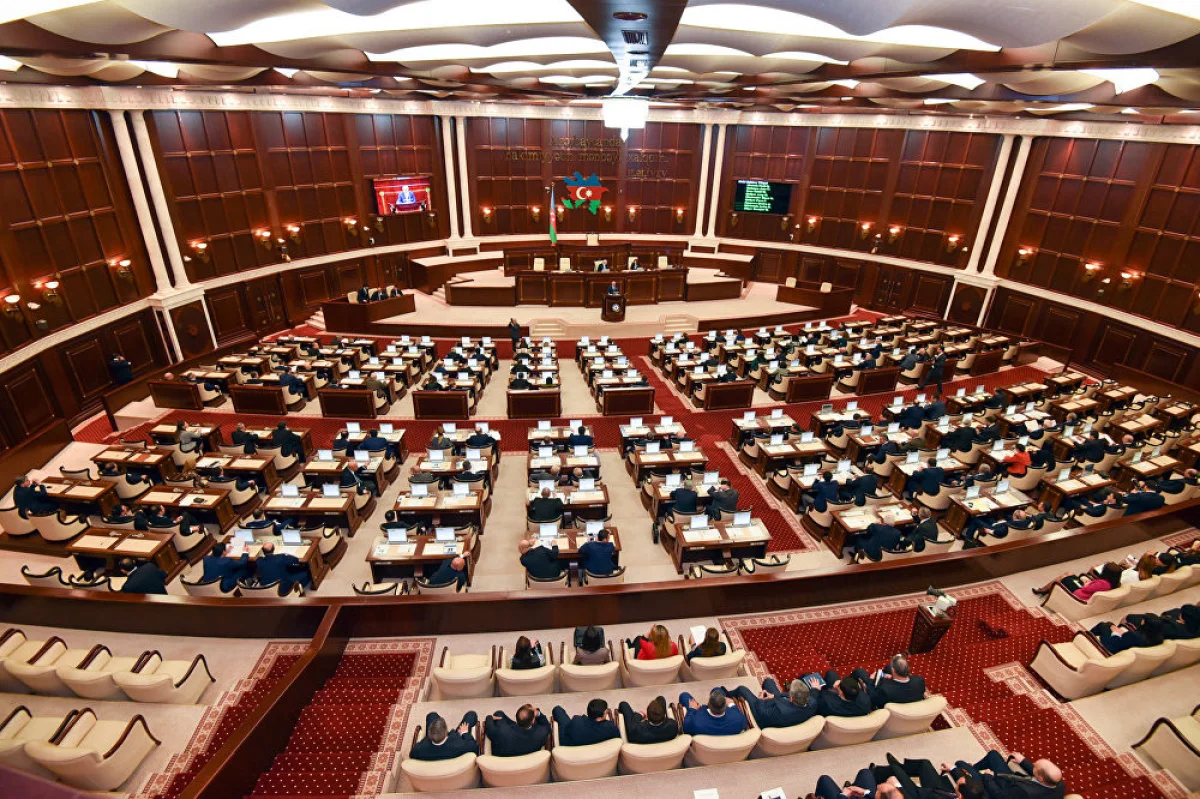
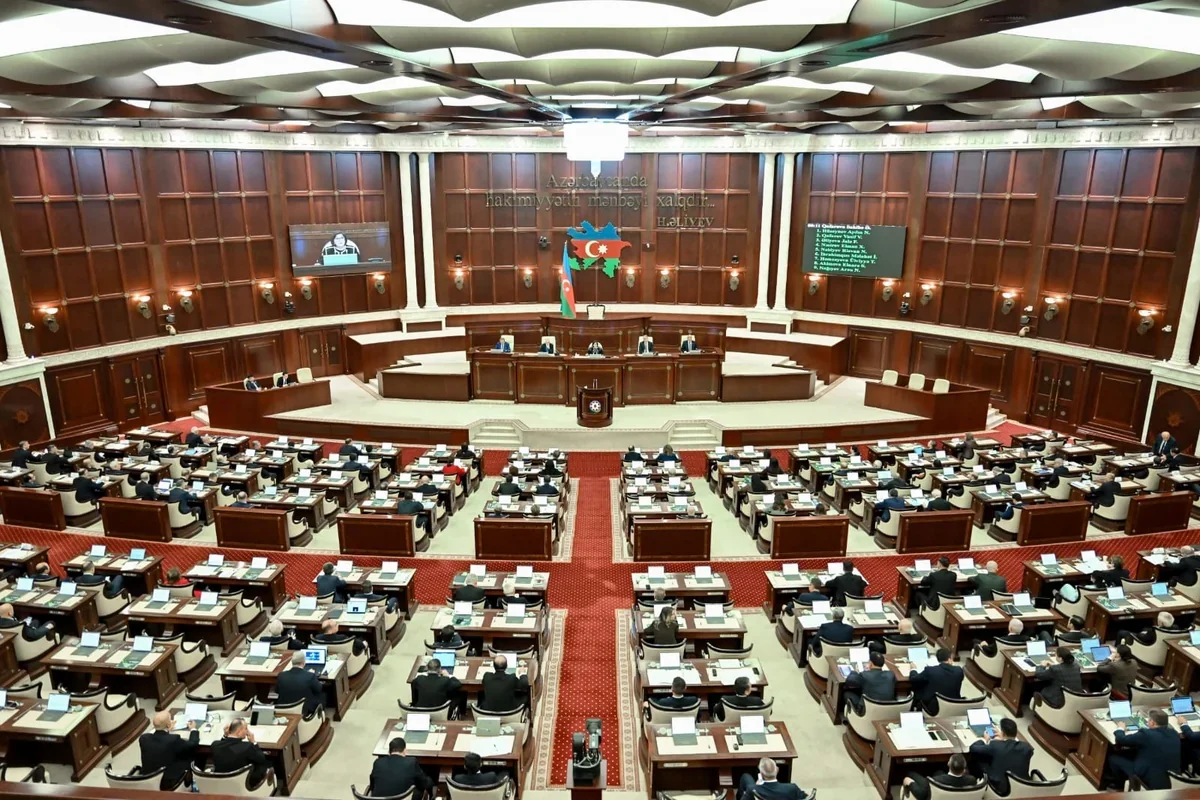
The Milli Majlis (National Assembly) of Azerbaijan has adopted a bill on amendments to the Customs Code in the third reading during its plenary session today.
According to the "Operative Information Center-OMM", the legislation significantly expands the powers and functions of the State Customs Committee (SCC).
The amendments aim to harmonize the Customs Code with various national laws, including the Constitutional Law "On Normative Legal Acts," as well as laws on "Licenses and Permits," "Regulation of Inspections in the Entrepreneurial Sphere and Protection of Entrepreneurs' Interests," "Personal Data," "Administrative Proceedings," "Automotive Transport," and "Food Safety." This alignment ensures that requirements from these legislative acts are integrated into customs operations.
A key provision grants customs authorities the power to petition courts to temporarily restrict the exit of individuals or heads of legal entities involved in foreign trade if they fail to pay customs debts. Conversely, customs authorities are also empowered to lift these restrictions once the underlying grounds are resolved. This mechanism mirrors existing provisions within the Tax Code for tax authorities, aiming to streamline enforcement.
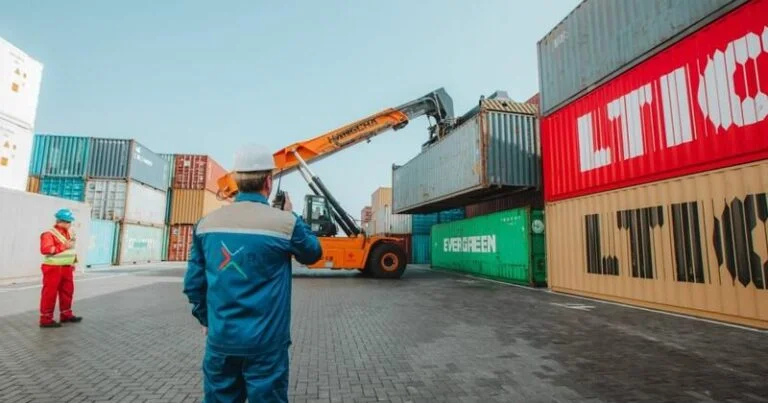
Furthermore, the legislation facilitates the exchange of information regarding the import and export of goods with other nations, extending this cooperation to include transit goods. This is expected to accelerate the transit of cargo through the territory of Azerbaijan.
The bill also mandates that customs authorities provide individuals or entities with the results of mobile customs audits and relevant decisions within three working days. This requirement enhances transparency and accountability, ensuring that administrative actions are well-founded and providing citizens with better legal recourse.
In a move to institutionalize customs representation, the term "customs broker" is being replaced by "indirect customs representative." Unlike the previous licensing system for brokers, becoming an "indirect customs representative" will now require registration in a designated registry, which will be published on the customs authority's website. This change is designed to foster a more competitive and professional service environment.
The adoption of this bill is expected to play a crucial role in applying modern tariff and non-tariff regulations, increasing the efficiency of transit corridors, reducing delivery times, and further automating risk management systems. Ultimately, these measures are intended to strengthen Azerbaijan's economic and national security while fostering a more transparent and flexible customs environment for international trade.