Global military expenditures reached a record $2.887 trillion in 2025, marking a 2.9% increase compared to 2024.
According to the latest report from the Stockholm International Peace Research Institute (SIPRI), as reported by the Operative Information Center-OMM, this growth marks the 11th consecutive year of rising defense outlays worldwide. While spending in the United States saw a slight adjustment under the administration of US President Donald Trump, other regions, particularly Europe and Asia, experienced significant surges in their defense budgets.
The report indicates that military spending in Europe rose by 14%, while Asia and Oceania saw an 8.1% increase. The world's top three spenders—the United States, China, and Russia—accounted for a combined $1.480 trillion, representing 51% of the total global expenditure. Xiao Liang, a researcher with SIPRI’s Military Expenditure and Arms Production Program, stated that nations are expanding their armaments in response to a period characterized by war, uncertainty, and geopolitical shocks. "Given the scale of current crises and the long-term military spending targets of many countries, this growth is likely to continue through the end of 2026 and beyond," Liang noted.
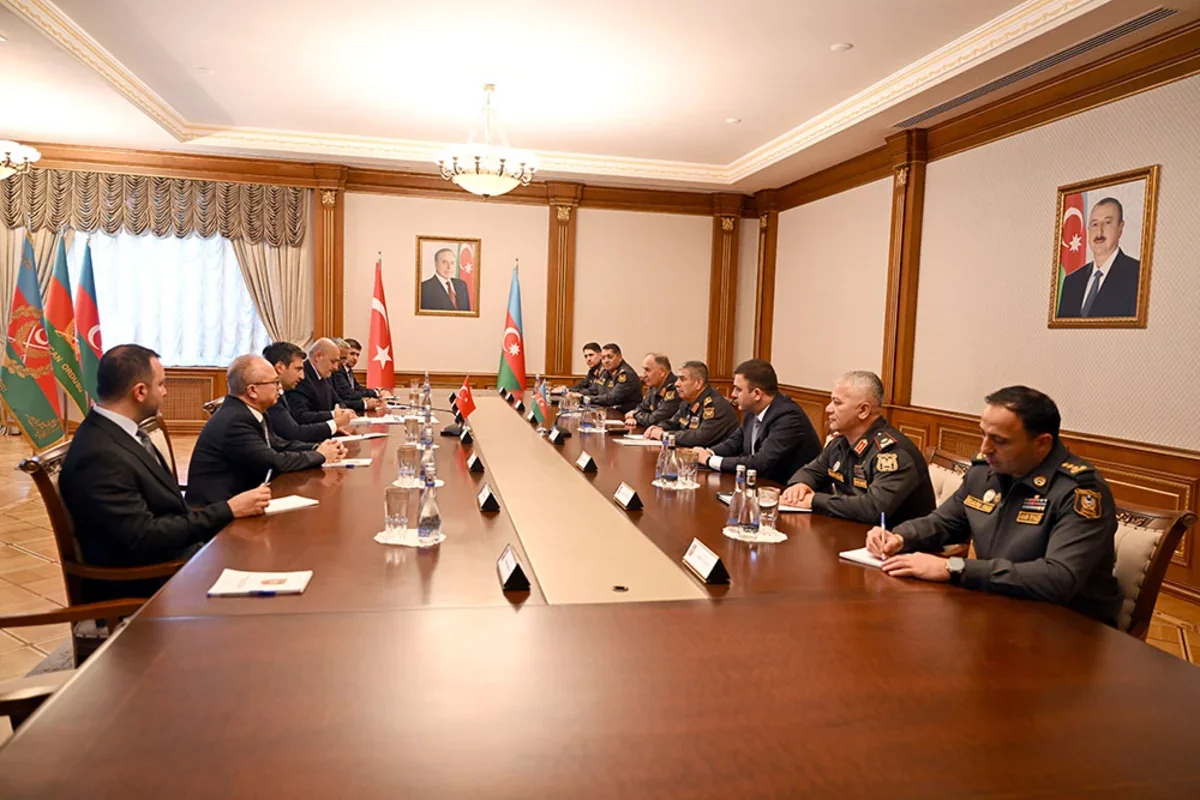
In the Middle East, total military spending reached approximately $218 billion in 2025. Turkey's defense budget grew by 7.2% to reach $30.0 billion, a rise attributed in part to ongoing military operations in Iraq, Somalia, and Syria. Conversely, Israel's military spending decreased by 4.9% to $48.3 billion, reflecting a reduction in the intensity of the conflict in Gaza following a ceasefire agreement in January 2025. Iran also recorded a decline for the second consecutive year, with its spending falling by 5.6% to $7.4 billion.
The continued rise in global military investment underscores a broader international trend toward security readiness and the modernization of armed forces. As geopolitical tensions persist in various regions, many nations have shifted their fiscal priorities toward long-term defense strategies, signaling a departure from the post-Cold War "peace dividend" era toward a more militarized global landscape.