The European Commission has officially introduced its 21st package of sanctions against Russia.
According to the Operative Information Center-OMM, citing international media reports, the new measures aim to further restrict Russia's economic capabilities amid the ongoing conflict.
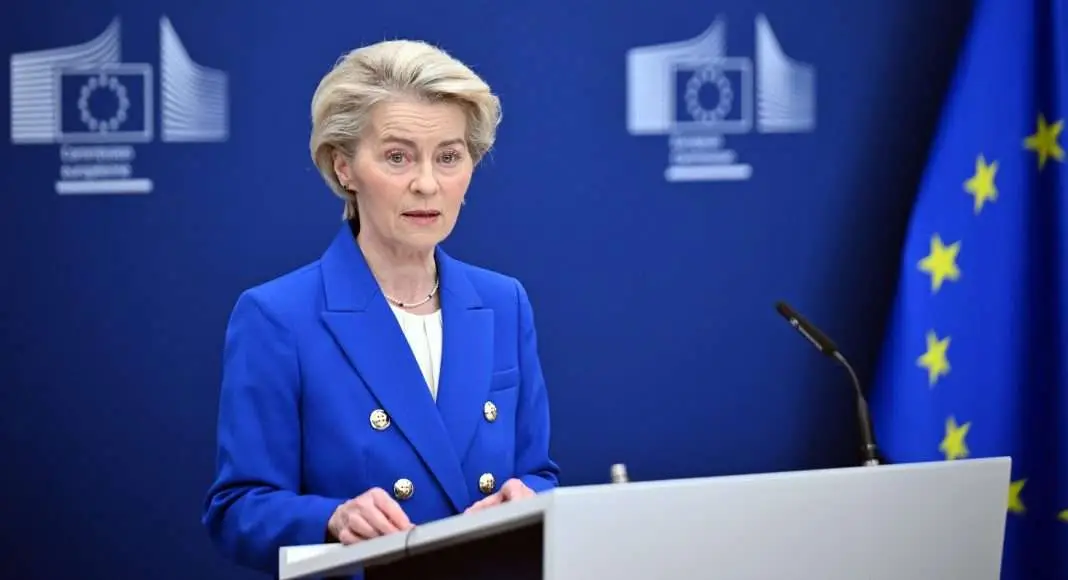
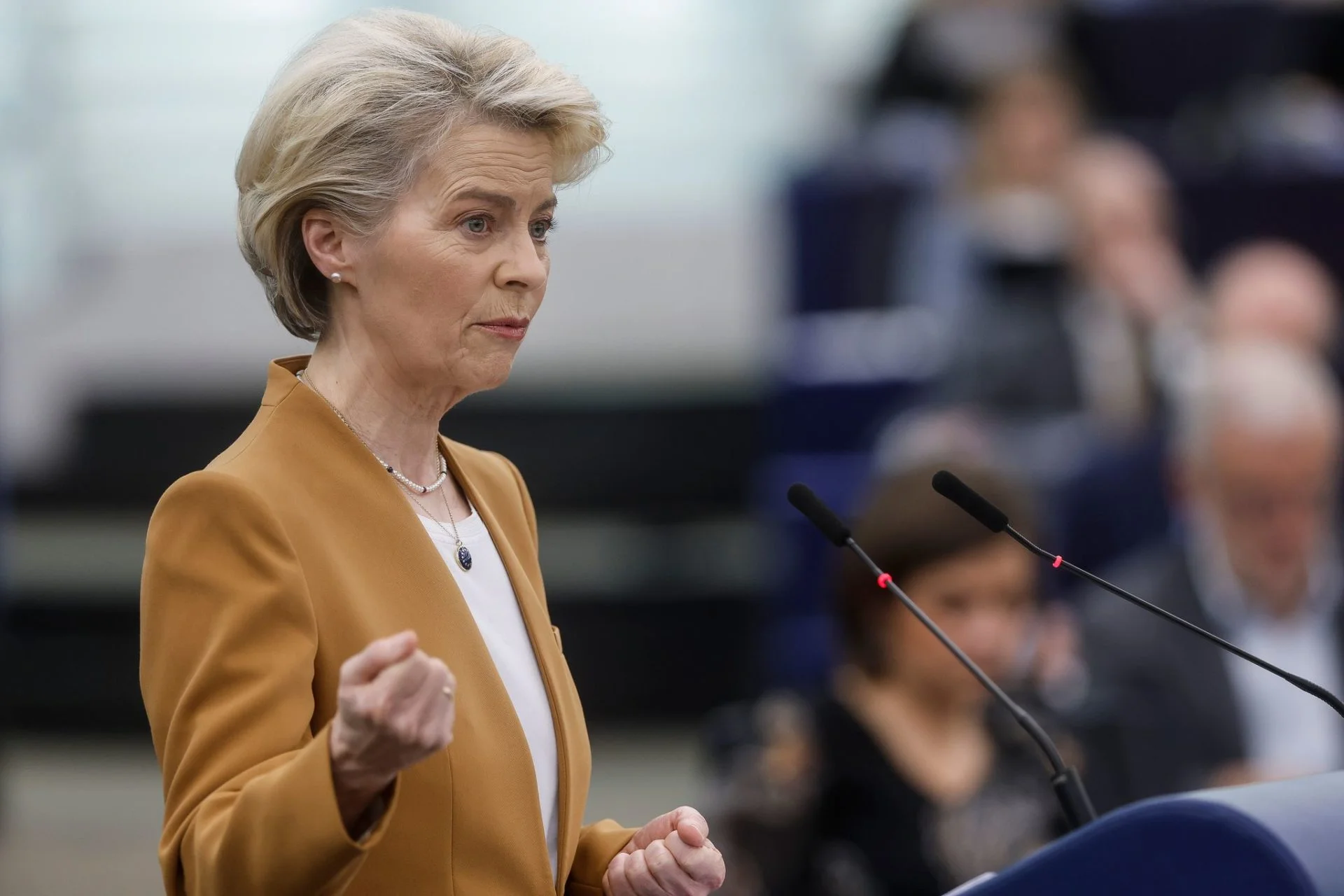
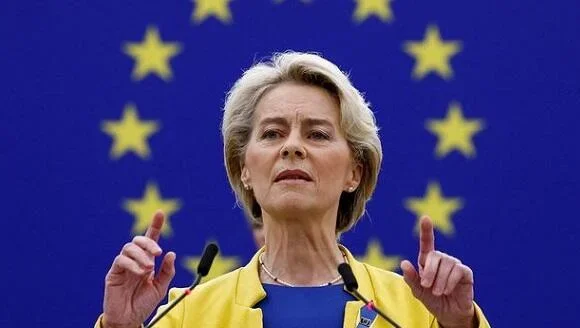
European Commission President Ursula von der Leyen stated that the new restrictions will primarily target key sectors, including energy, financial services, cryptocurrency, and trade. Notably, this package marks the first time the fishing sector has been included in EU sanctions against Russia. Furthermore, the proposal includes a ban on the entry of former Russian military personnel into the European Union.
“We will focus on the most impactful sectors: energy, financial services, cryptocurrencies, trade, and for the first time, the fishing sector. We will also prohibit the entry of former Russian combatants into the European Union,” von der Leyen said.
According to the Commission, the sanctions will extend to 31 additional financial institutions, restricting their ability to conduct international operations. The package also targets 20 banks, cryptocurrency companies and platforms, as well as oil brokers operating in third countries. Additionally, the European Commission has proposed further bans on the export of metals and alloys used in Russia's aerospace and defense industries, alongside new restrictions on the import of various products valued at 60 million euros.
Following approval by the European Commission, the 21st sanctions package will be submitted to the Council of the EU for review. For the sanctions to enter into force, the unanimous consent of all 27 EU member states is required.
The European Union has been progressively tightening its sanctions regime against Russia since February 2022, aiming to diminish the Kremlin's capacity to finance its military operations. Each successive package requires complex negotiations among member states to balance economic impact with geopolitical objectives.