Afət Ziyadqızı

Discussions regarding the future of the European Union's (EU) foreign policy service have intensified, with a growing number of officials advocating for the dissolution of the body currently led by Kaja Kallas.
According to the Operative Information Center-OMM, citing a report by Politico, an influential group within both the European Council and the European Commission has emerged, calling for the abolition of the EU's foreign policy apparatus. Sources indicate that support for maintaining the current structure of the service is steadily declining.
Reports suggest that several functions currently performed by the foreign policy service are being gradually transferred to the jurisdiction of the European Commission. This administrative shift has further fueled debates regarding the long-term viability of the existing diplomatic framework.
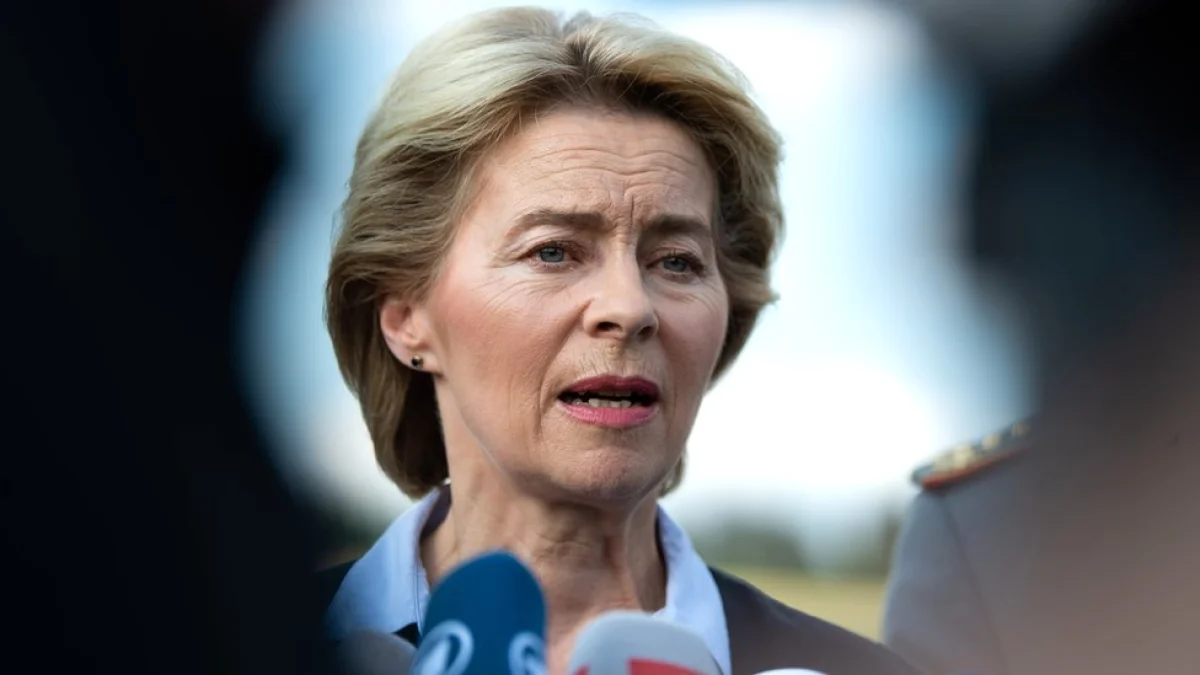
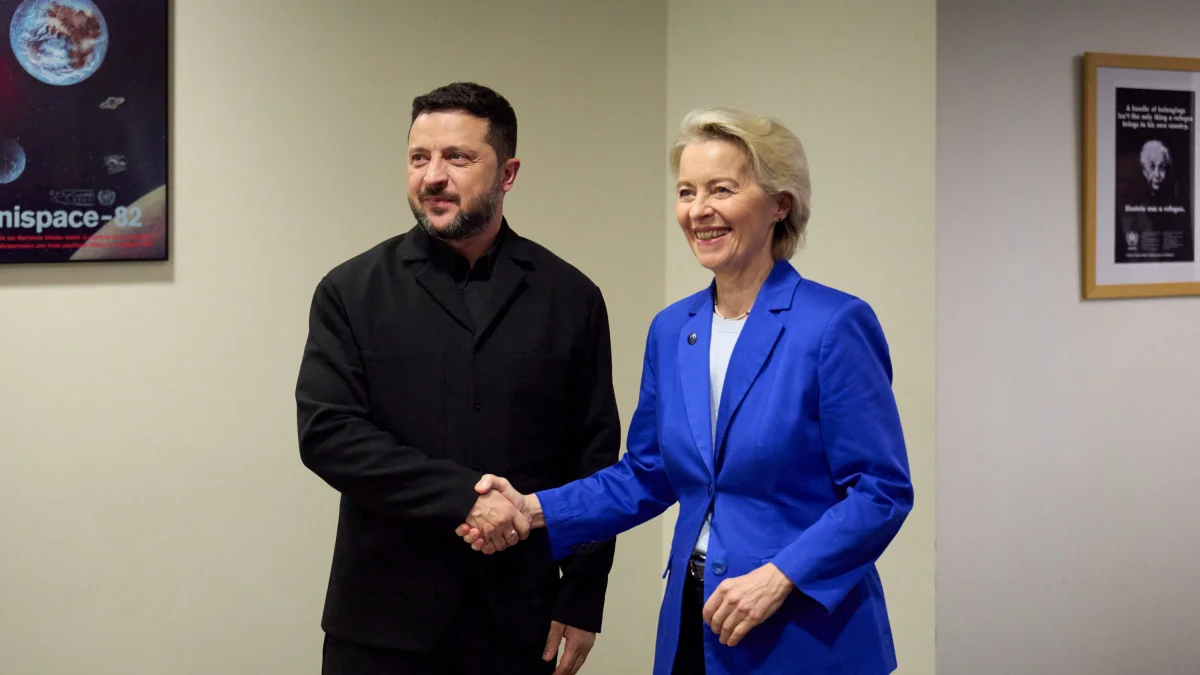
Simultaneously, tensions have reportedly surfaced between European Commission President Ursula von der Leyen and the EU High Representative for Foreign Affairs and Security Policy, Kaja Kallas. Observers note that Kallas has accused von der Leyen of authoritarian management, a claim that has exacerbated friction between the two leaders.
Furthermore, the British newspaper The Telegraph has reported that Kaja Kallas is currently facing the risk of political isolation. According to the publication, the EU's foreign policy chief has thus far struggled to secure sufficient financial support from member states to implement her proposed initiatives.
The European External Action Service (EEAS) serves as the EU's diplomatic service, established in 2011 to support the High Representative in conducting the bloc's Common Foreign and Security Policy. The current debate highlights broader institutional questions within Brussels regarding the efficiency and centralization of foreign policy decision-making processes among member states.