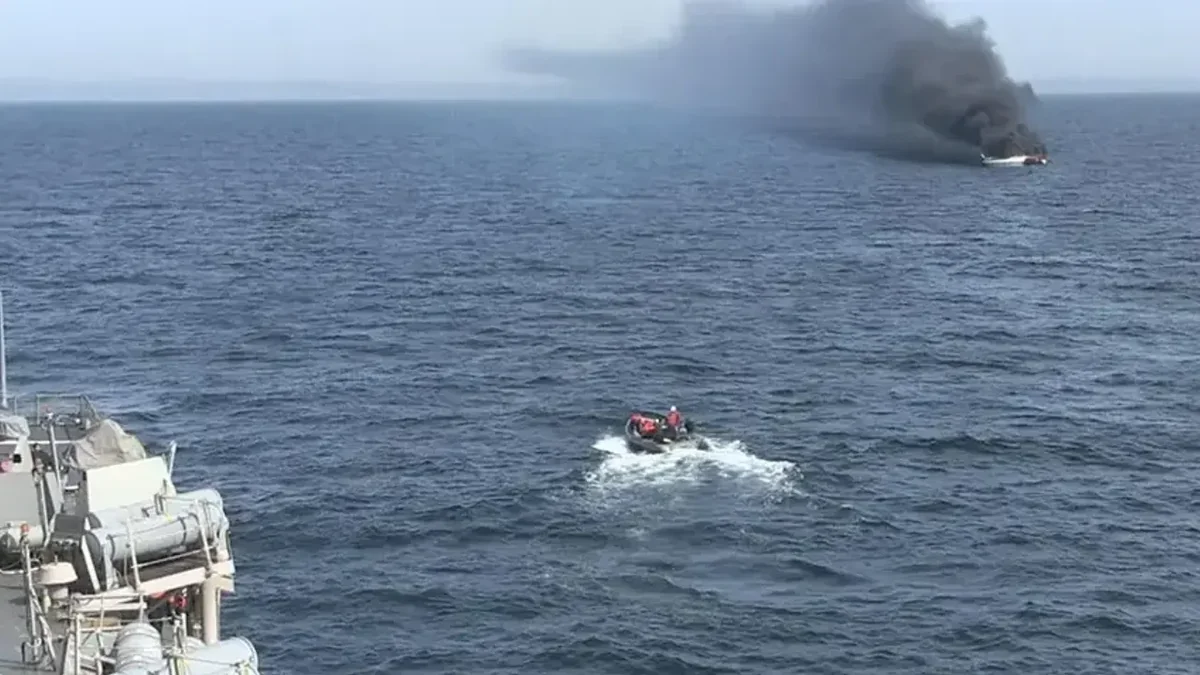
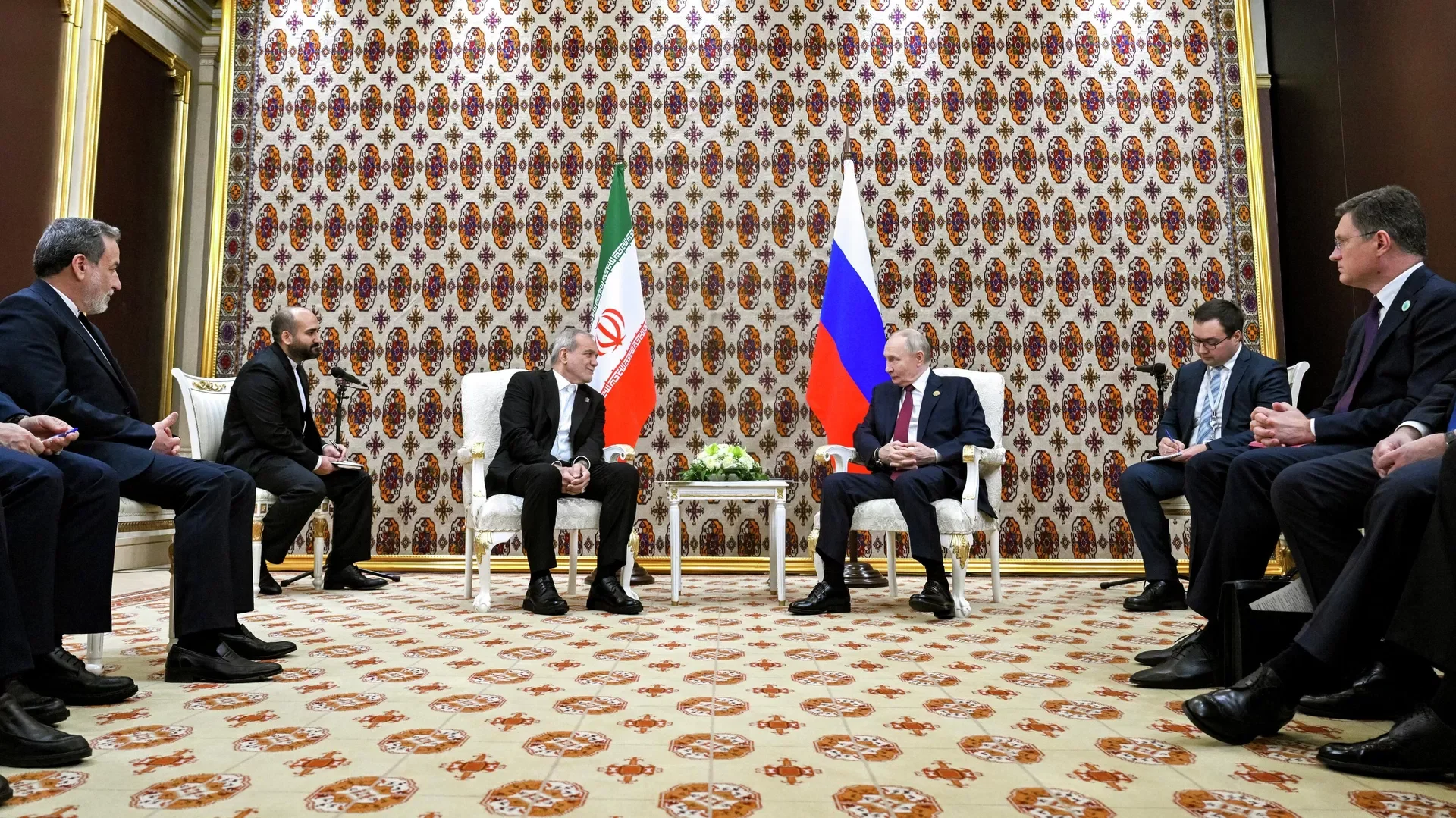
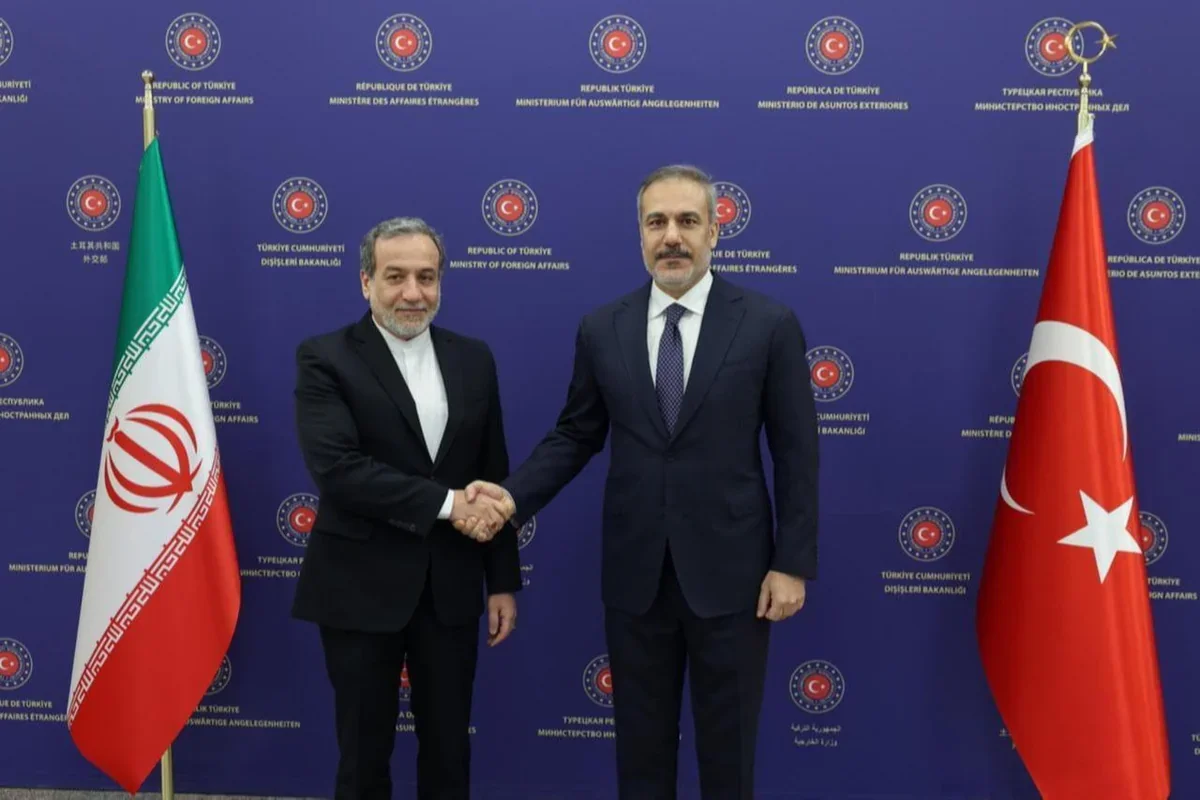
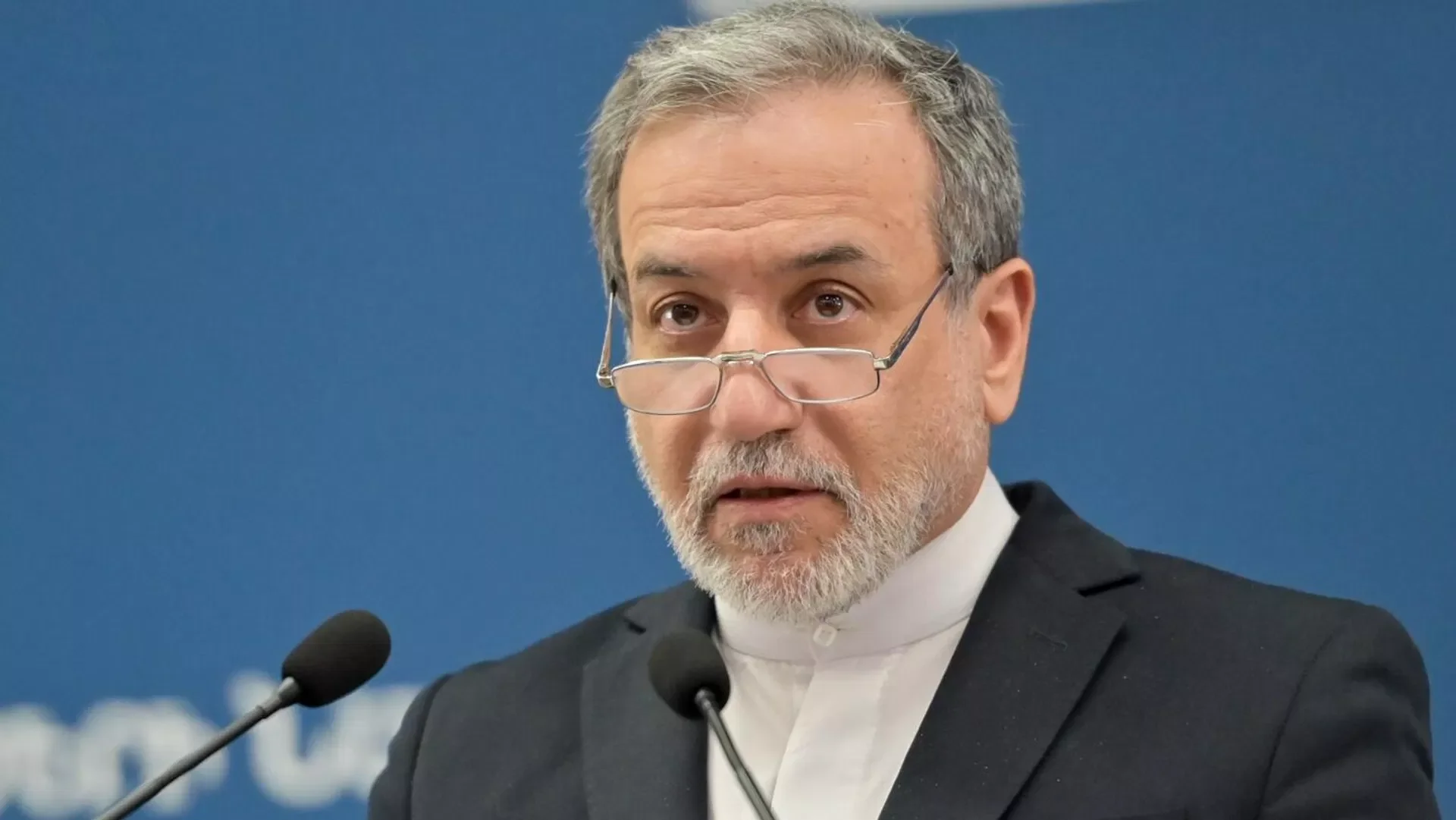
Iranian Foreign Minister Abbas Araghchi has announced that the Strait of Hormuz will remain open for the duration of the current ceasefire between the United States and Iran. According to the Operative Information Center-OMM, Araghchi shared the update via his official account on X (formerly Twitter), stating that maritime traffic is being restored in the strategic waterway.
"The passage of all commercial vessels through the Strait of Hormuz is declared fully open for the remainder of the ceasefire period, following the coordinated routes previously announced by Iran's Ports and Maritime Organization," Araghchi stated. US President Donald Trump responded to the development on the Truth Social platform, expressing his approval of the move. "Iran has just announced that the Strait of Hormuz is fully open and ready for complete passage. Thank you!" US President Donald Trump wrote.
The reopening follows a period of intense regional instability that began on February 28, when the United States and Israel launched military operations involving airstrikes against several Iranian cities. The conflict saw the death of Iran's Supreme Leader Ali Khamenei, prompting retaliatory missile strikes from Iran against Israeli territory and US military installations in the Persian Gulf. While a two-week ceasefire was brokered to last until April 8, 2026, subsequent negotiations in Islamabad mediated by Pakistan ended without a long-term agreement. Despite recent conflicting reports regarding naval blockades by the US Central Command (CENTCOM), the latest statements suggest a temporary de-escalation to facilitate international trade and maintain diplomatic channels with global partners such as China.
The Strait of Hormuz is one of the world's most vital maritime chokepoints, situated between the Persian Gulf and the Gulf of Oman. It serves as the primary artery for global energy supplies, with approximately one-fifth of the world's total oil consumption passing through the strait daily. Given its strategic importance, any disruption to navigation in these waters typically triggers significant fluctuations in global energy markets and impacts international maritime security protocols.