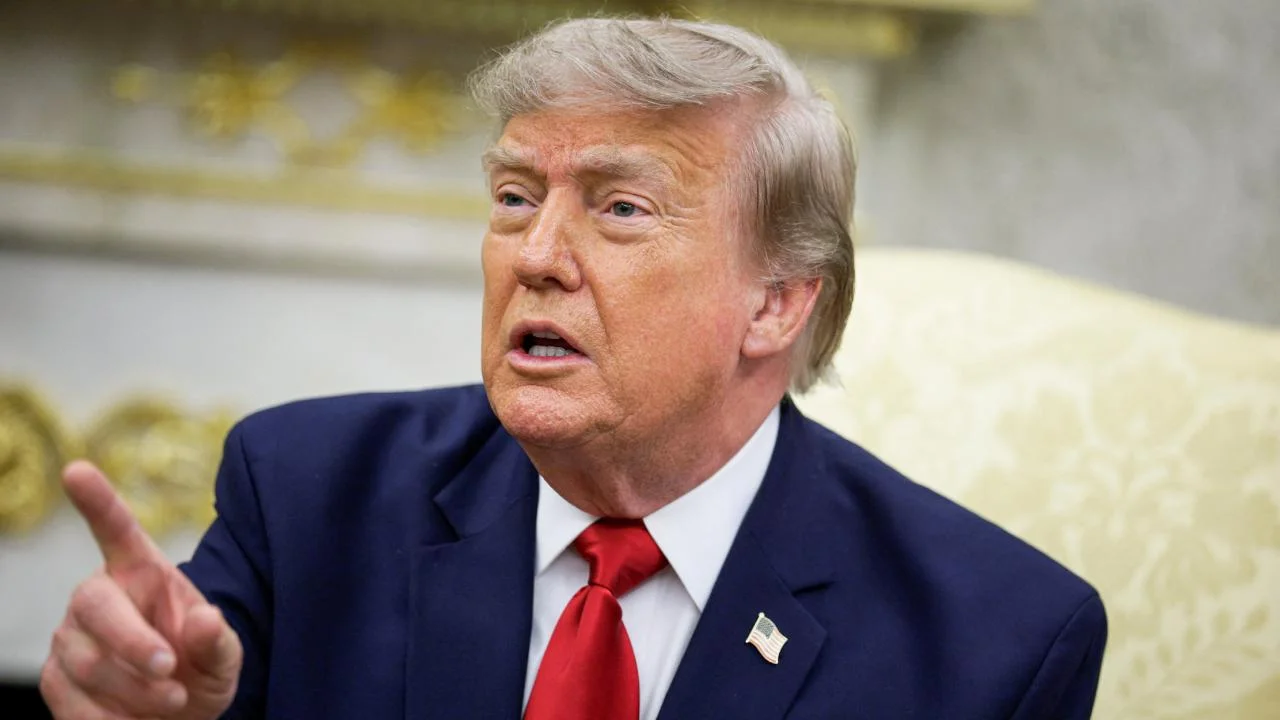
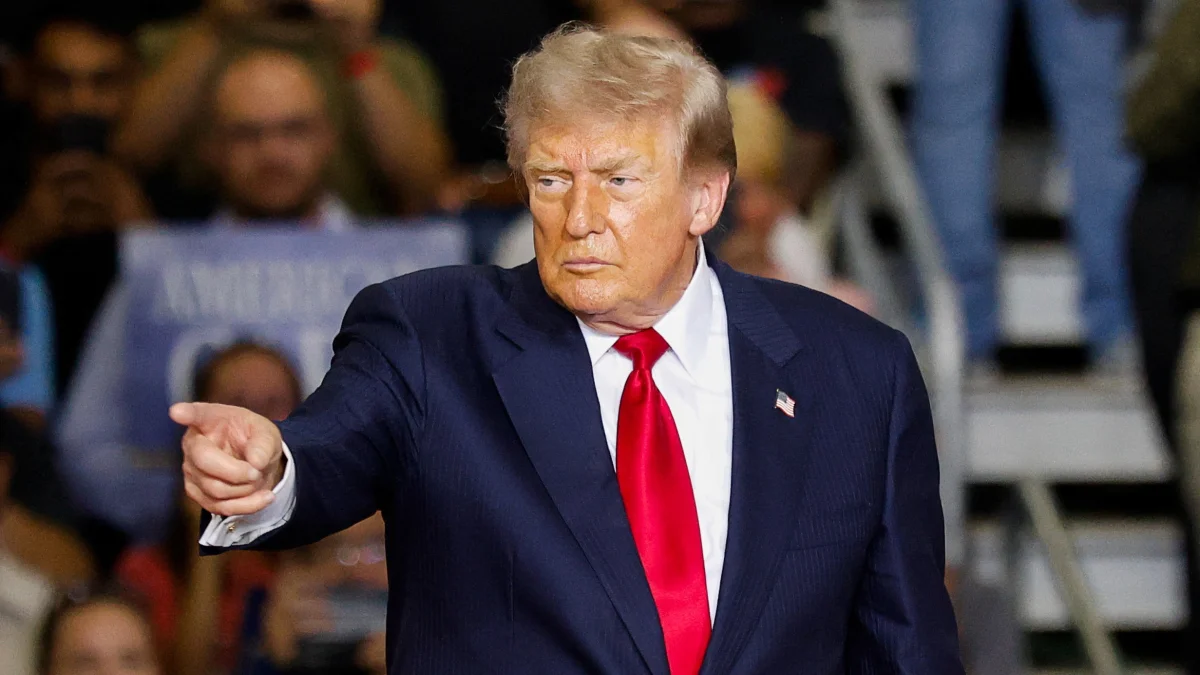
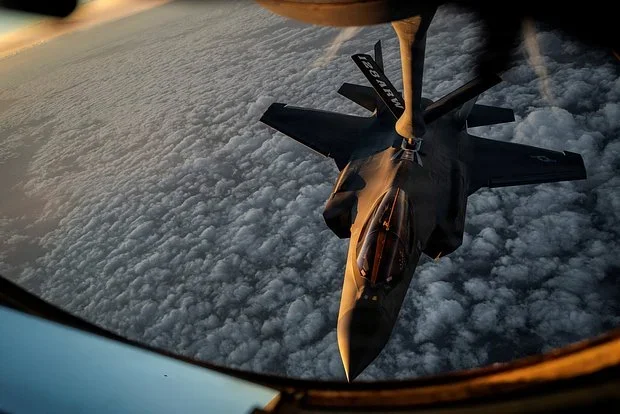
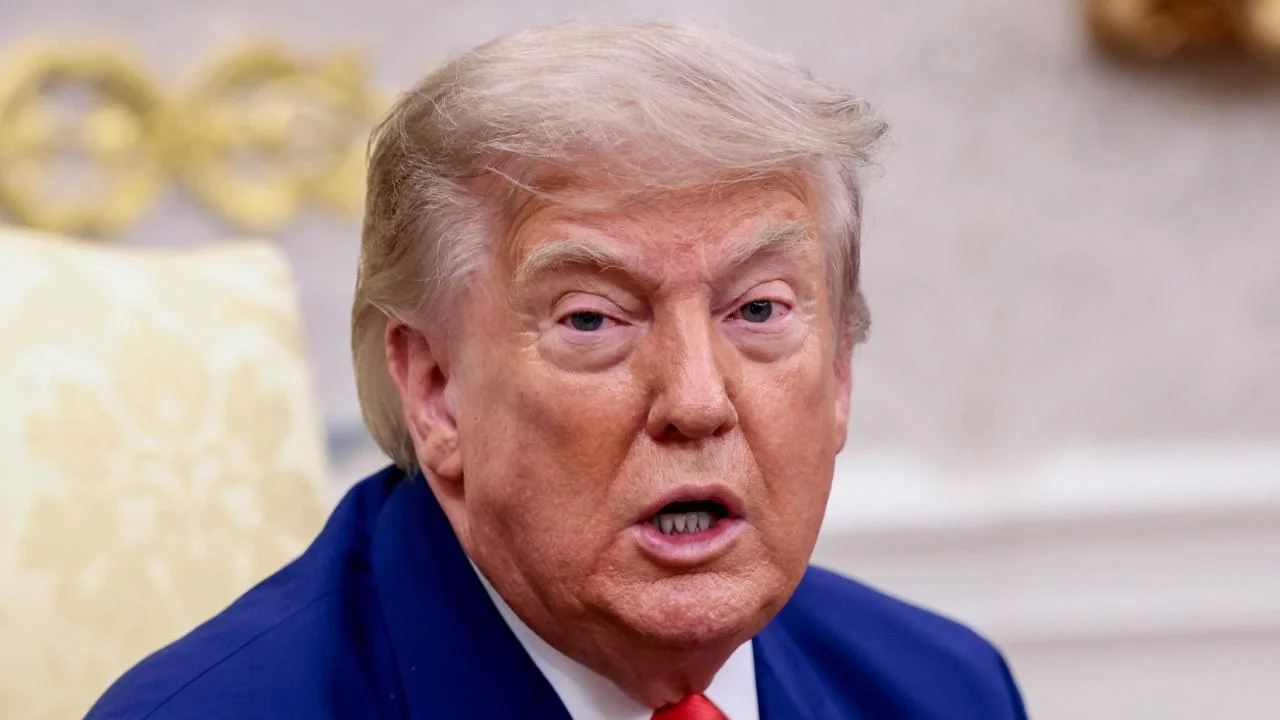
US President Donald Trump announced late last week that the United States had been prepared to launch one of the largest military operations since World War II against Iran, but ultimately canceled the plan at the last minute in favor of pursuing new negotiations.
According to the Operative Information Center-OMM, citing international media reports, President Trump explained that he chose to halt the operation after receiving requests to reconsider. "We were prepared for the biggest attack since World War II. But they called me and said: 'Please, don't do it. Let's talk,'" Trump stated.
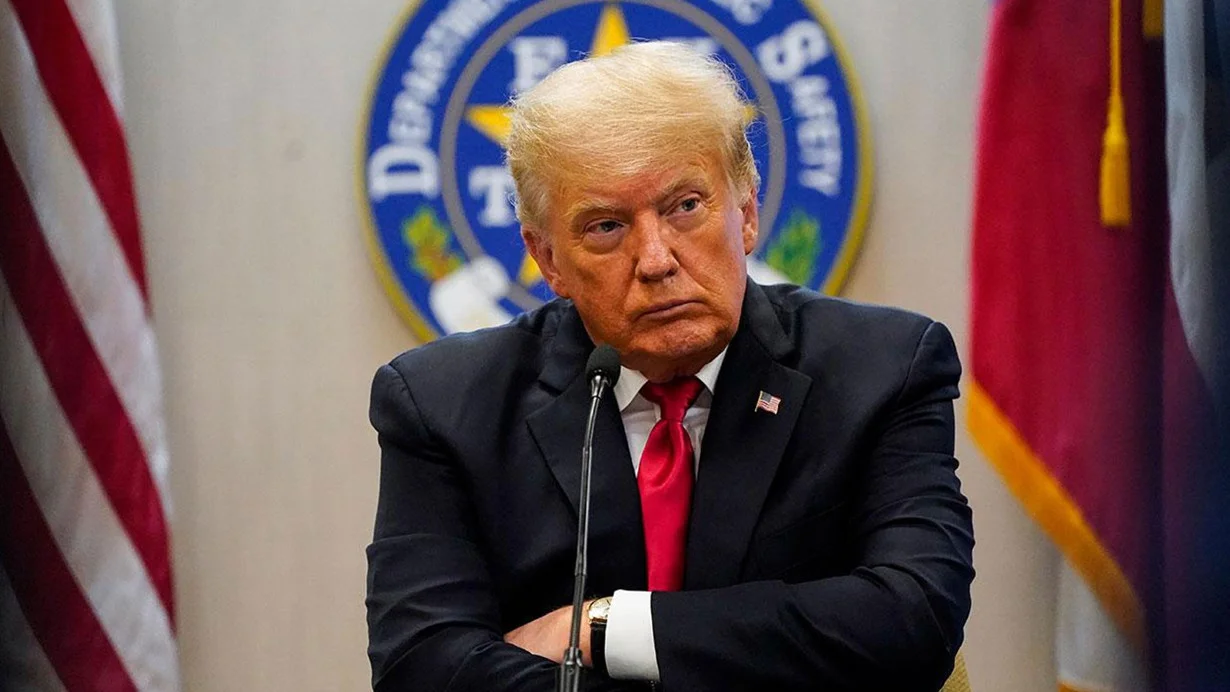
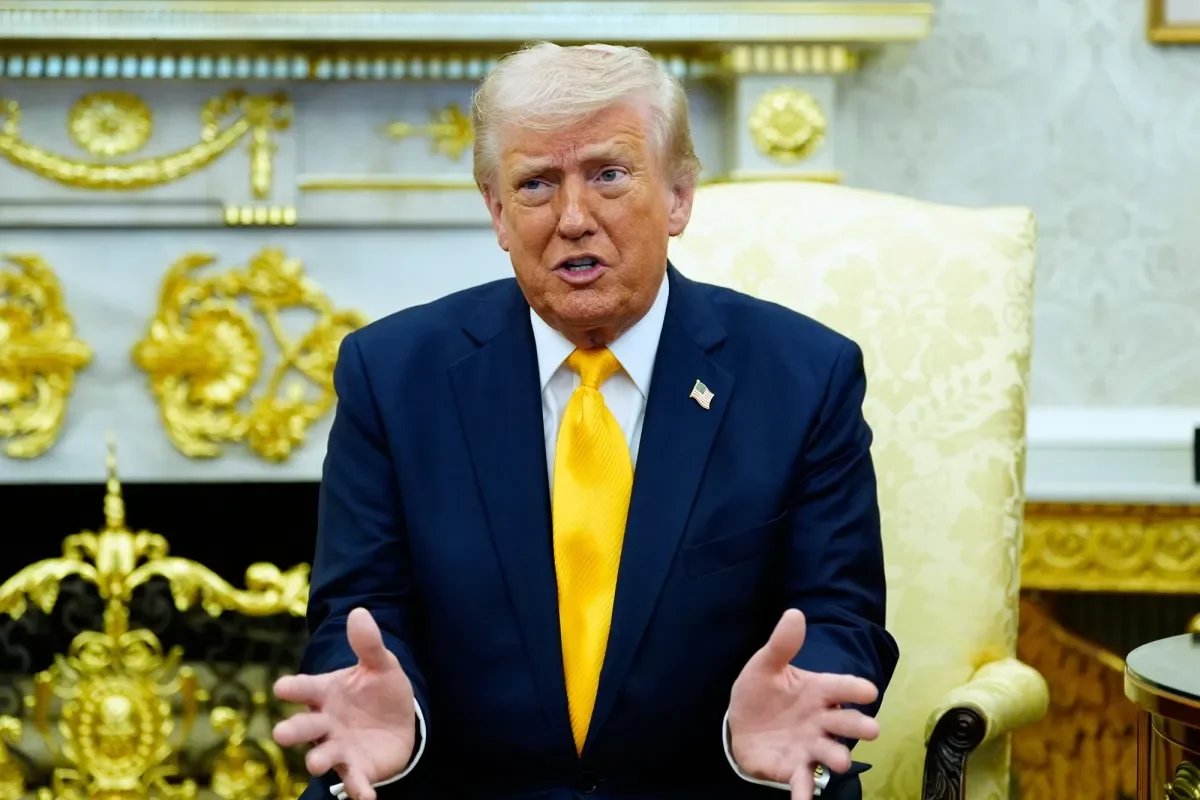
The US President emphasized his preference for a diplomatic resolution, noting that reaching an agreement is more expedient than initiating new military operations. However, he maintained that the core position of Washington remains unchanged. "I prefer to reach an agreement because I do not want people to die. But Iran cannot be allowed to possess nuclear weapons," Trump added. He further predicted that resolving the crisis surrounding Iran would lead to a sharp decline in oil and gasoline prices, suggesting that a potential deal would also yield positive results for American consumers.
Tensions between Washington and Tehran have historically fluctuated, largely centered on Iran's nuclear program and its regional influence. The United States has consistently maintained that preventing nuclear proliferation in the Middle East is a top national security priority, often utilizing a combination of economic sanctions and diplomatic pressure to influence Iranian policy.