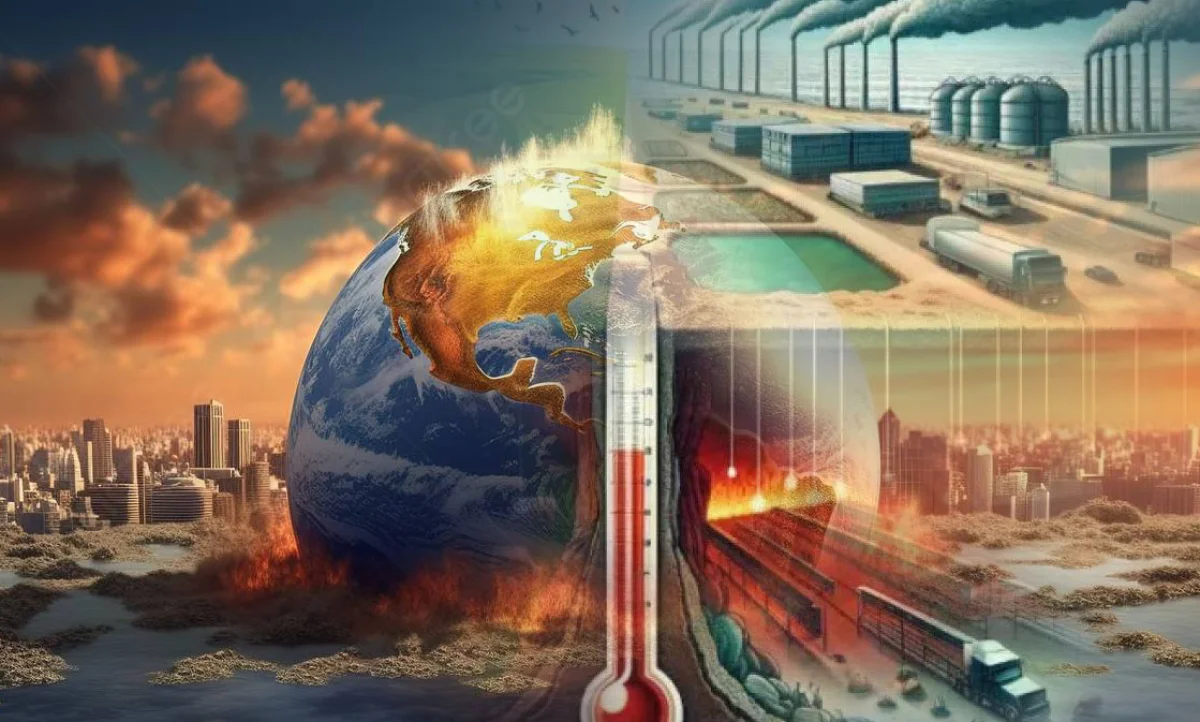
Climate change is emerging as a severe global threat to human health, food and water security, and urban infrastructure. According to the Operative Information Center-OMM, data from the World Health Organization (WHO) indicates that between 2030 and 2050, approximately 250,000 additional deaths per year could occur due to factors such as heat stress, malnutrition, malaria, and diarrhea.
The scale of the crisis was highlighted by extreme heatwaves observed in Europe in late June. According to reports from Reuters, approximately 3,700 additional deaths related to high temperatures were recorded in France, Belgium, and the Netherlands between June 20 and 28. Specifically, France reported 2,025 deaths, Belgium recorded 1,200, and the Netherlands saw nearly 480. Experts warn that the final figures may be even higher.
Long-term heatwaves pose significant risks, particularly to the elderly, infants, individuals with chronic illnesses, and outdoor workers. In urban environments, the retention of heat by concrete and asphalt prevents temperatures from dropping sufficiently during nighttime hours, exacerbating health risks.
The 2025 report by Lancet Countdown indicates that heat-related mortality rates have increased by 23 percent since the 1990s. The trend is also visible in the region; for instance, the General Directorate of Meteorology reported that Tokat, Turkey, experienced five distinct heatwaves in 2025 alone.
Specialists emphasize that rising temperatures are no longer merely temporary weather events but have evolved into a primary factor creating long-term, global-scale threats. This shift necessitates urgent adaptation strategies in urban planning and public health policy to mitigate the impact of escalating climate volatility.