 OMM Redaksiyası

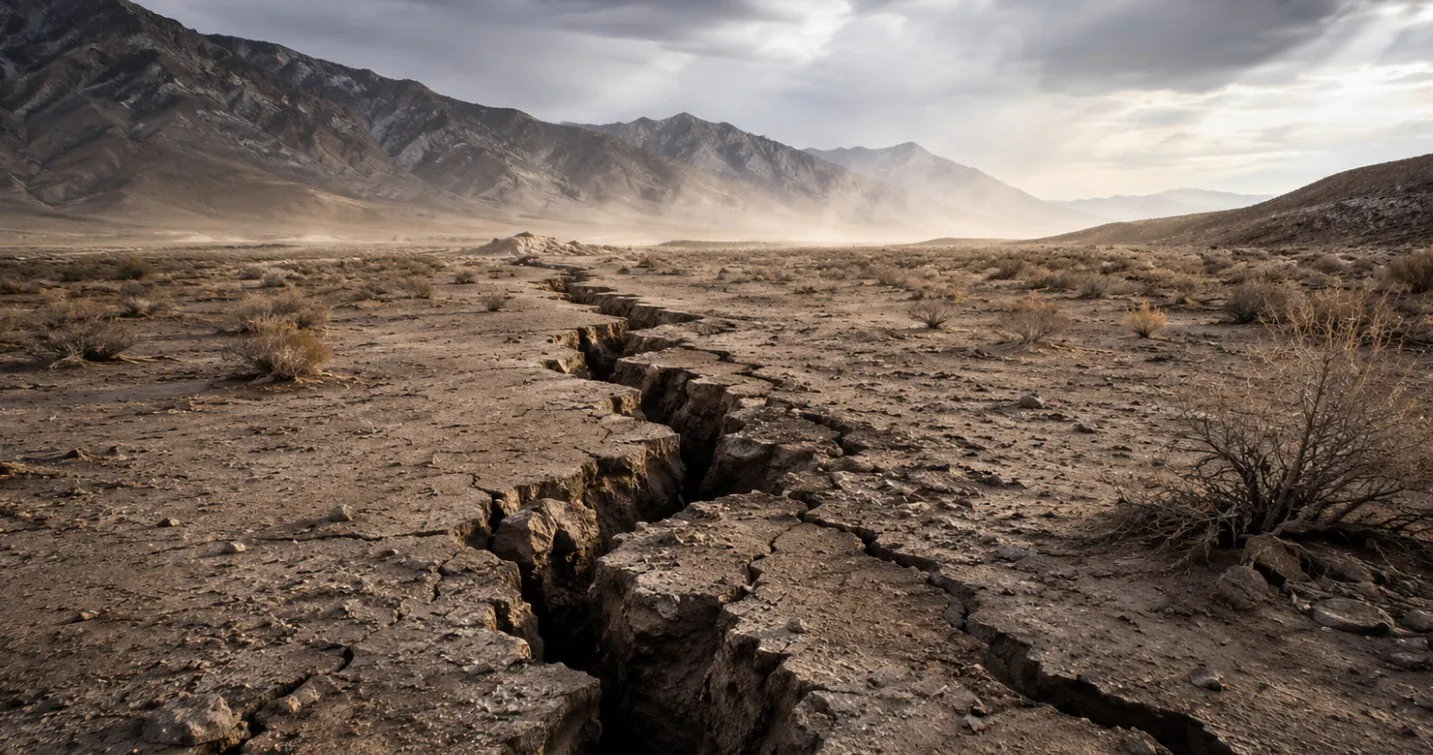
A new computer model developed by researchers from the United States and Europe has revealed that tectonic stress in California's most hazardous earthquake zones has reached an exceptionally high level.
According to the Operative Information Center-OMM, citing international media reports, scientists have determined that stress levels in certain fault segments have reached or exceeded their highest points in the last millennium.
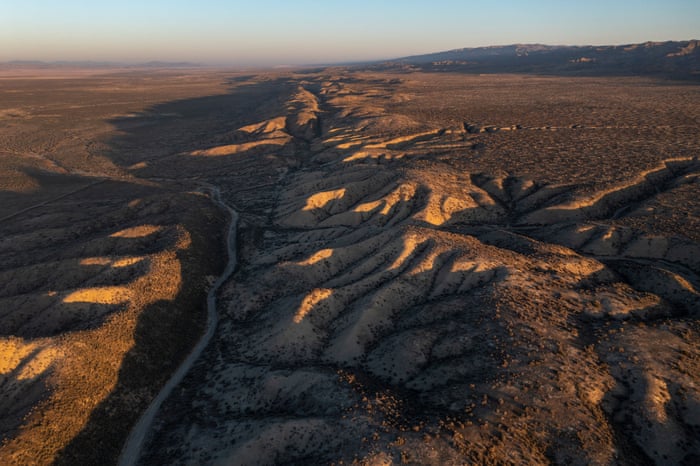
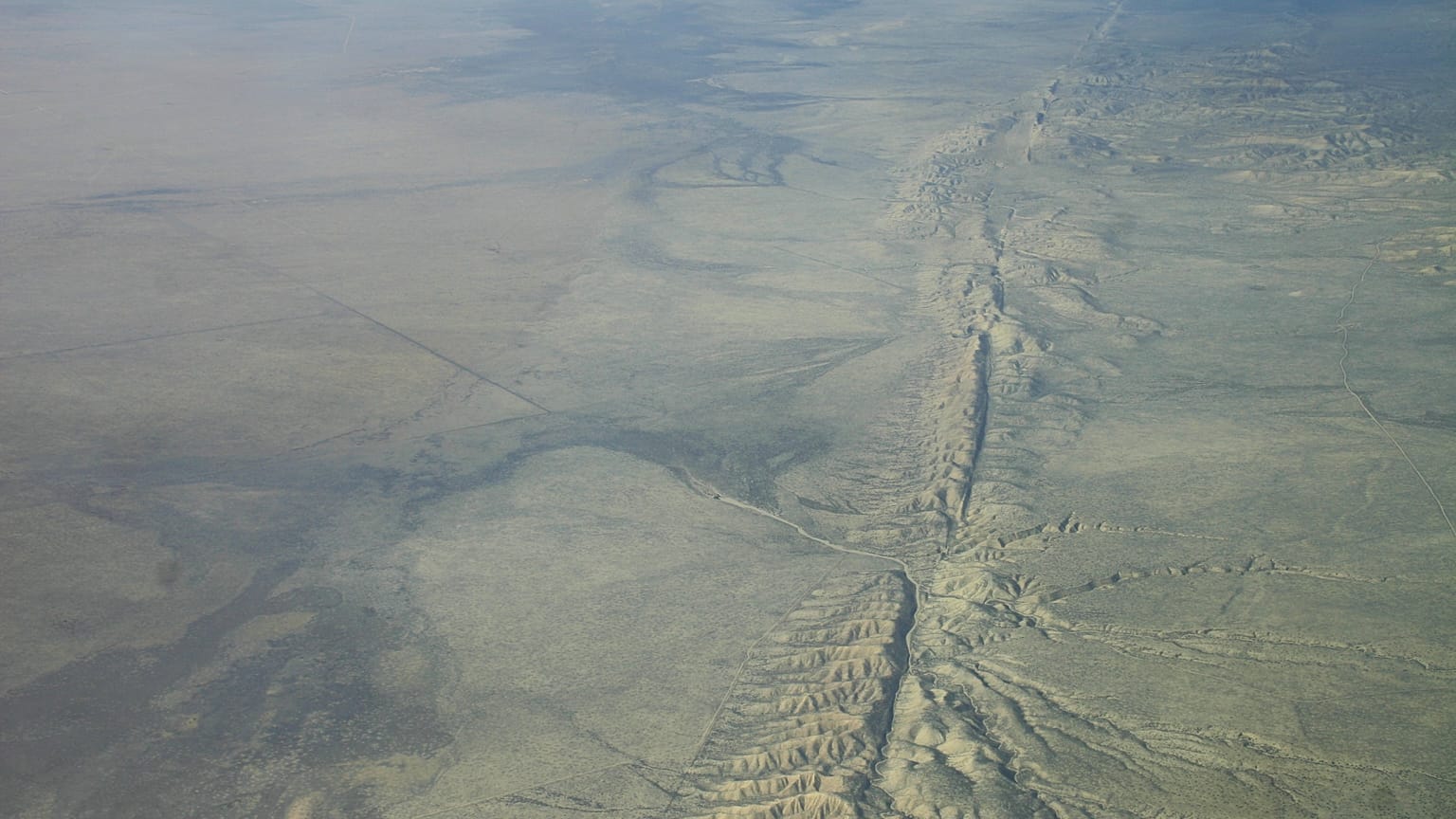
An international research team led by geophysicist Liliane Burkhard from the University of Bern, Switzerland, focused their study on the Cajon Pass region in California, where the San Andreas Fault and the San Jacinto Fault intersect. This strategic location, situated northeast of Los Angeles, is often referred to in the scientific community as an "earthquake gate." By simulating 1,000 years of seismic history, researchers concluded that if this "gate" were to open, both fault lines could rupture simultaneously, potentially triggering complex and large-scale disasters.
The study highlights that the synchronization of stress levels between these fault systems plays a decisive role in the seismic process. Current data indicates that the system is under critical load. Experts note that these two fault systems, which are responsible for approximately 90 percent of tectonic activity in Southern California, have not experienced a major rupture in over 160 years. This prolonged period of seismic quiescence has resulted in the accumulation of 2.8 MPa of stress along the Mojave South segment and 3.6 MPa along the San Bernardino segment.
Researchers expressed concern that a potential rupture could cause severe damage across a vast area, including densely populated regions such as Los Angeles, Ventura, Orange, and San Diego, as well as the Palm Springs metropolitan area and Tijuana. The risk is further compounded by the fact that the intersection point lies directly on a critical transportation corridor housing major highways, railways, and energy infrastructure.
While the researchers emphasize that these findings do not predict an imminent earthquake, they underscore the study's importance for infrastructure planning, risk assessment, and emergency preparedness. The study, grounded in physical laws, provides a more accurate assessment of the threats facing millions of residents and aids in preparing for worst-case scenarios.
The San Andreas Fault is one of the most studied geological features in the world. Stretching approximately 1,200 kilometers through California, it marks the tectonic boundary between the Pacific Plate and the North American Plate. Its historical capacity for generating high-magnitude earthquakes makes it a focal point for ongoing seismic monitoring and disaster mitigation efforts globally.