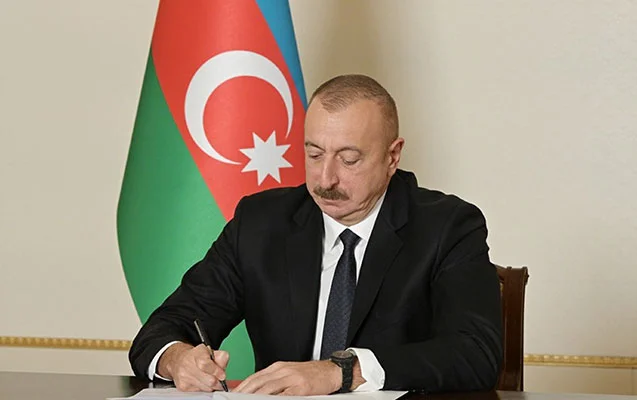
Between 2004 and 2019, the President of Azerbaijan signed 75 decrees and orders aimed at addressing the social challenges faced by internally displaced persons (IDPs), while the Milli Majlis (National Assembly) adopted 11 laws to support this demographic.
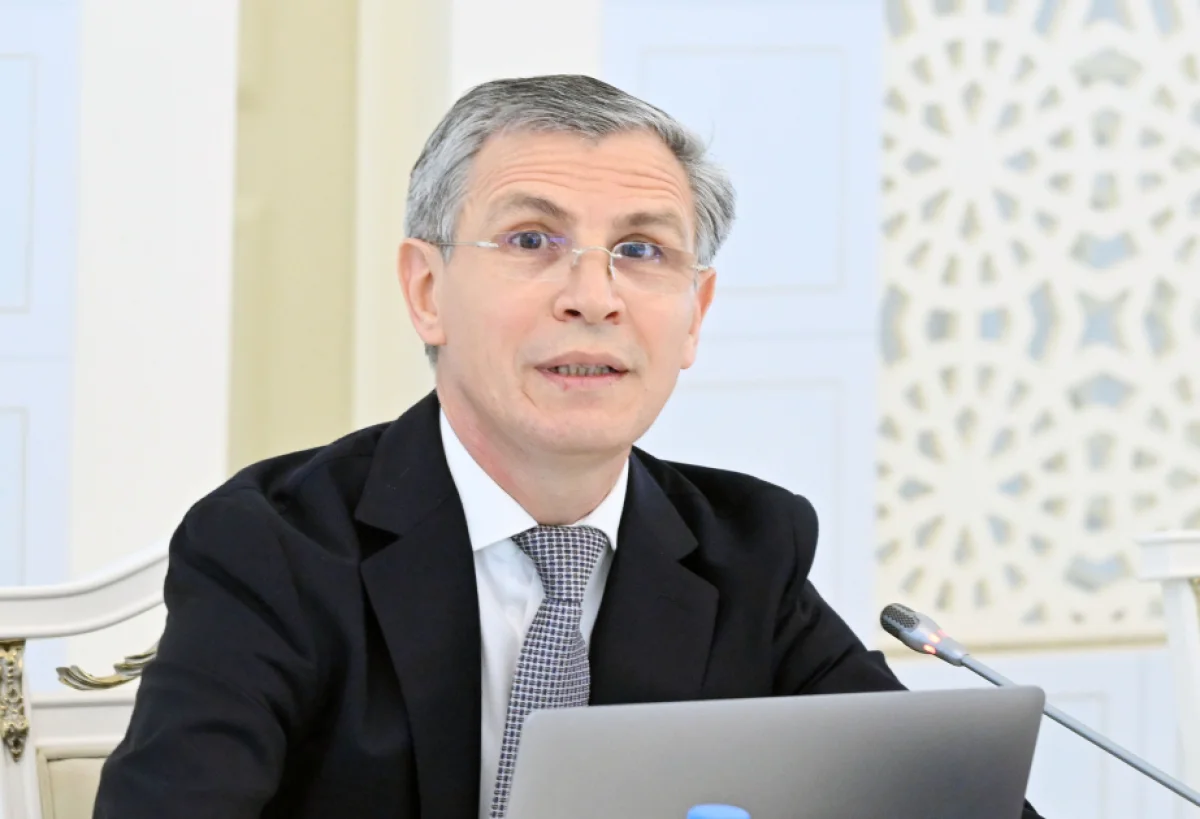
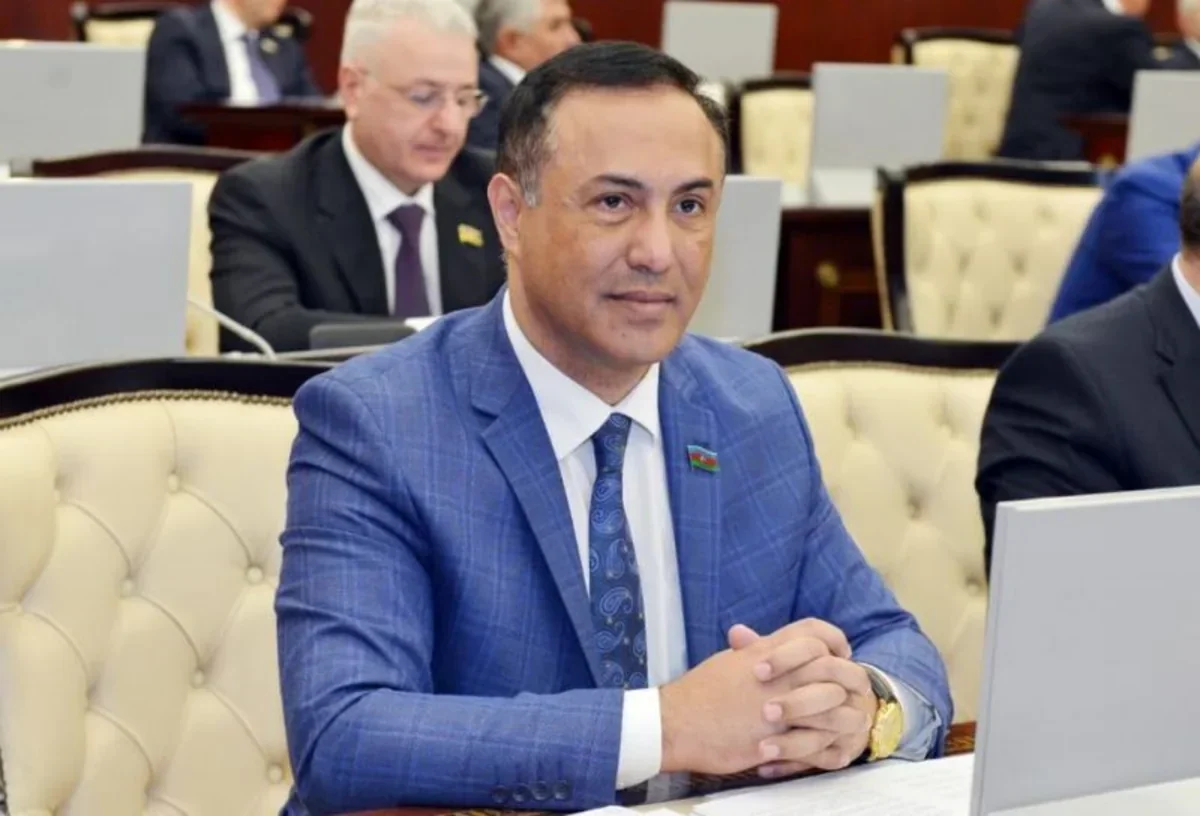
According to "Operative Information Center-OMM", citing AZERTAC, this was announced by Musa Guliyev, Chairman of the Committee on Labor and Social Policy, during a joint meeting of the Milli Majlis committees on Labor and Social Policy, Human Rights, and Legal Policy and State Building.
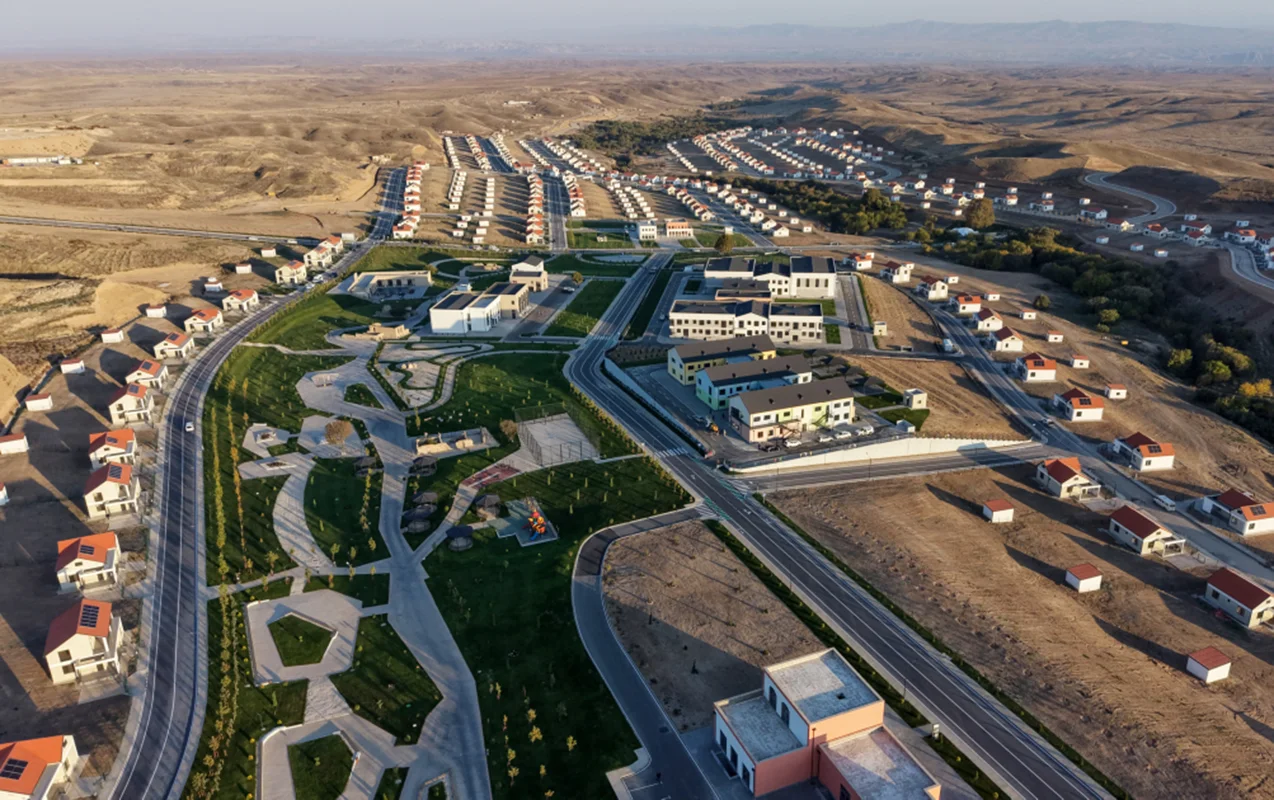
Guliyev noted that during the period when Azerbaijani territories were under occupation, the state prioritized the improvement of living conditions for IDPs, resulting in the construction and commissioning of 121 new settlements and residential complexes consisting of high-rise buildings.
"The housing and living conditions of more than 62,000 IDP families, representing over 300,000 individuals, have been significantly improved. For many years, the state has provided continuous support to IDP families through various social protection mechanisms, including educational and tax exemptions, unified monthly allowances, targeted social assistance, employment programs, and medical-social rehabilitation," he stated.
Context: Azerbaijan has long maintained a comprehensive state policy to support its citizens displaced by the conflict in the Garabagh region. Following the liberation of these territories in 2020, the government transitioned its focus toward the "Great Return" program, which involves the large-scale reconstruction of liberated cities and villages, such as Shusha, Fuzuli, and Jabrayil, to facilitate the voluntary and safe return of former IDPs to their ancestral lands.