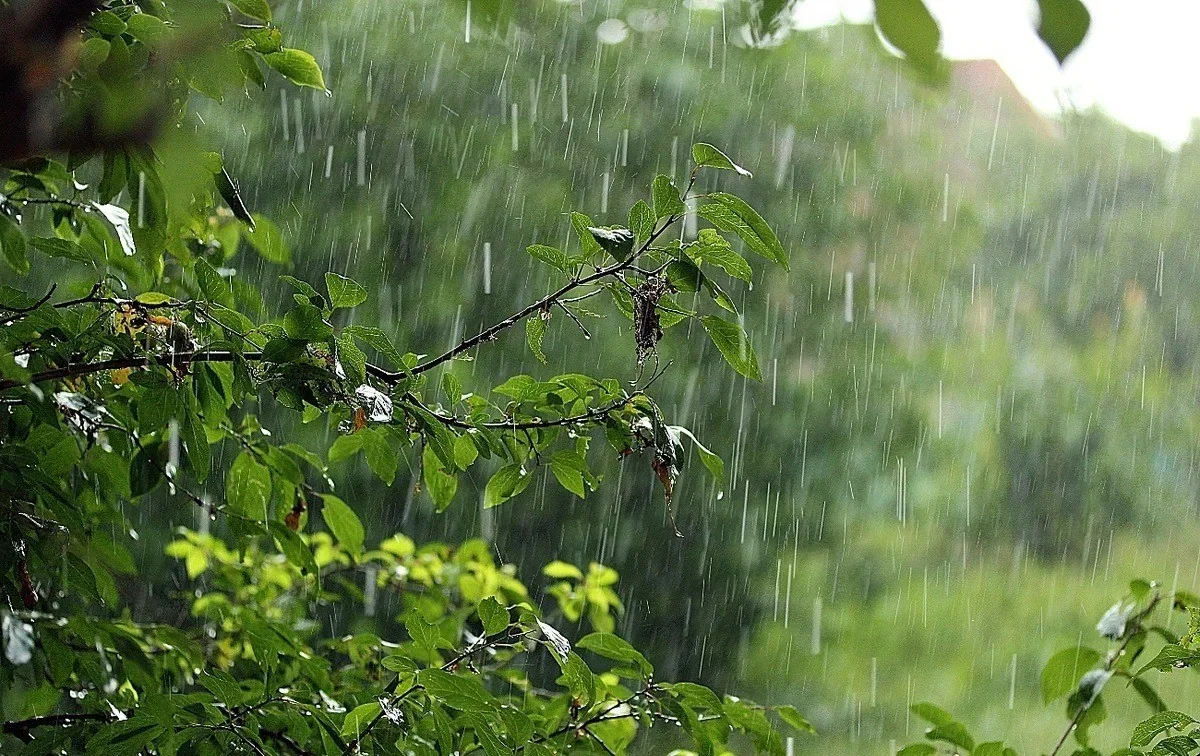
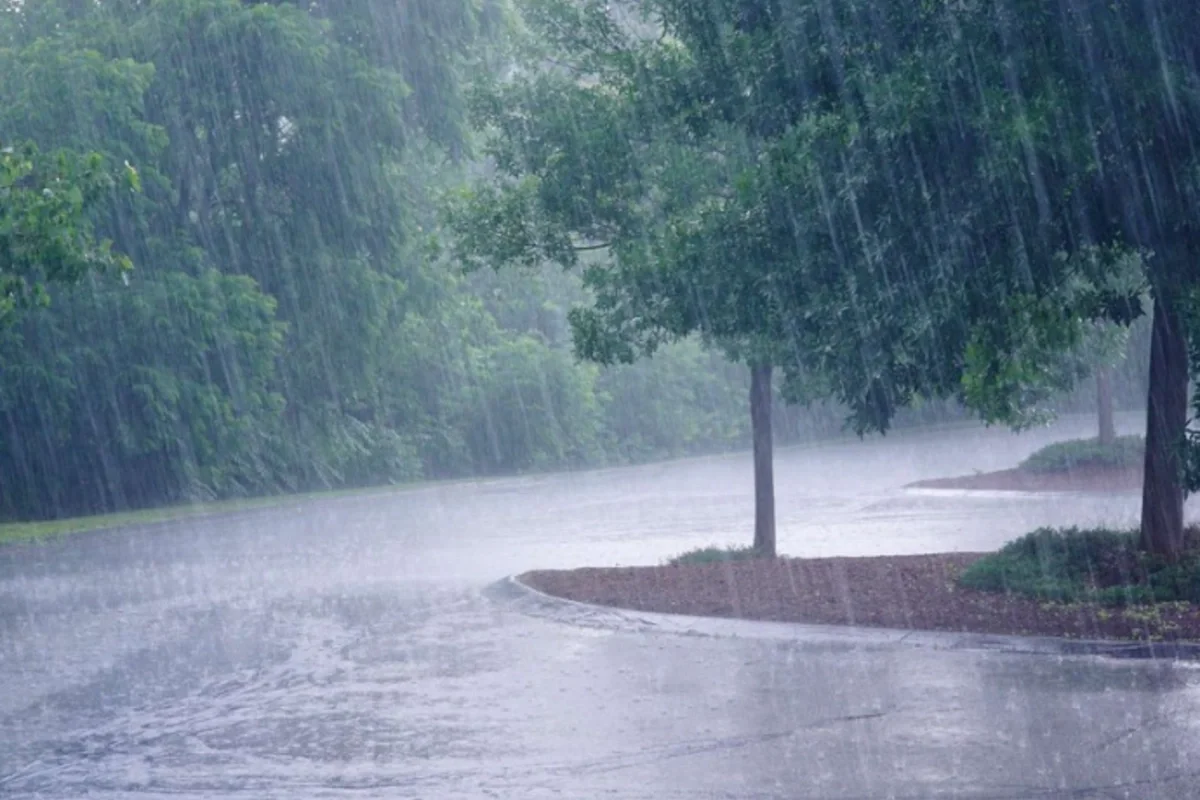
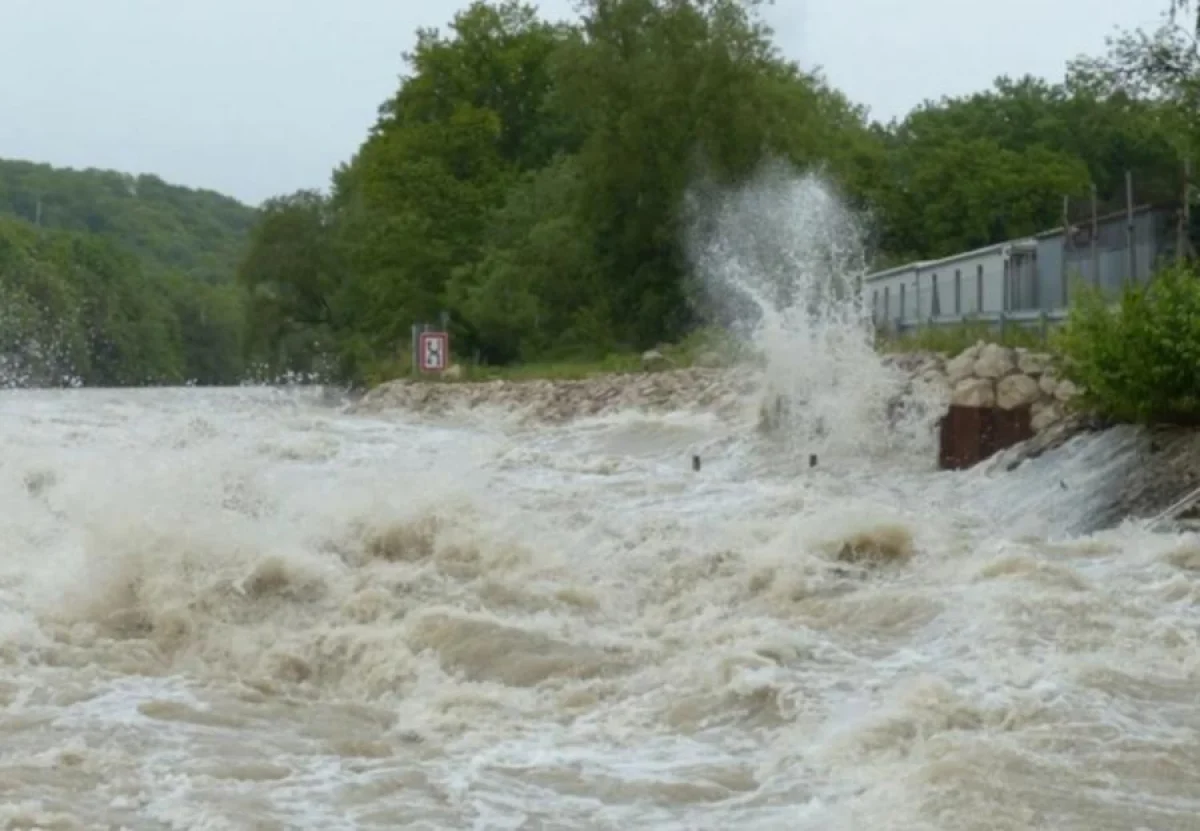
While most regions of Azerbaijan experienced dry weather, some mountainous and foothill areas saw intermittent lightning and intense, torrential rain during the night and morning hours.
According to the Operative Information Center-OMM, this data was released by the National Hydrometeorological Service as of 10:00 AM on July 18.
Precipitation levels were recorded as follows: 29 mm in Qakh (Saribash), 4 mm in Shaki, 2 mm in Gadabay, and 1 mm in Shahbuz, Sadarak, Dashkasan, Tartar, Mingachevir, Yevlax, Neftchala, Gusar, Balakan, Zaqatala, Oguz, Shahdag, Lankaran, Kalbajar, Lachin, and Qubadli.
Maximum temperatures reached 33°C in Baku and the Absheron Peninsula, 35°C in the Nakhchivan Autonomous Republic, 37°C in the lowland regions, and up to 25°C in the mountainous areas.
The National Hydrometeorological Service, which operates under the Ministry of Ecology and Natural Resources of Azerbaijan, continuously monitors these climatic shifts. Such fluctuations in weather patterns are characteristic of the summer season in Azerbaijan, where the diverse topography—ranging from the Caspian coast to the high peaks of the Greater and Lesser Caucasus—often results in localized microclimates and significant temperature variations between the lowlands and highland districts.