New decision for prosecution vehicles: What changes?
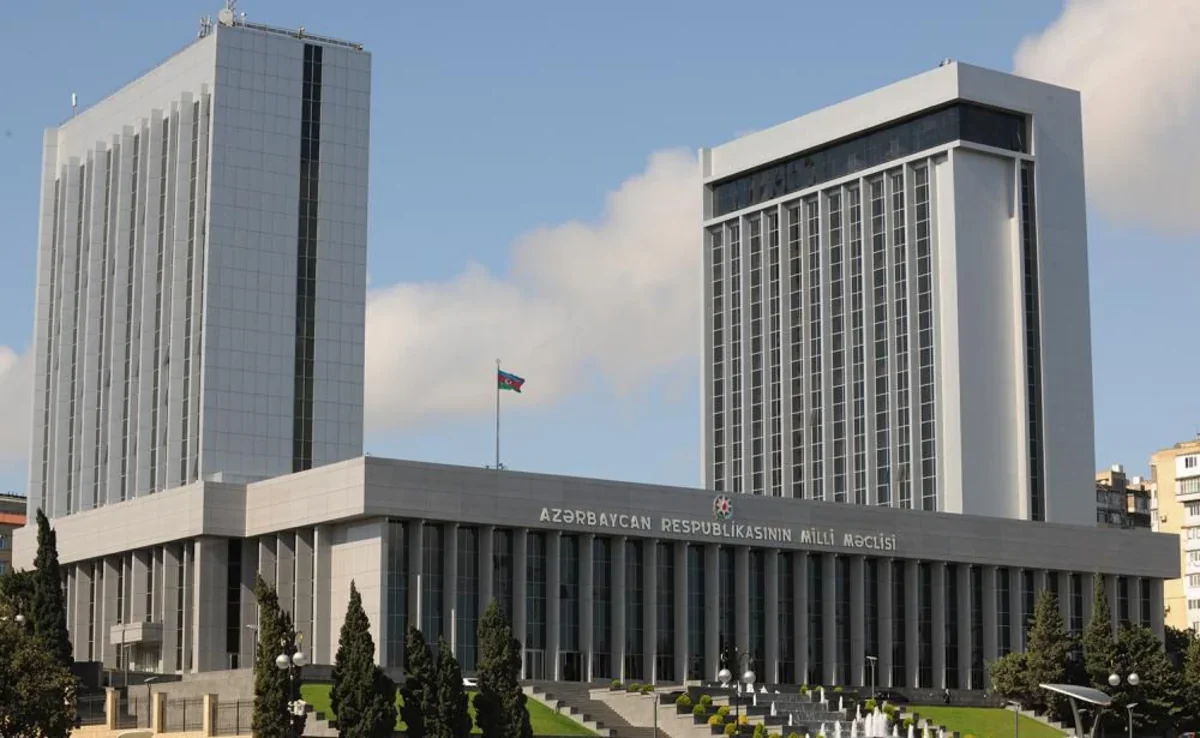
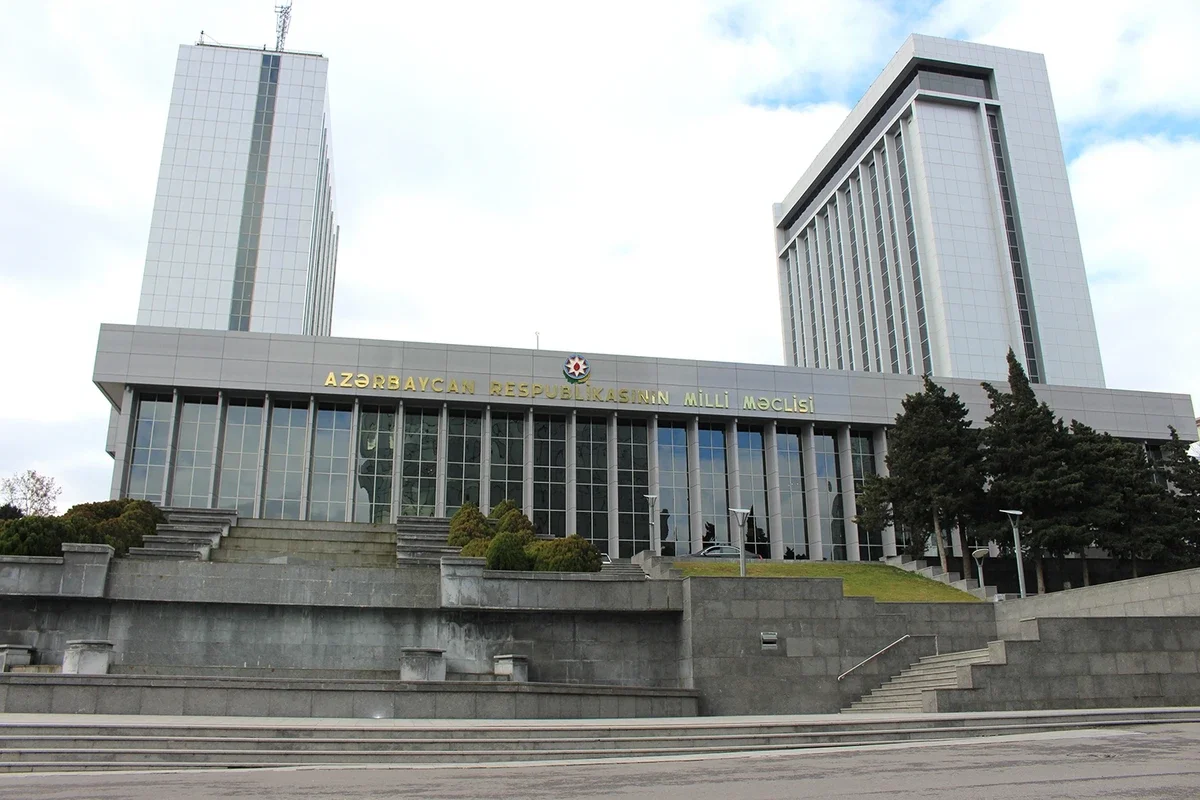
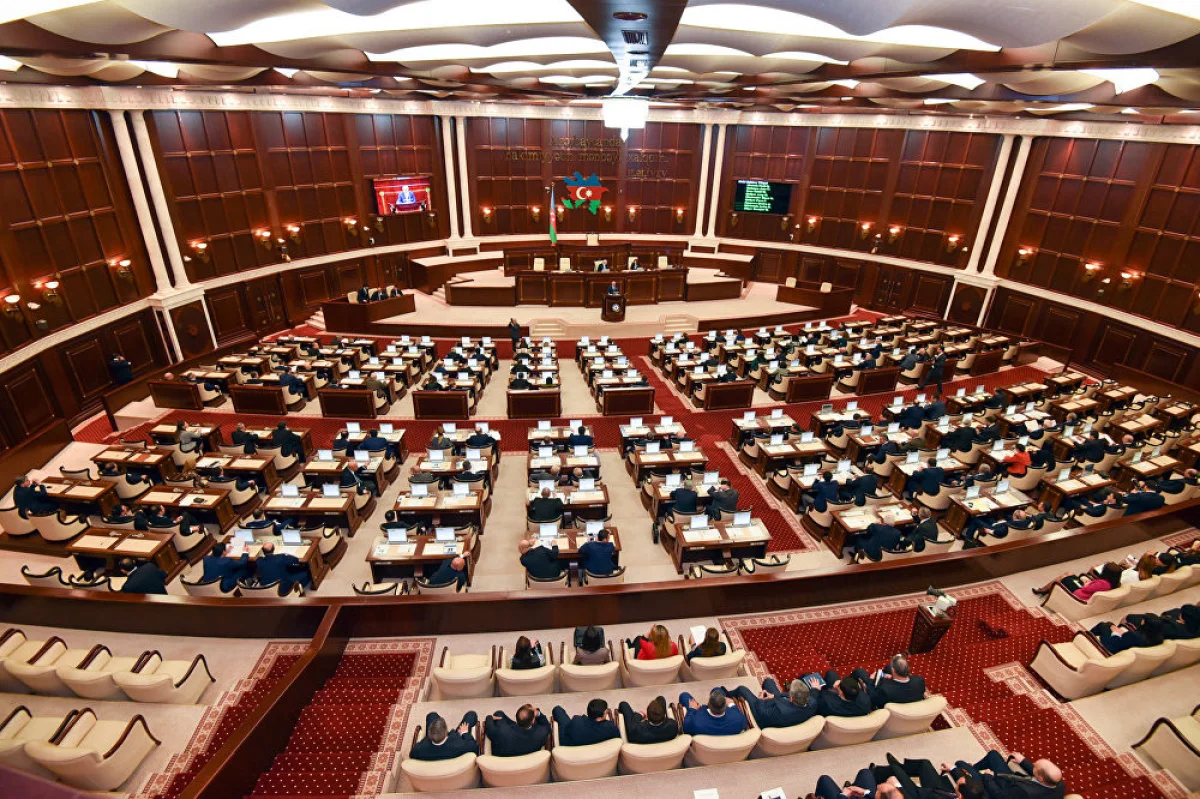
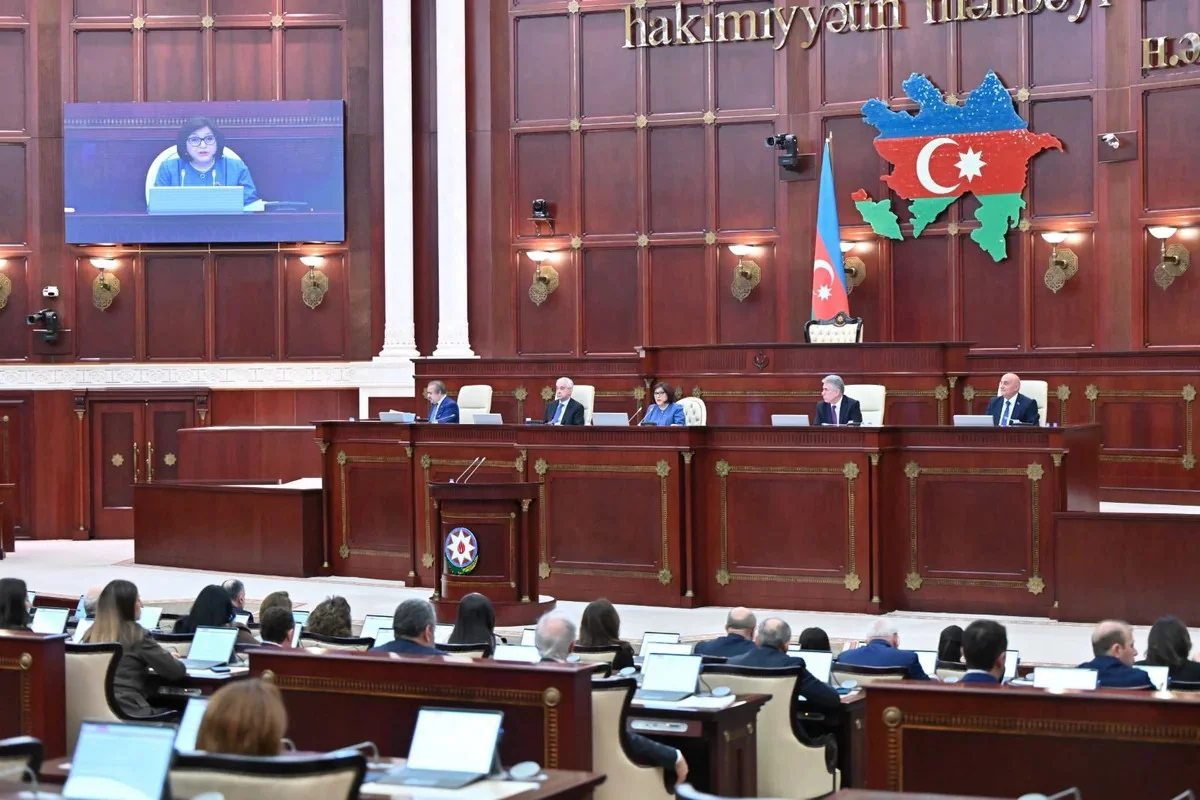
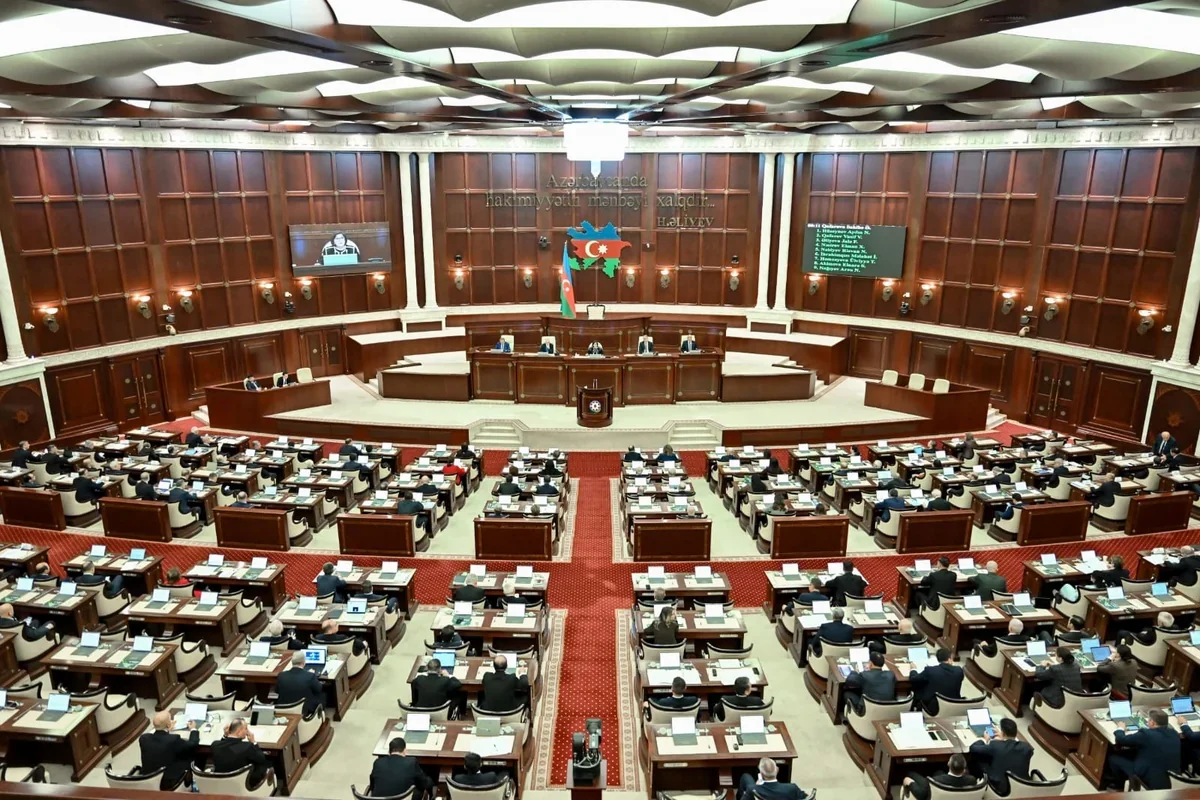
The Milli Majlis (National Assembly) has approved a decision in the first reading to officially include vehicles belonging to prosecution authorities in the operative category. This significant step aims to accelerate the process of solving crimes and ensure a flexible response to incidents in Azerbaijan.
Operative Information Center-OMM reports that proposed amendments to the Law on Road Traffic were brought for discussion during today's plenary session of the parliament.
Which vehicles will receive "Operative Vehicle" status?
According to the amendment, vehicles belonging to prosecution authorities and equipped with forensic equipment will now be considered operative vehicles. These vehicles will be utilized for performing urgent procedural actions at crime scenes, transporting duty officers to relevant areas, and conducting operational-search measures.
The document emphasizes that the change is directed toward organizing the activities of law enforcement and other special-purpose state bodies more efficiently. The inclusion of vehicles equipped with forensic tools into this category stems directly from existing practical requirements within the Republic of Azerbaijan.
Special signals and public safety
To ensure prompt arrival at incident scenes, it became necessary for these vehicles to have the same legal status as other operative services. It was noted that this move will significantly strengthen mutual activity and coordination among law enforcement agencies. Furthermore, granting these vehicles the right to use special light and sound signals will ensure their priority in road traffic, ultimately serving the more reliable protection of public safety.
In Azerbaijan, the modernization of the legal framework for law enforcement is part of broader judicial-legal reforms. By granting prosecution vehicles operative status, the state aligns the Prosecutor General's Office's mobile capabilities with those of the MIA and SSS, ensuring that forensic experts can secure evidence before it is compromised. Following the discussions, the new draft law was put to a vote and successfully passed in the first reading.