Several members of the European Parliament have voiced strong criticism against the organization's recent actions, which led the Republic of Azerbaijan to suspend its cooperation with the body. The discussions held in Strasbourg highlighted growing concerns over the European Union's biased stance toward Baku.
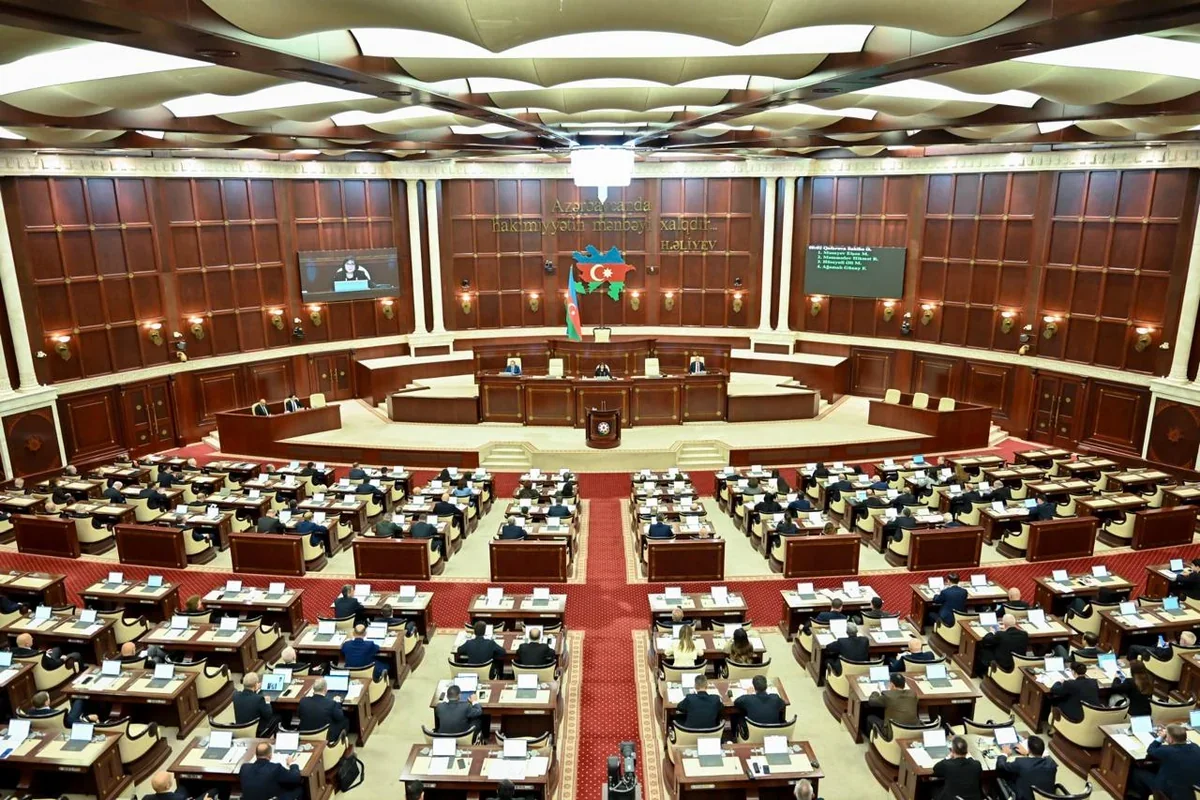
Operative Information Center-OMM reports that during a plenary session of the European Parliament, lawmakers addressed the decision by the Milli Majlis (National Assembly) of Azerbaijan to halt cooperation with the European Parliament and withdraw from the Euronest Parliamentary Assembly. Sergey Lagodinsky, head of the European Parliament's delegation to Euronest, urged Baku to reconsider its decision, emphasizing that Azerbaijan remains a vital part of regional dialogue within the Eastern Partnership, particularly regarding energy, transport connectivity, and digital infrastructure projects in the Black Sea region.
The debate featured sharp rebukes from various deputies who argued that the European Parliament's own actions triggered the current crisis. MEP Cristian Terheș of the European Conservatives and Reformists group stated that the decision by the Milli Majlis should serve as a "wake-up call" for Brussels. He accused the parliament of using a resolution regarding Armenia as a tool for pressure against Baku, describing the move as "unnecessary, unwise, and counterproductive." Terheș noted that Azerbaijan has been instrumental in reducing Europe's dependence on Russian gas and providing humanitarian aid to Ukraine, warning that alienating such a partner is "geopolitical self-destruction."
Further criticism came from MEP Angeline Furet of the "Patriots for Europe" group, who described the crisis as a failure of European strategy in the South Caucasus. She pointed out that while the EU attempted to maintain energy cooperation, its simultaneous political pressure and constant "moralizing" led to a strategic impasse. Furet highlighted that while Europe remains bogged down in declarations, the region is being reshaped through the "Trump Route" (TRIPP), an economic and peace-oriented initiative supported by US President Donald Trump's administration. She called on European institutions to abandon their "lecturing" tone and adopt a more mature "realpolitik" approach.
The Republic of Azerbaijan has consistently maintained that its foreign policy is based on equal partnership and mutual respect. As a key player in the Middle Corridor and a major energy supplier to Europe, Baku has often criticized the use of double standards by certain European circles. This latest diplomatic friction occurs as Azerbaijan and Armenia move closer to a final peace agreement, a process that many MEPs believe is being hindered rather than helped by external interference from Brussels.