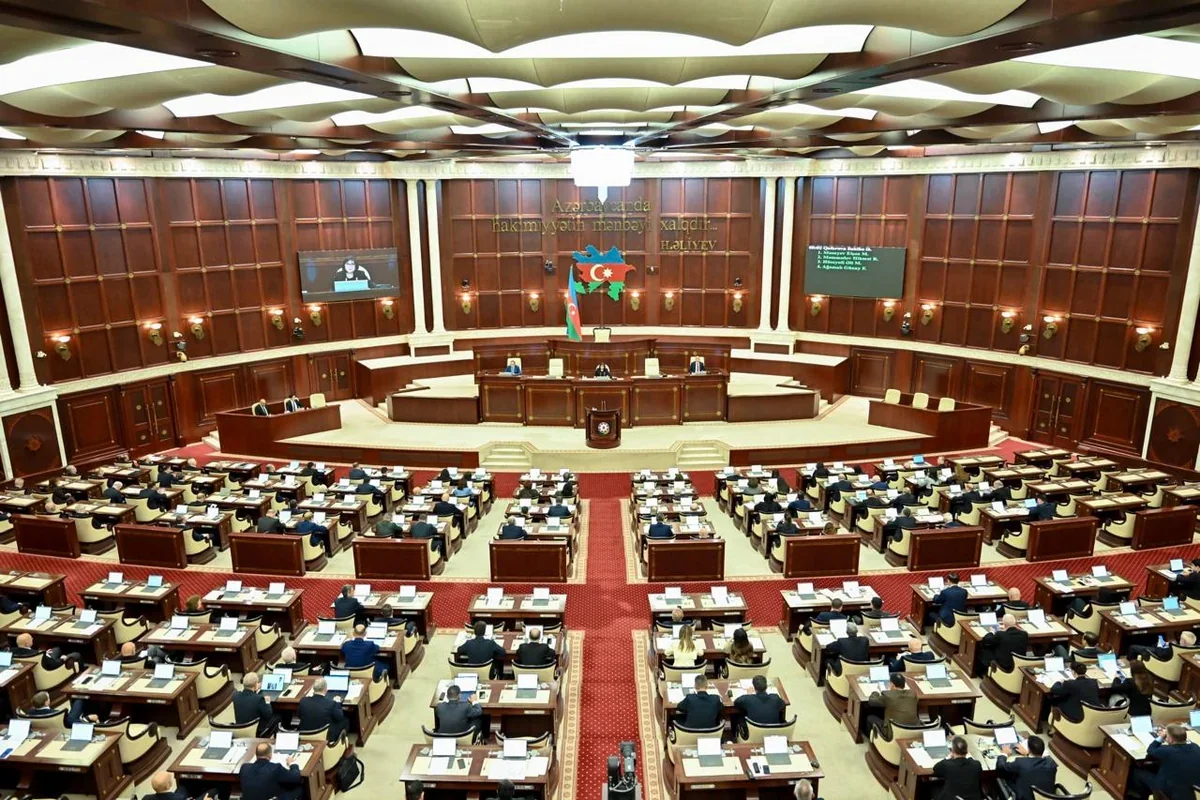
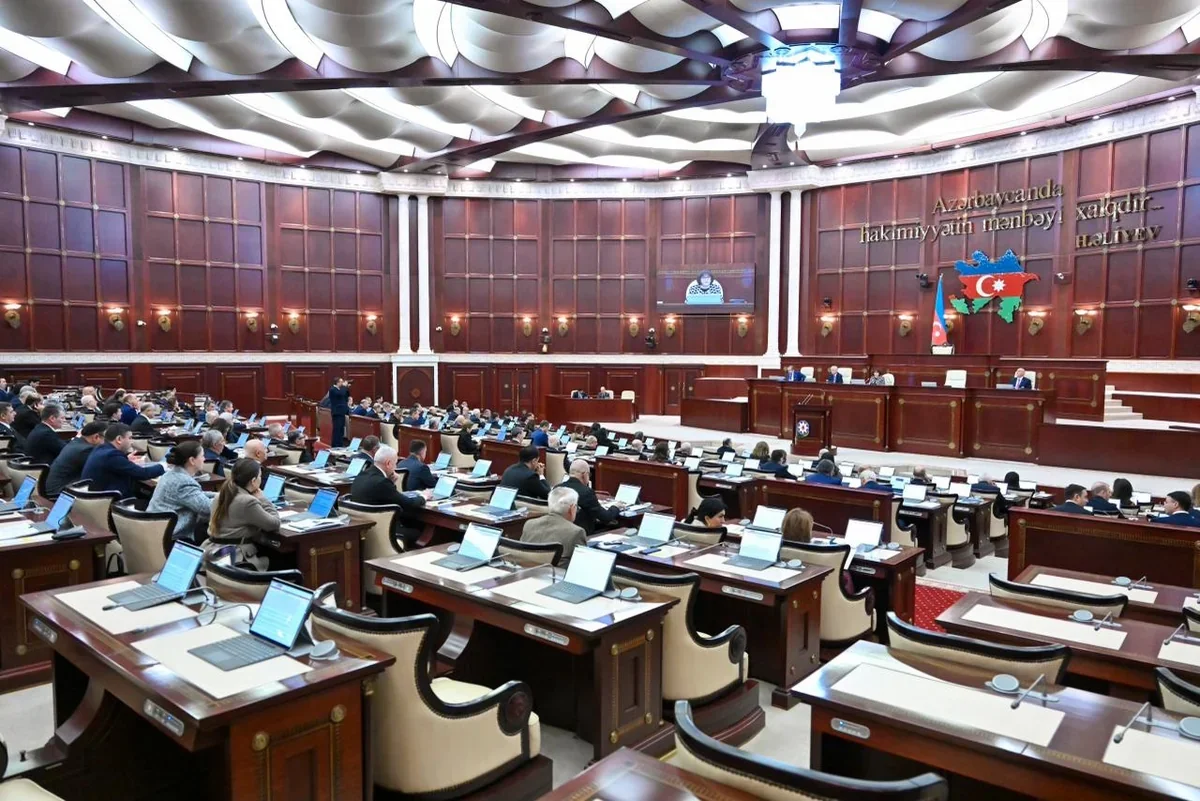
The Milli Majlis (National Assembly) has approved the removal of asbestos and materials containing asbestos from civil circulation in its final reading.
Operative Information Center-OMM reports that during today's parliamentary session, amendments to the law "On the list of items not allowed to be in civil circulation" were brought to the floor for discussion.
When will the asbestos ban take effect?
According to the draft amendment, which takes international best practices into account, asbestos and asbestos-containing materials are being added to the list of items prohibited from civil circulation. The law is scheduled to come into force on July 1, 2027.
Asbestos has been a mineral-based material widely used for many years across various industrial sectors in Azerbaijan, including cement, chemical, insulation, and paper industries, as well as in general construction.
Asbestos imports and market share in Azerbaijan: Statistical data
According to data from the State Statistical Committee, the following dynamics have been observed in the import of asbestos into the country:
- 2023: 591 tons of asbestos and 30,238 tons of asbestos-containing sheets;
- 2024: 1,045 tons of asbestos and 27,634 tons of asbestos-containing sheets.
Currently, asbestos-containing roofing (slate) accounts for 29 percent of the total roofing stock in Azerbaijan, covering an area of approximately 190 million m². Annual slate consumption in the country stands at 2.6 million m² (1.5 million sheets). Slate represents between 15-20 percent of the total roofing market share.
Health risks and reasons for the prohibition
Scientific research has proven that this material poses a serious threat to human health, leading several countries to ban the use of asbestos and asbestos-containing products. The inhalation of asbestos fibers that mix into the air increases the risk of various conditions, including lung diseases and other respiratory complications. Therefore, restricting and ultimately banning the use of asbestos is considered a vital step toward protecting public health in Azerbaijan. Following the discussions, the document was adopted in the third reading.
The move aligns Azerbaijan with global health standards, particularly those established by the World Health Organization (WHO) and the International Labour Organization (ILO), which identify asbestos as a major carcinogen. By implementing this ban, the Republic of Azerbaijan aims to modernize its construction sector and transition toward safer, eco-friendly alternatives in line with international environmental protocols.