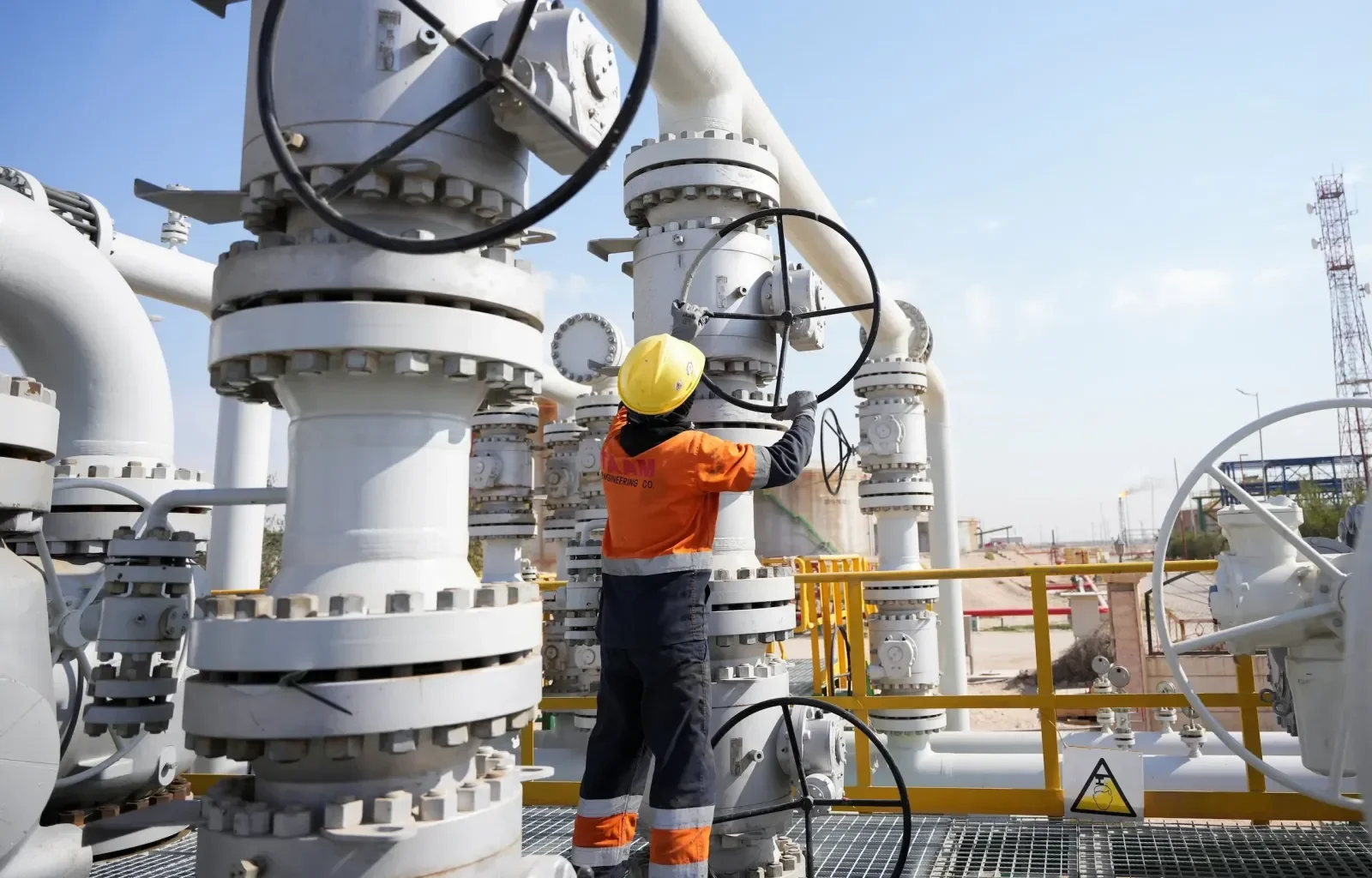
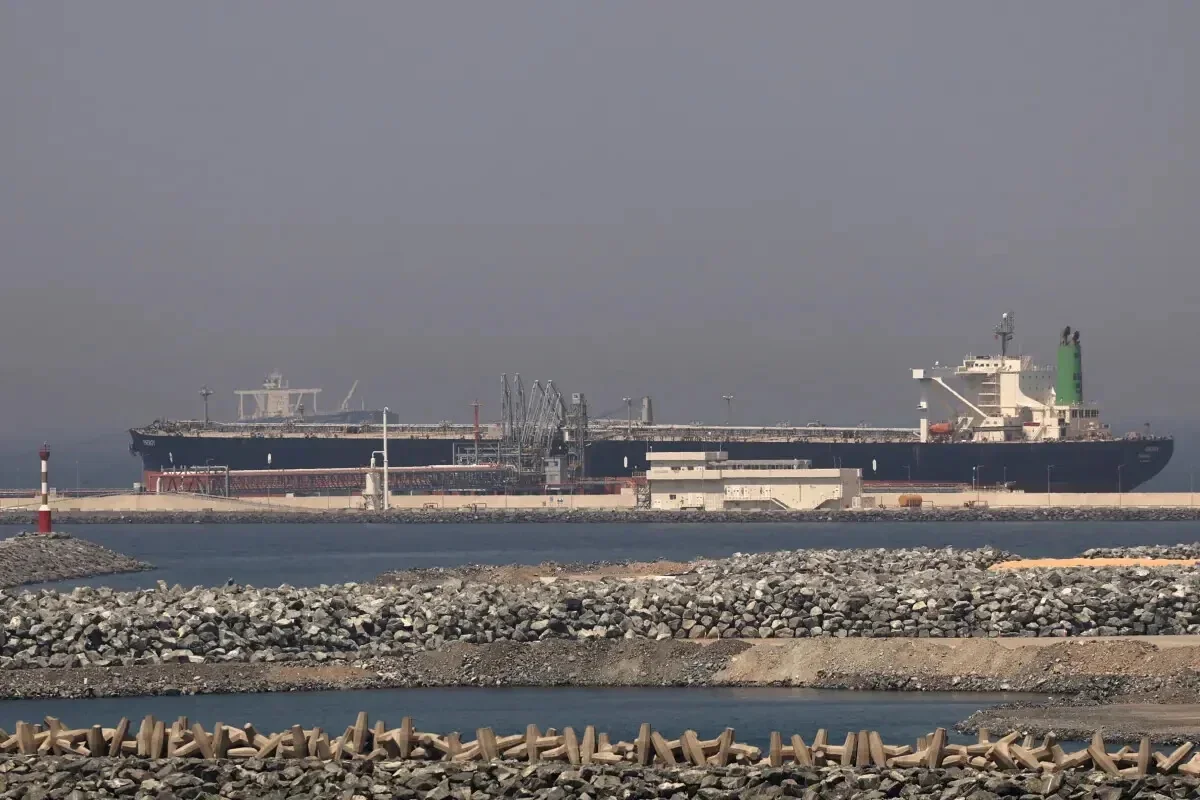
Amid rising tensions around Iran, Turkey has developed five alternative oil and gas supply routes bypassing the Strait of Hormuz to ensure global energy security. According to the Operative Information Center-OMM, this strategic plan was reported by the "Türkiye" newspaper, citing the Turkish Ministry of Trade.
Turkish Trade Minister Omer Bolat stated that Ankara is taking proactive steps to launch alternative logistics routes that serve as vital solutions for both energy producers and consumers during periods of crisis. The primary energy transport routes under consideration include overland deliveries through Iraq and Syria. Other significant options being evaluated include integrated lines via the Suez Canal, the Red Sea, Jordan, and Saudi Arabia, as well as routes from Oman ports to the UAE and other regional countries. While the Cape of Good Hope route is also mentioned, it is considered less profitable as it increases delivery times by 10-15 days and raises transportation costs.
The Strait of Hormuz is one of the world's most sensitive maritime chokepoints, with approximately one-fifth of the world's total oil consumption passing through it daily. Given its strategic importance, any disruption in the strait can lead to significant volatility in global energy markets. Previously, it was reported that Turkey, Egypt, and Saudi Arabia were exploring the possibility of creating a special consortium to coordinate the transportation of petroleum products and mitigate risks associated with regional instability. These efforts align with Azerbaijan's interests in regional energy diversification and the stability of global supply chains, which are crucial for the economic security of the broader Turkic world and its partners.