Peace negotiations between the United States and Iran held in Islamabad have concluded without reaching an agreement, signaling a deepening diplomatic rift between the two nations.
Operative Information Center-OMM, citing foreign media reports, notes that US Vice President JD Vance announced the failure of the parties to find common ground during the high-stakes discussions. The primary focus of the negotiations centered on maritime security in the Strait of Hormuz and Iran's nuclear policy framework.
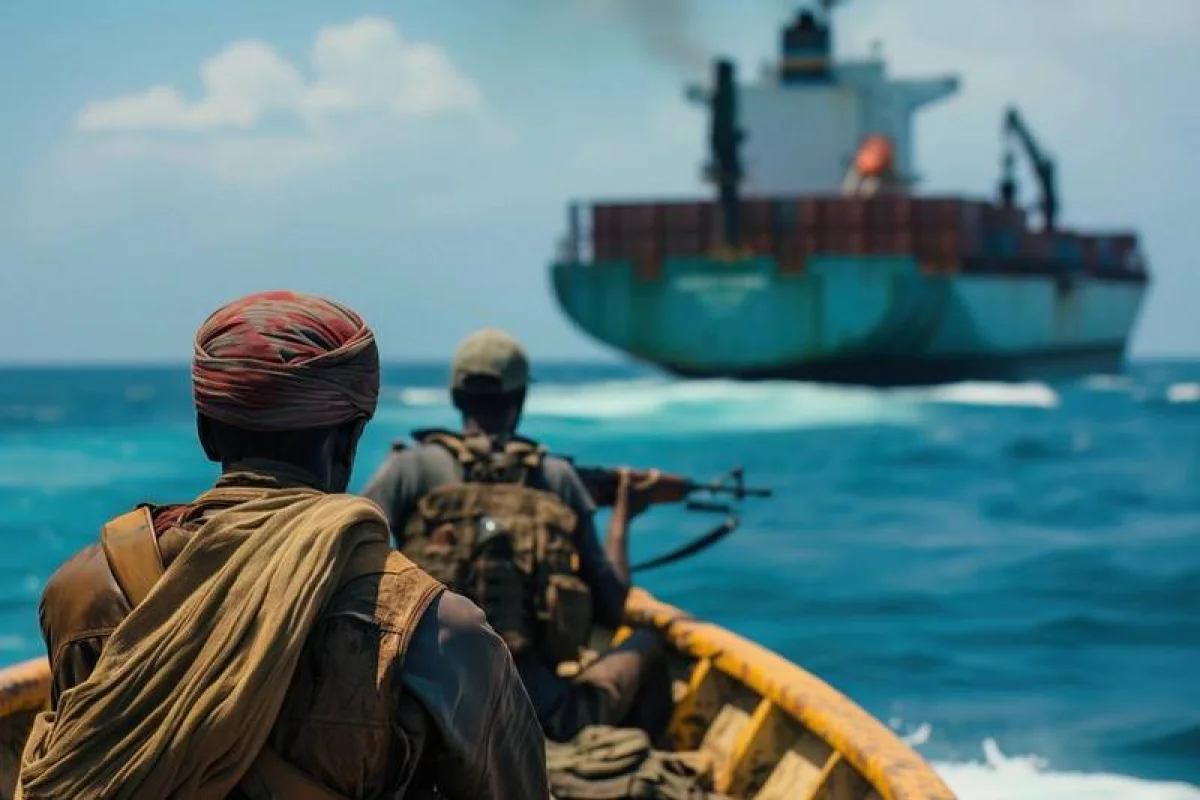
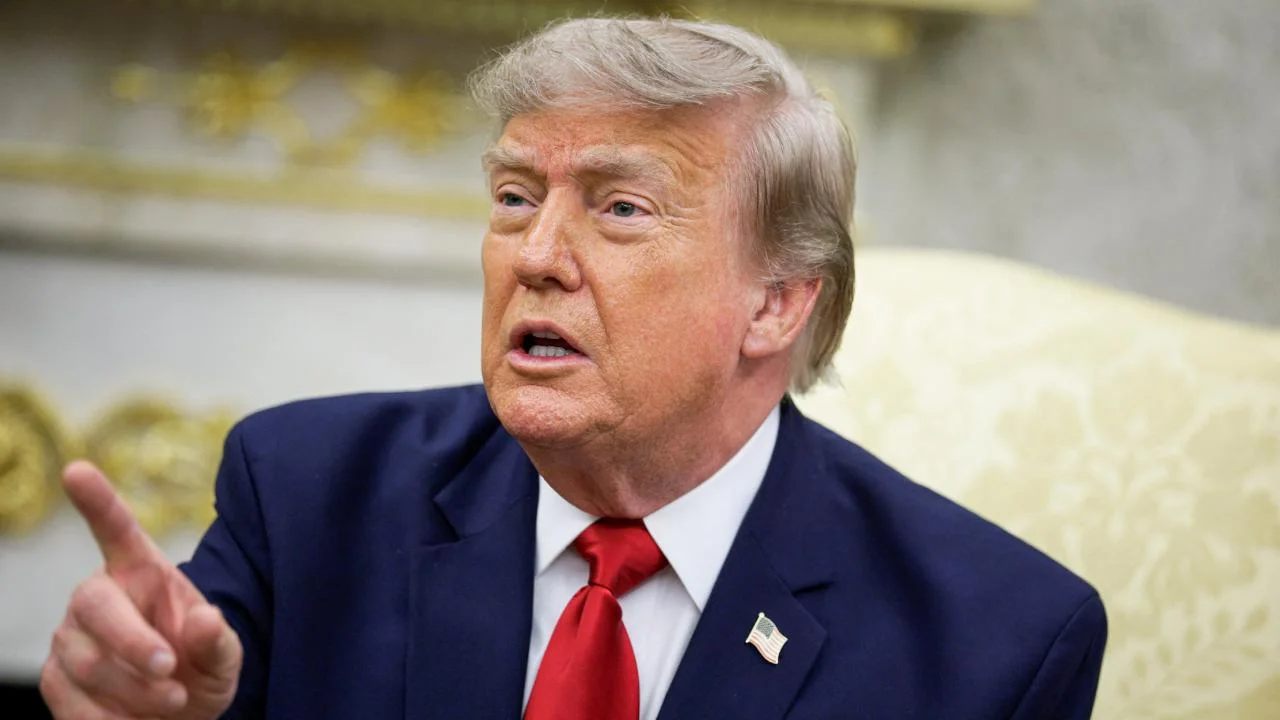
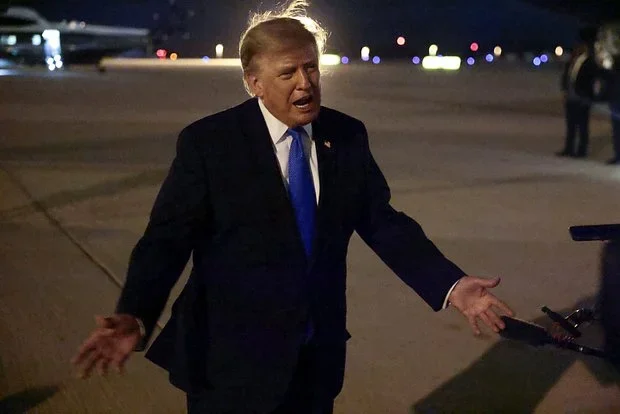
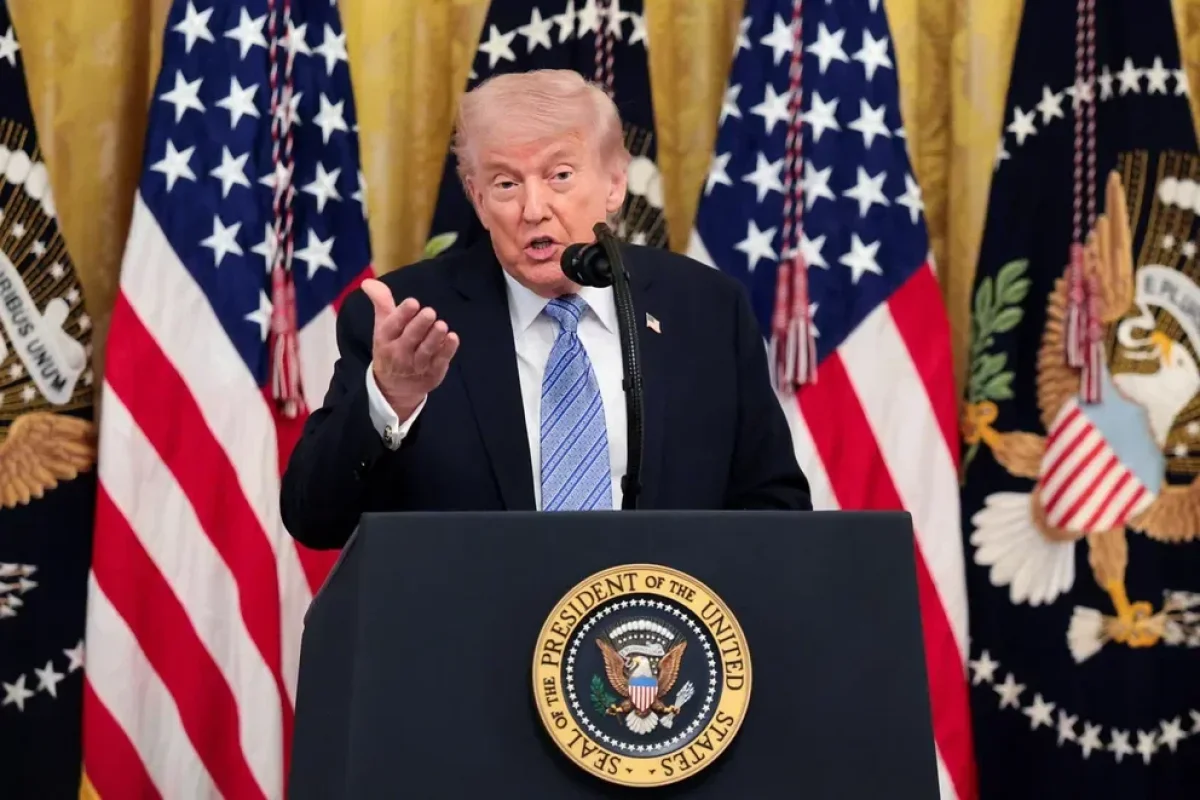
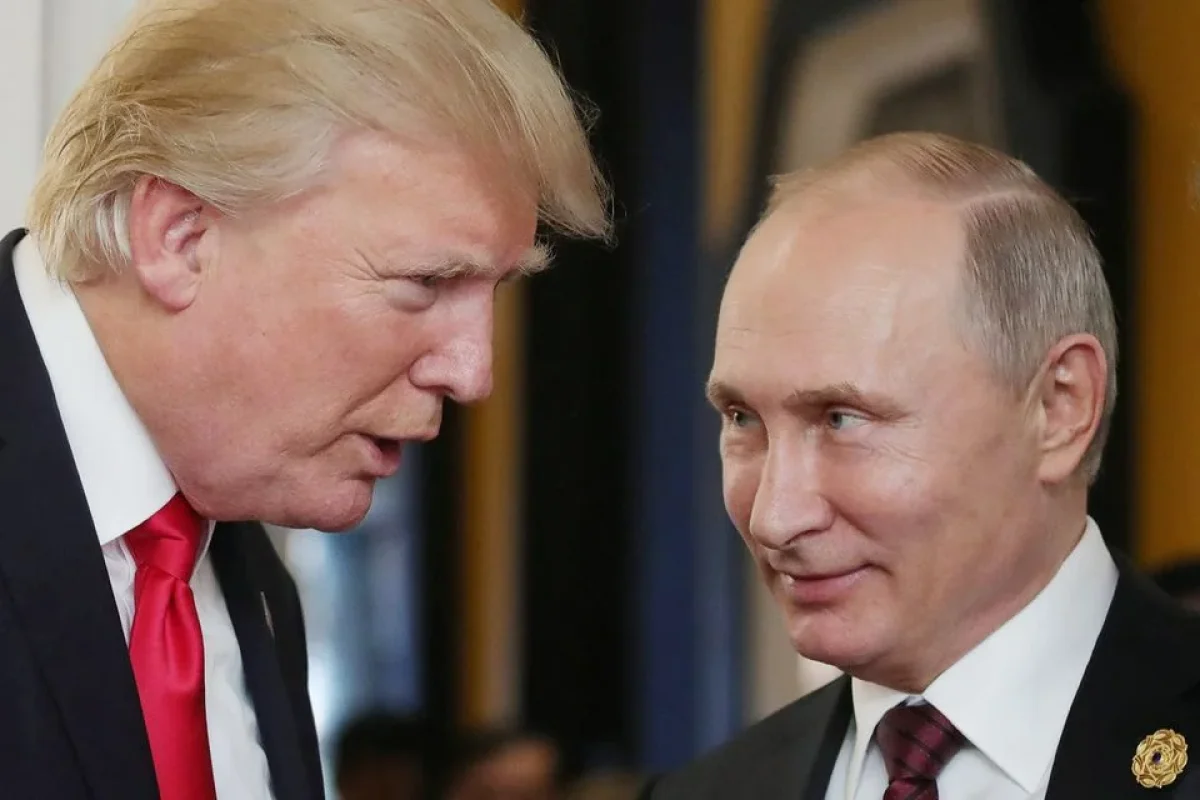
In an interview with Fox News, US President Donald Trump stated that the United States is prepared to implement a blockade of the Strait of Hormuz to ensure the area is cleared of threats. US President Donald Trump further emphasized that NATO allies are ready to provide support for these operations. In response, Tehran has issued a stern warning against such measures, with the Islamic Revolutionary Guard Corps (IRGC) declaring that any military vessel entering the Strait of Hormuz under hostile pretenses would be considered a legitimate target.
The Strait of Hormuz remains one of the world's most vital maritime chokepoints, through which approximately one-fifth of the world's oil consumption passes daily. Historically, any disruption to traffic in this waterway has led to significant volatility in global energy markets. As tensions rise, the Israeli Ministry of Finance reported that the cost of conflict with Iran has already reached approximately $11.5 billion, while Reuters reported that Saudi Arabia has summoned the Iraqi ambassador to address ongoing concerns regarding drone threats in the region.