A total of 27 historical and cultural monuments have been fully restored in Shusha following the city's liberation from occupation, marking a significant milestone in the ongoing reconstruction of Azerbaijan's cultural capital.
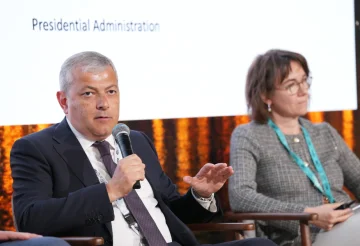
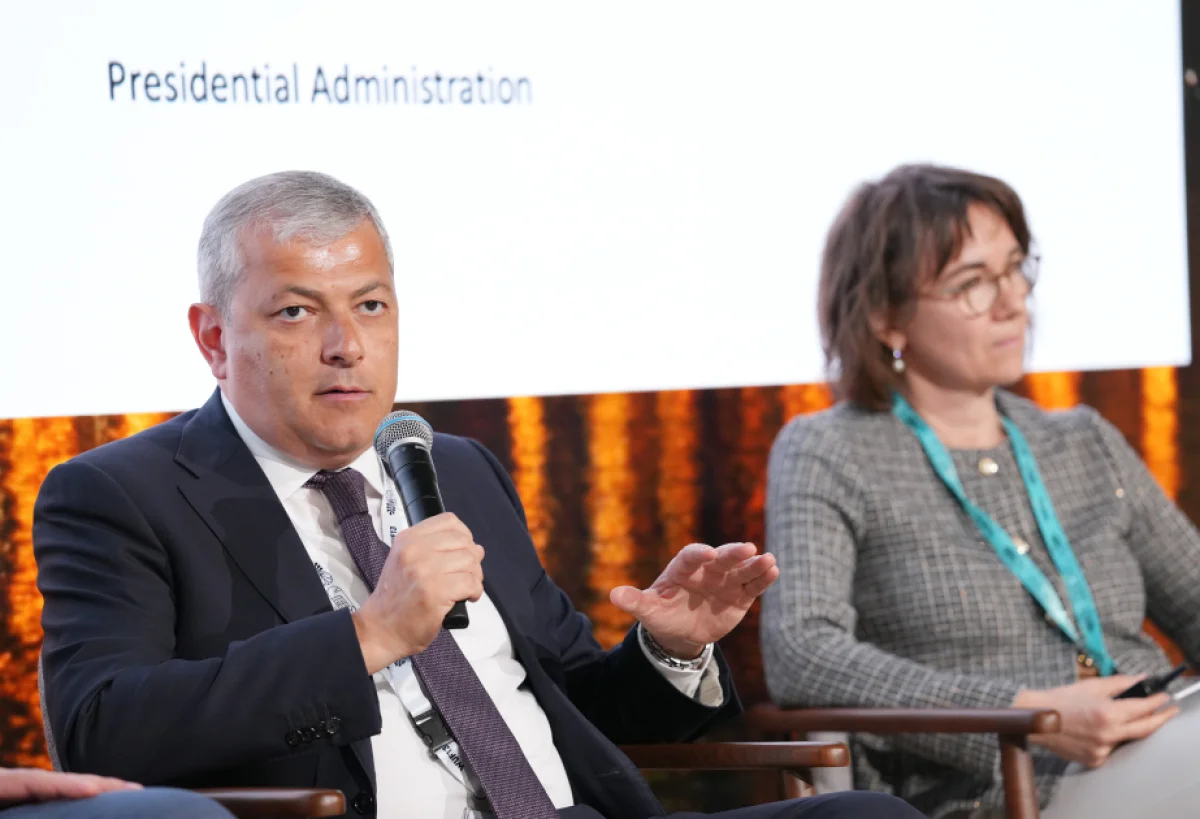
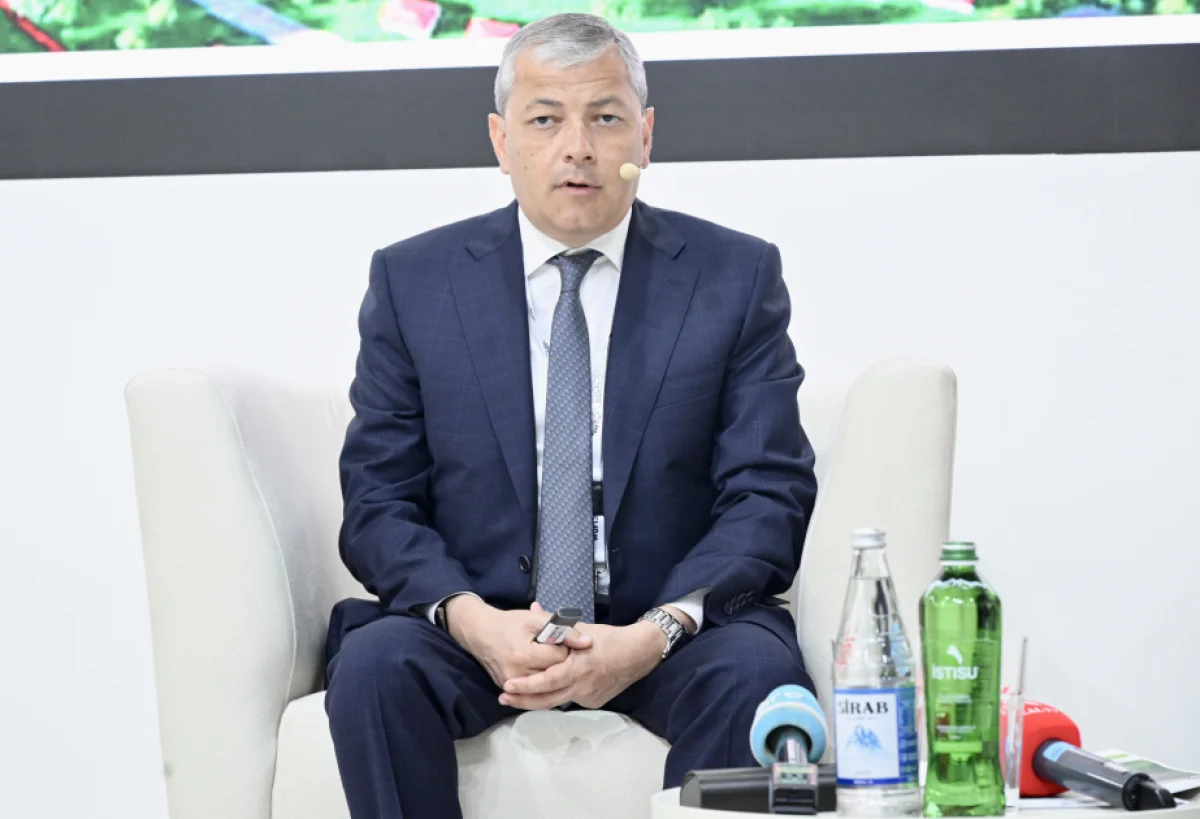
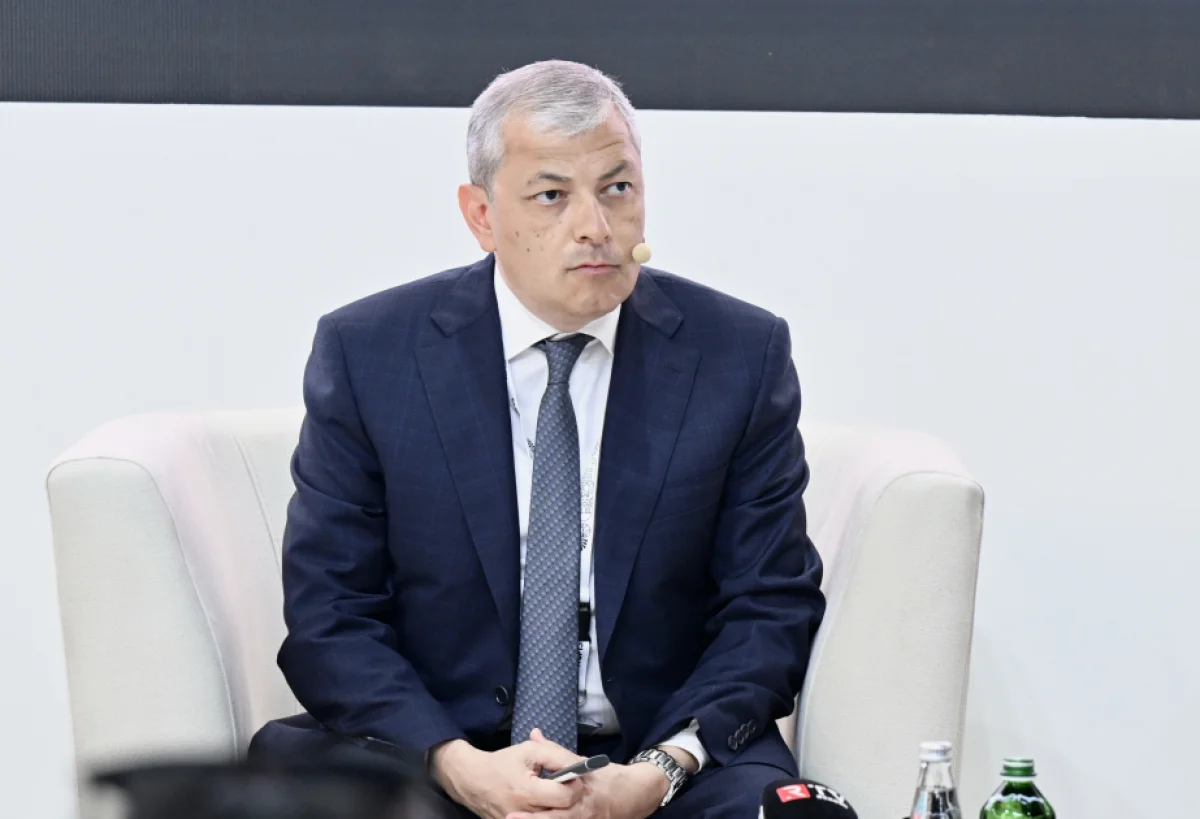
According to Operative Information Center-OMM, these remarks were made by Aydin Karimov, the Special Representative of the President in Shusha, during an event titled "Post-Conflict Urban Planning: Restoring Destroyed Identity and Rebuilding an Integrated Future." The session was held at the Azerbaijan pavilion within the framework of the 13th Session of the United Nations World Urban Forum (WUF13).
Karimov emphasized that the period of occupation resulted in the systematic destruction of cities, infrastructure, and historical heritage. He noted that the forced displacement of the population and the disruption of ecological balance severely impacted the region's socio-economic life and cultural memory. "There are nearly 200 historical and cultural monuments in Shusha, most of which were damaged or destroyed during the occupation. Currently, 27 monuments have been restored, including seven mosques, six springs, seven cultural sites, the Shusha Fortress, the statue of Uzeyir Hajibeyli, the Molla Panah Vagif mausoleum complex, and the Khanlig Mukhtar caravanserai," the Special Representative stated.
Shusha, declared the Cultural Capital of the Islamic World for 2024, is currently undergoing a comprehensive state-led restoration program aimed at preserving its unique architectural identity while integrating modern urban infrastructure. The World Urban Forum (WUF), established by the United Nations in 2001, serves as the premier global conference on sustainable urbanization, providing a platform for Azerbaijan to share its experience in post-conflict reconstruction and the "Great Return" program.