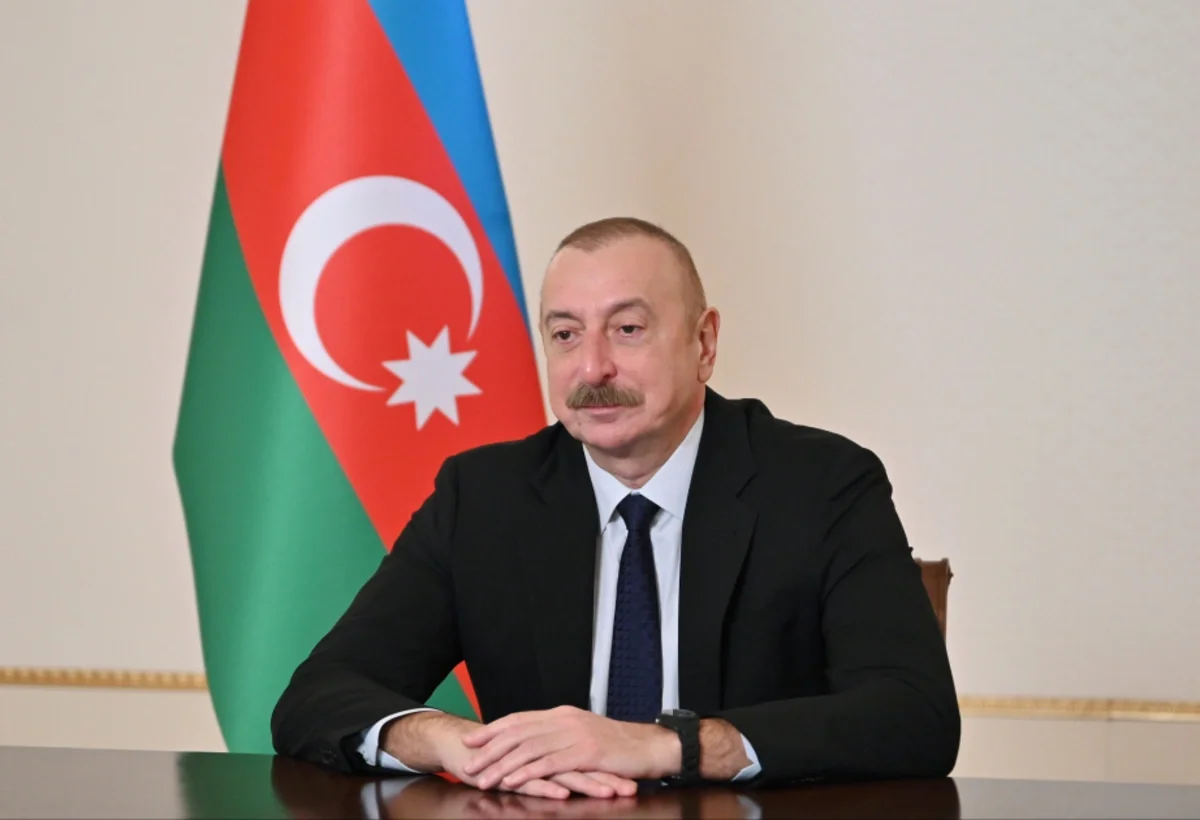
Georgian media outlets have extensively covered President Ilham Aliyev's recent statements regarding the export of electricity to Europe and the development of new energy corridors.
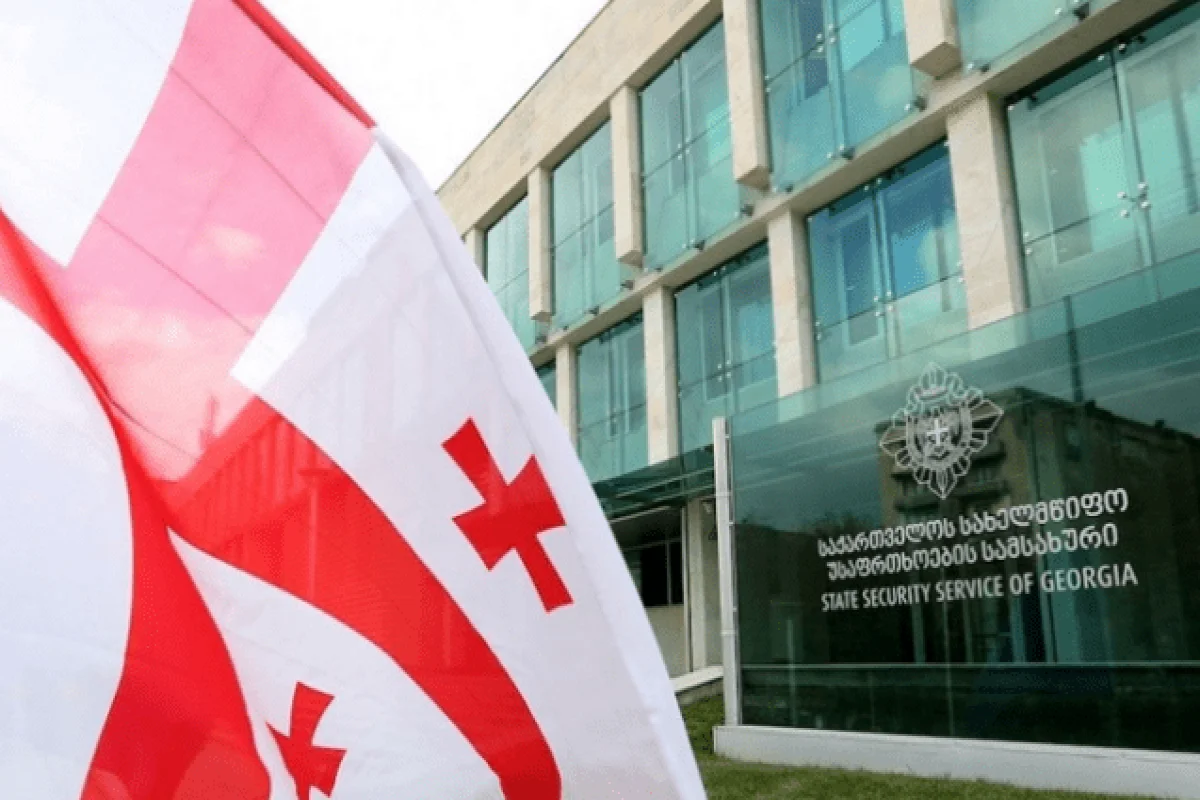
Operative Information Center-OMM reports that leading Georgian television channels and news resources have dedicated significant coverage to the interview given by President Ilham Aliyev in Nakhchivan.
Reports published on the websites of Georgia's Public Broadcaster (1TV) and the "Imedi" television channel highlighted the President's vision for exporting Azerbaijani electricity to the European market. The coverage emphasized the pivotal roles of Georgia and Turkey as primary transit routes, as well as the creation of new energy and transport connections in the region.
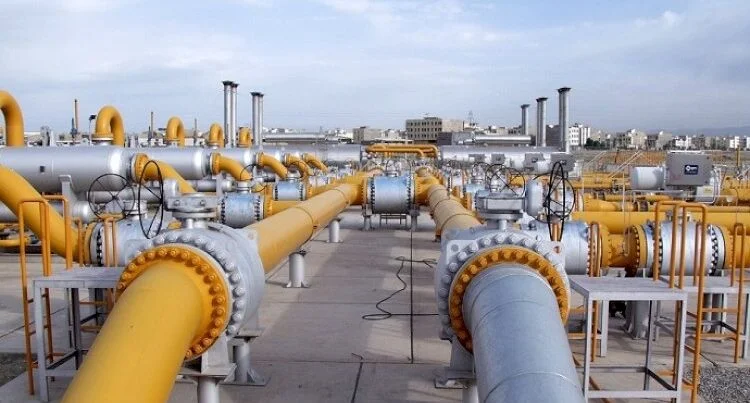
The publications cited President Ilham Aliyev, noting his remarks: "Azerbaijan already exports oil and gas to the European market and intends to expand its capabilities to deliver electricity as well." According to the President, the main route for Azerbaijan to export electricity to Europe currently passes through Georgia and Turkey.
"There is no other country in our region as comprehensively supplied with energy as Azerbaijan, whether it is oil, gas, or electricity. By expanding our export opportunities to neighboring countries, we will also gain access to the European market. We have already supplied Europe with oil and gas, and we now want to provide the European market with electricity as well," the outlets quoted the President as saying.
The reports noted that President Ilham Aliyev emphasized the importance of expanding these capabilities, specifically drawing attention to the Black Sea energy cable project. He stated that the feasibility study for the project is complete, and the creation of a second power transmission line could further strengthen Azerbaijan's capacity.
President Ilham Aliyev noted that Azerbaijan's energy system is currently interconnected with those of Russia, Iran, and Georgia, with access to Turkey and subsequently the European market provided via Georgia.
The President also mentioned that a project to construct power lines to Nakhchivan via Armenia is ready. He highlighted the significant work Azerbaijan has undertaken in recent years to develop its electrical infrastructure.
"For the past five years, we have been erecting power transmission towers in the mountains of Kalbajar, even in snowy weather, at an altitude of 3,500 meters," the President stated. He added that should the project to build the power line to Nakhchivan via Armenia commence, the implementation would not require a significant amount of time.
President Ilham Aliyev noted that this project could eventually become an integral part of the Zangezur corridor and the TRIPP project. He explained that this route would not be limited to rail and road transport; it could also accommodate fiber-optic cables, power lines, and, if necessary in the future, oil and gas pipelines.
In his interview, the President also addressed the economic significance of the Zangezur corridor. He stated that the transport of 15 million tons or more of cargo through the corridor would generate additional economic activity, create new jobs, and transform Nakhchivan into a major transport hub. He noted that while the initial focus of the Zangezur corridor was on transport, the project is now being viewed in a much broader context.
The extensive coverage by Georgian media underscores the relevance of Baku-Tbilisi cooperation, particularly regarding energy, transport, and transit capabilities. Georgia remains a key transit country for Azerbaijani energy resources destined for Turkish and European markets. These joint projects are vital for strengthening regional connectivity in the South Caucasus and enhancing Europe's energy security.