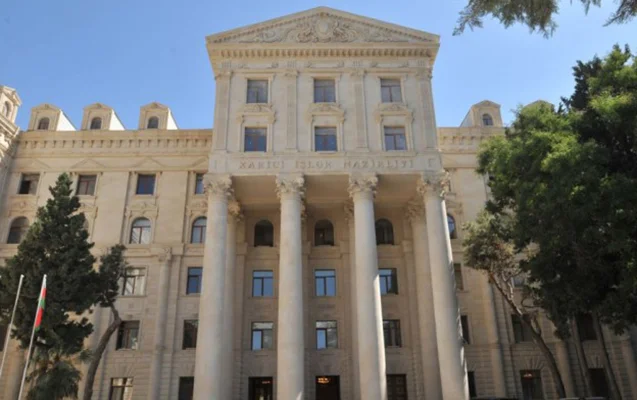
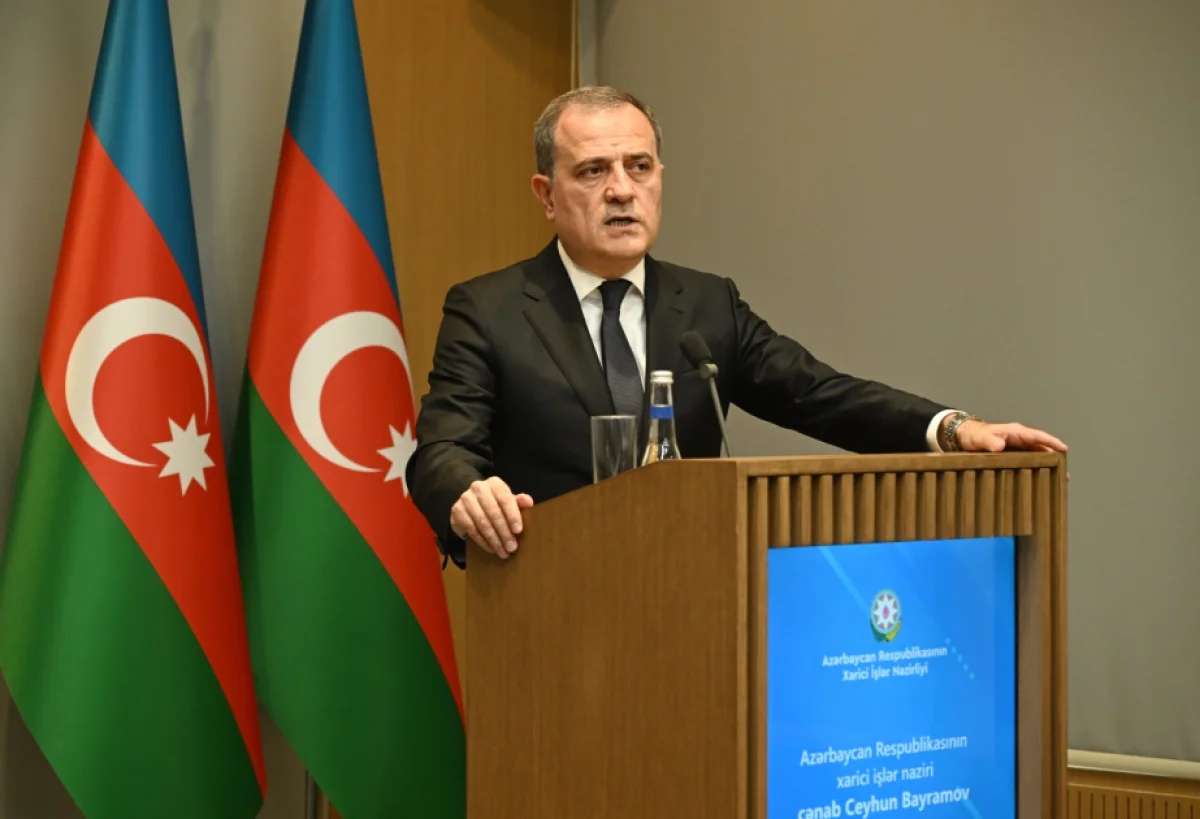
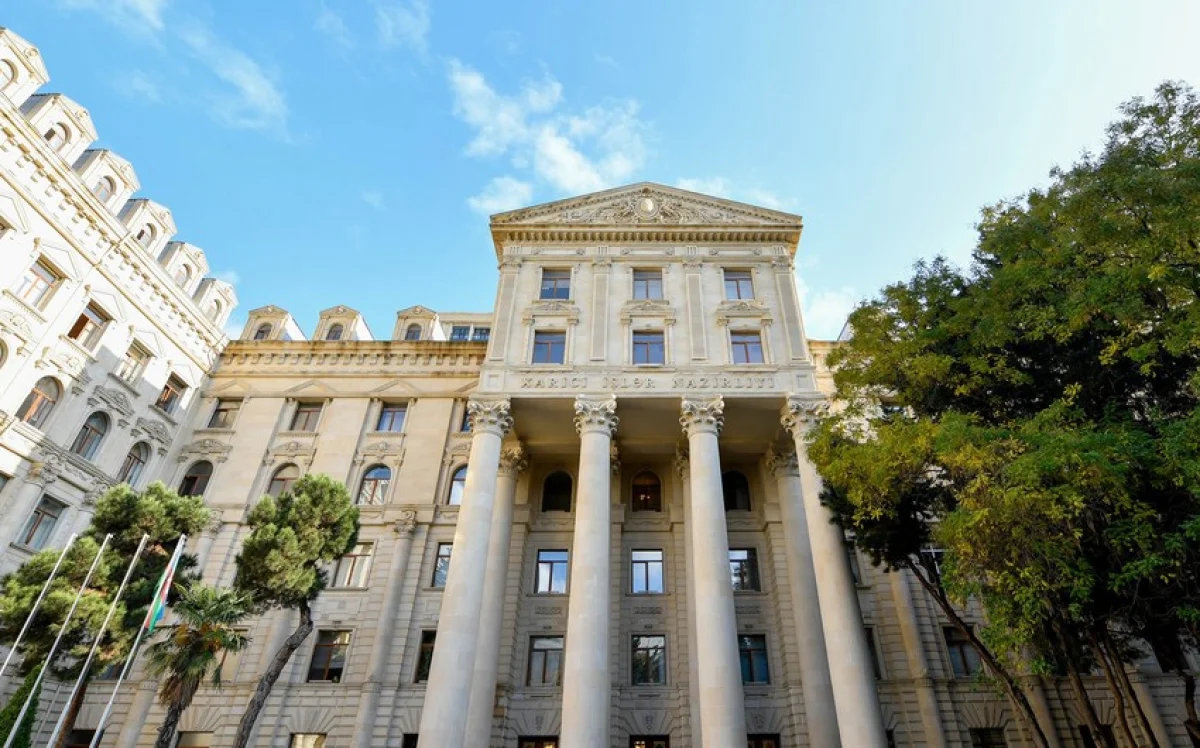
The Ministry of Foreign Affairs (MFA) of the Republic of Azerbaijan has issued an official statement regarding the 34th anniversary of the Khojaly genocide.
Operative Information Center-OMM reports that the document characterizes this event as the bloodiest and most tragic page of the occupation policy pursued by Armenia against Azerbaijan.
The Night of February 26: What Happened in Khojaly?
The statement noted that on the night of February 25-26, 1992, Armenian armed forces attacked Khojaly and committed mass atrocities against peaceful residents. It should be noted that the city had been under siege since October 1991, with all road and energy connections completely severed.
The massacre was carried out by Armenian detachments with the direct assistance of the former USSR's 366th motorized rifle regiment. As a result of the tragedy, 613 people were killed with particular cruelty in Khojaly. Among them were 63 children, 106 women, and 70 elderly people.
During the genocide, 487 people sustained various degrees of injuries, and 1,275 people were taken prisoner and subjected to torture in captivity. The horrific statistics do not end there: 8 families were completely wiped out, 130 children lost one parent, and 25 children lost both. The fate of many hostages remains unknown to this day.
Policy of Ethnic Hatred and International Law
The MFA statement emphasized that these massacres were not merely military operations but part of a policy of ethnic hatred and discrimination. Similar massacres committed by Armenia in settlements such as Baghanis Ayrim, Jamilli, Karkijahan, Meshali, Malibeyli, Garadaghli, Tugh, and Salakatin prove the systemic nature of the Khojaly genocide.
The Khojaly genocide is a gross violation of international law, particularly the Convention on the Prevention and Punishment of the Crime of Genocide and other humanitarian norms. This tragedy must receive its proper legal assessment in the global legal system as a crime against humanity.
Historical Admissions and the Future of Khojaly
The document noted that facts exist proving the purposeful nature of the genocide. In particular, the admissions of Serzh Sargsyan, one of the organizers of the genocide who served as Armenia's former defense minister and later head of state, clearly show that this tragedy was a deliberate policy.
Today, life is returning to Khojaly—an unhealed wound of our people—just as it is to other territories liberated from occupation. Our state and people do not forget the victims of the genocide and always cherish their memory. On the 34th anniversary of the Khojaly genocide, we once again commemorate the memory of the innocent victims with deep respect.
The Khojaly genocide remains one of the most documented atrocities of the First Garabagh War. International human rights organizations, including Human Rights Watch, have previously described the events as the largest massacre in the conflict. Azerbaijan continues its "Justice for Khojaly" international awareness campaign to seek global recognition of the events as an act of genocide and to ensure the perpetrators are held accountable under international law.