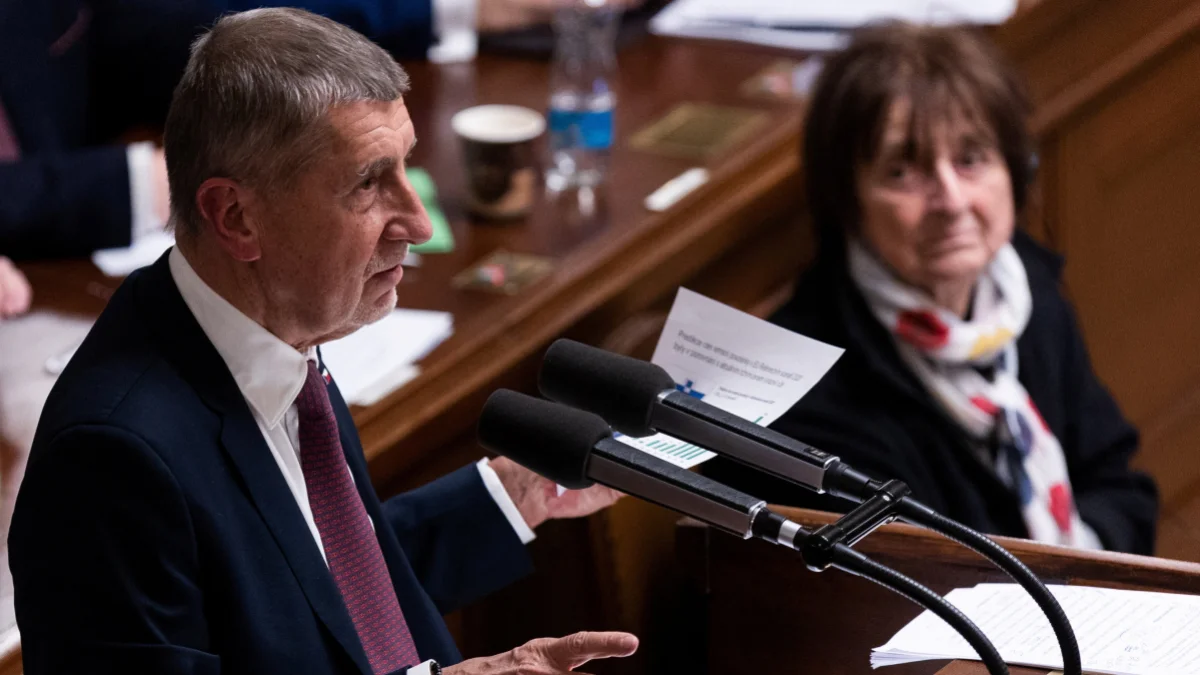
The Portuguese parliament has passed a significant bill in its first reading aimed at ensuring the safety of children in the digital environment. According to the Operative Information Center-OMM, the new regulations will require teenagers between the ages of 13 and 16 to obtain formal parental consent before opening social media accounts.
This initiative is considered one of the first major legislative steps in Europe to regulate children's internet activities. The bill, drafted by the ruling Social Democratic Party (PSD), aims to protect minors from cyberbullying, harmful content, and online crimes. Parents will manage the consent process through a state digital system called "Digital Mobile Key" (DMK). This system will also strengthen the enforcement of existing bans on children under 13 accessing social media, video and photo-sharing platforms, and online betting sites.
The bill was approved in parliament with 148 votes in favor and 69 against. PSD lawmaker Paulo Marcelo stated that the goal is not to impose a total ban, but rather to empower parents to accompany their children in the digital world. Similar restrictive measures are being observed globally; for instance, Australia has already banned those under 16 from using platforms like "Facebook", "Snapchat", "TikTok", and "YouTube", while France is working on analogous restrictions for children under 15.
The move reflects a growing international trend toward stricter digital safety standards for minors. As digital literacy and online protection become central themes in European governance, Portugal's legislative approach serves as a potential model for other European Union member states seeking to balance digital freedom with the protection of vulnerable age groups from the risks associated with unregulated social media exposure.