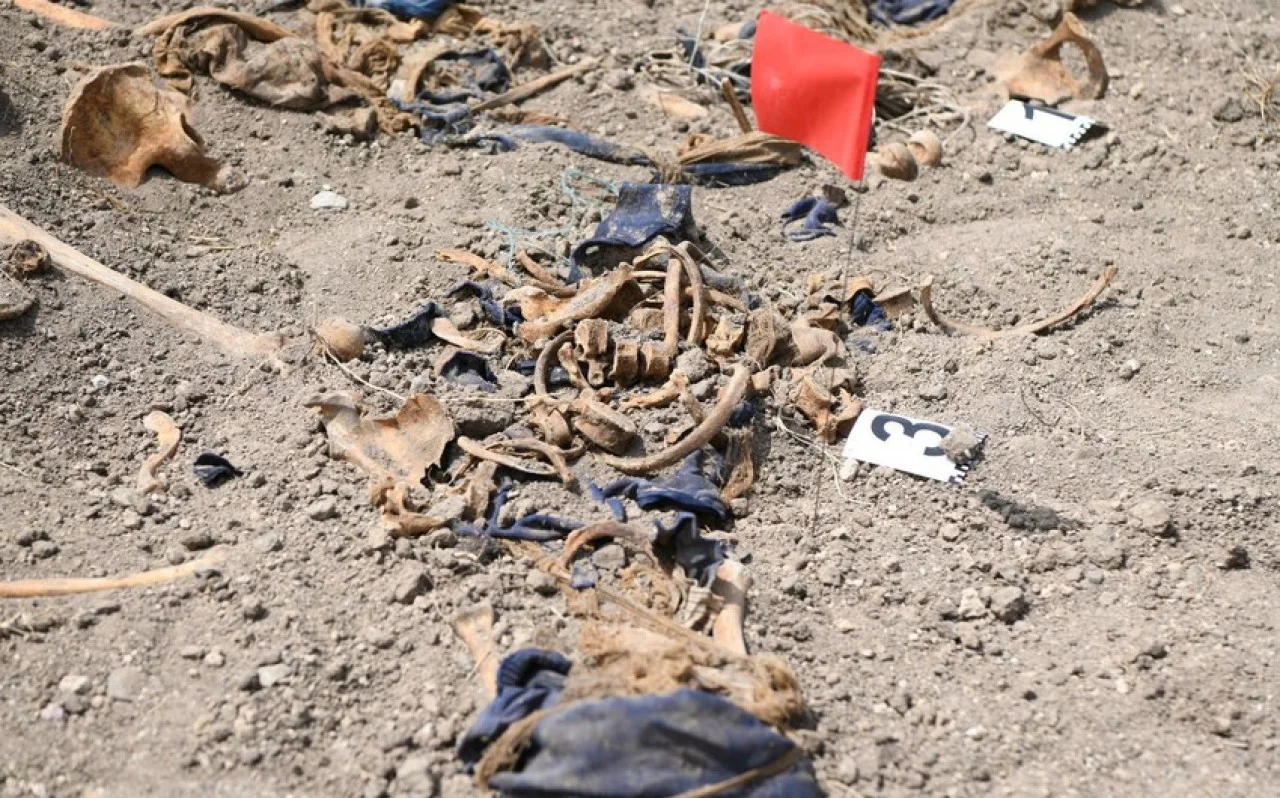
The remains of several missing martyrs, whose identities have been confirmed, will be handed over to their families in the coming days.
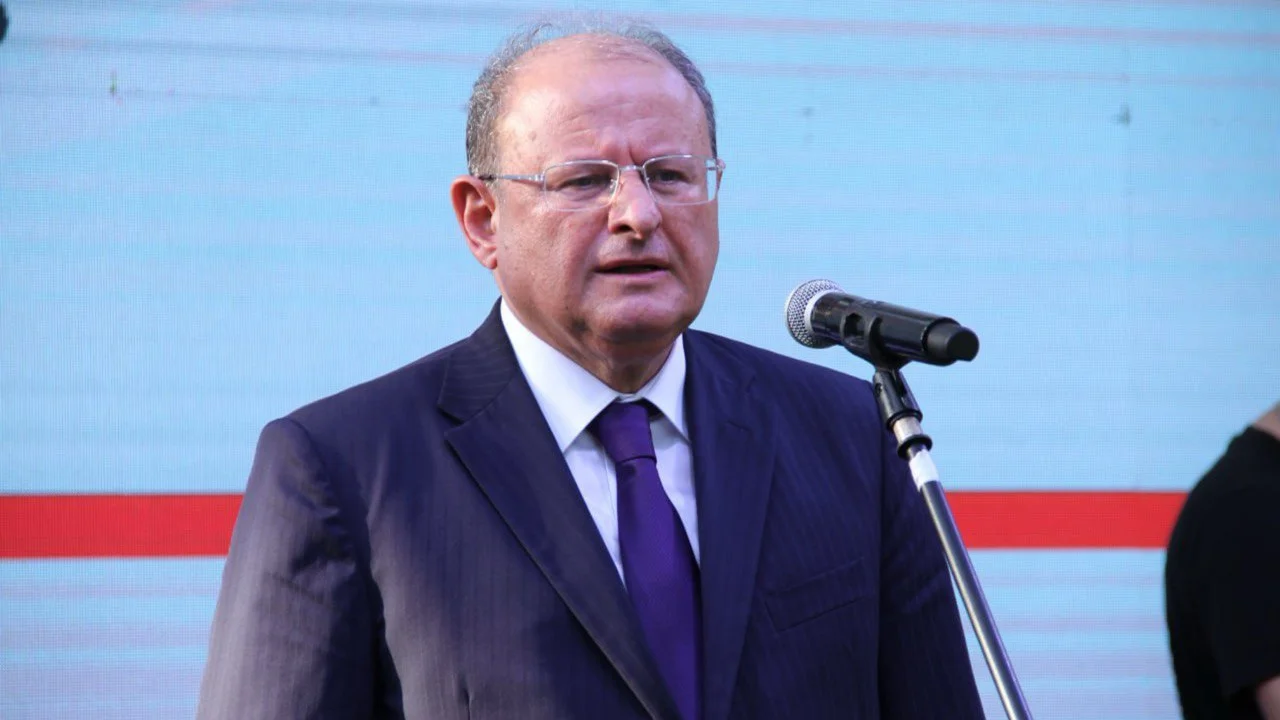
Operative Information Center-OMM reports that this was announced by Lieutenant General Sharafat Hasanov, Deputy Head of the State Security Service (SSS), during an international conference titled "Modern Approaches and Strengthening Cooperation in Solving the Issue of Missing Persons."
The General emphasized that determining the fate of citizens who went missing as a result of Armenia's military aggression against Azerbaijan remains a complex challenge. This is due not only to the extensive contamination of territories with mines and unexploded ordnance during the 30-year occupation but also to the widespread destruction of infrastructure, settlements, landscapes, and even burial sites. Furthermore, the Armenian side continues to withhold critical information regarding the locations of burial sites.
General Hasanov noted that following the 44-day Patriotic War, high-ranking Armenian military officials—including former Deputy Defense Minister and later Member of Parliament Gagik Melkonyan, as well as Samvel Babayan—have publicly claimed to possess information regarding the burial sites of missing Azerbaijani soldiers. Despite these admissions, this vital information has yet to be provided to the Azerbaijani side.
"Even former Armenian Deputy Defense Minister General Manvel Grigoryan did not hesitate to admit in media interviews that he personally held Azerbaijani prisoners of war," the General stated. "We believe that all these actions are not only contrary to universally accepted principles of humanism but also pose a direct threat to international humanitarian law norms."
The issue of missing persons remains a significant humanitarian priority for Azerbaijan in the post-conflict period. Since the liberation of the occupied territories, the government has been actively engaged in search operations, forensic identification, and diplomatic efforts to compel Armenia to disclose the locations of mass graves and burial sites, which is essential for providing closure to the families of the victims.