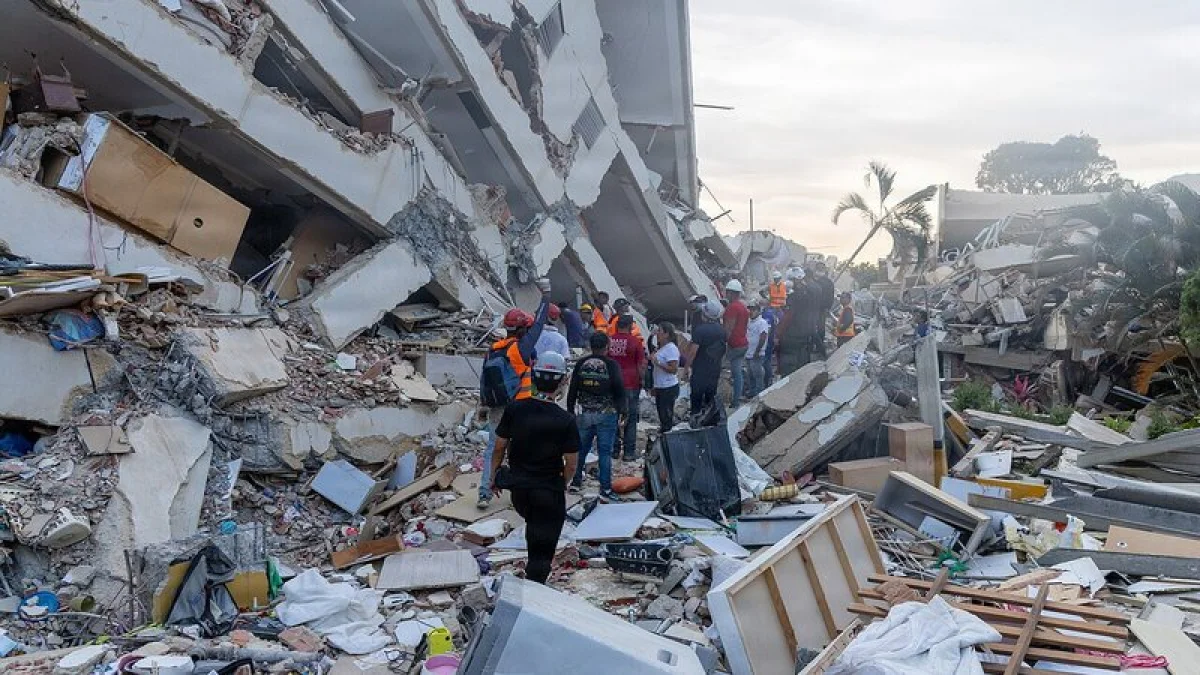
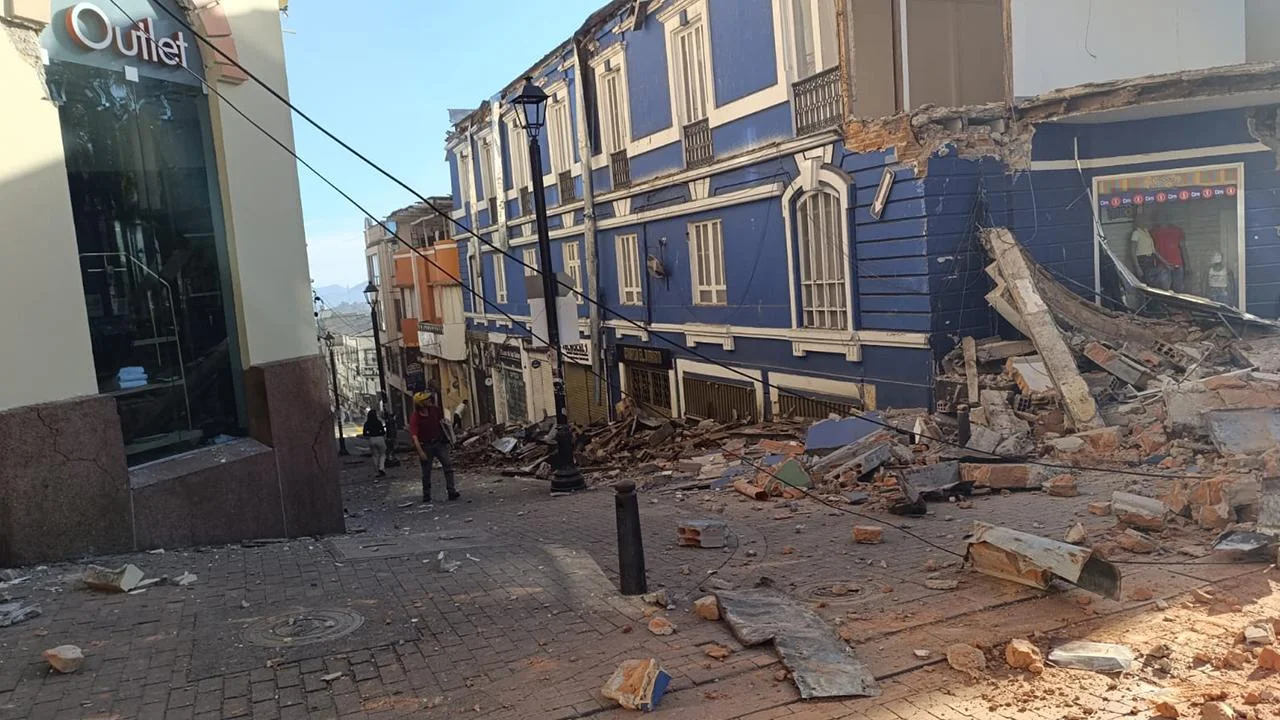
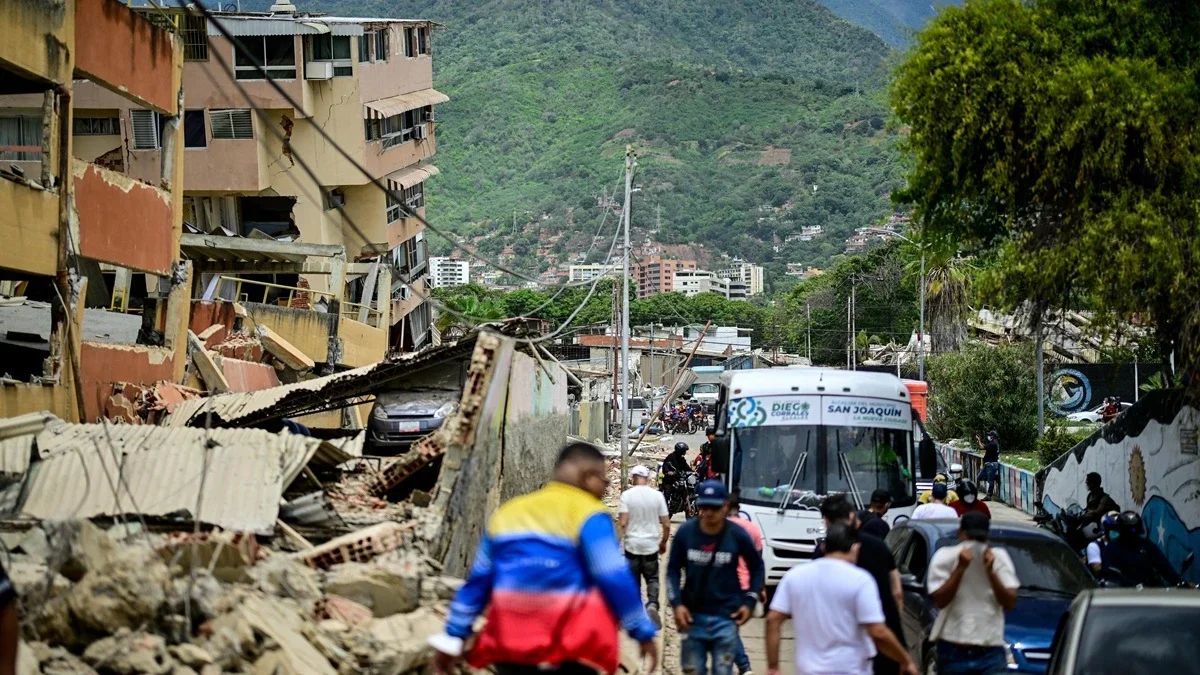
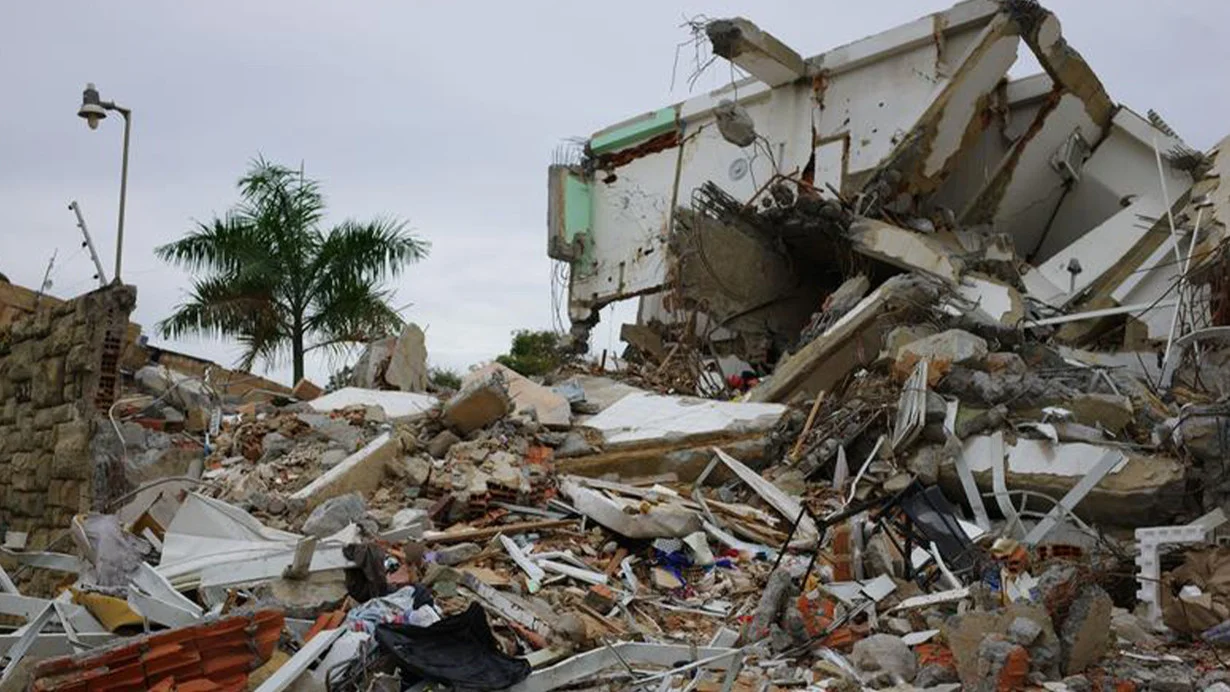
The aftermath of the powerful earthquake in Colombia remains severe, with the death toll from the natural disaster reaching 289 people.
According to the Operative Information Center-OMM, Colombian President De la Espriella addressed the nation, observing a minute of silence for the victims and stating that the loss is beyond words.
Official reports indicate that 4,187 people were injured, and 143 remain missing. The disaster affected 15 provinces and 450 municipalities, causing significant damage to approximately one-third of the country's territory.
Data shows that more than 120,000 families have been registered as affected. Over 26,000 homes have been completely destroyed, while more than 127,000 residential buildings have been rendered uninhabitable.
Preliminary assessments estimate the direct material damage caused by the earthquake at approximately 30 trillion Colombian pesos, or $9.5 billion.
Search and rescue operations are currently ongoing in the affected regions. President De la Espriella announced that all available resources have been mobilized to locate survivors.
To coordinate reconstruction efforts, the government has established the "Miracle Fund" (Fondo Milagro). Officials stated that the fund will utilize experience gained from recovery efforts following the 1999 earthquake.
The government plans to provide rental assistance to citizens left homeless by the earthquake, implement discounts on utility services, and launch programs to provide new housing. The Colombian President has also called on the private sector and financial institutions to support the recovery process for those affected by the disaster.
Colombia, located in a seismically active region along the Pacific Ring of Fire, frequently faces tectonic activity. The country's history includes several major seismic events that have shaped its current disaster management and urban planning policies.