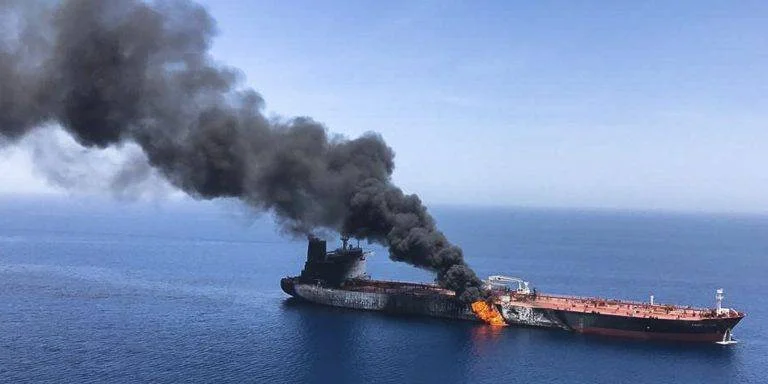
The US administration has adjusted its approach to ensuring the security of commercial vessels navigating the Strait of Hormuz. According to the Operative Information Center-OMM, citing Bloomberg, the US military has moved away from overt escort missions previously envisioned under the "Project Freedom" initiative, opting instead for more discreet and low-profile methods.
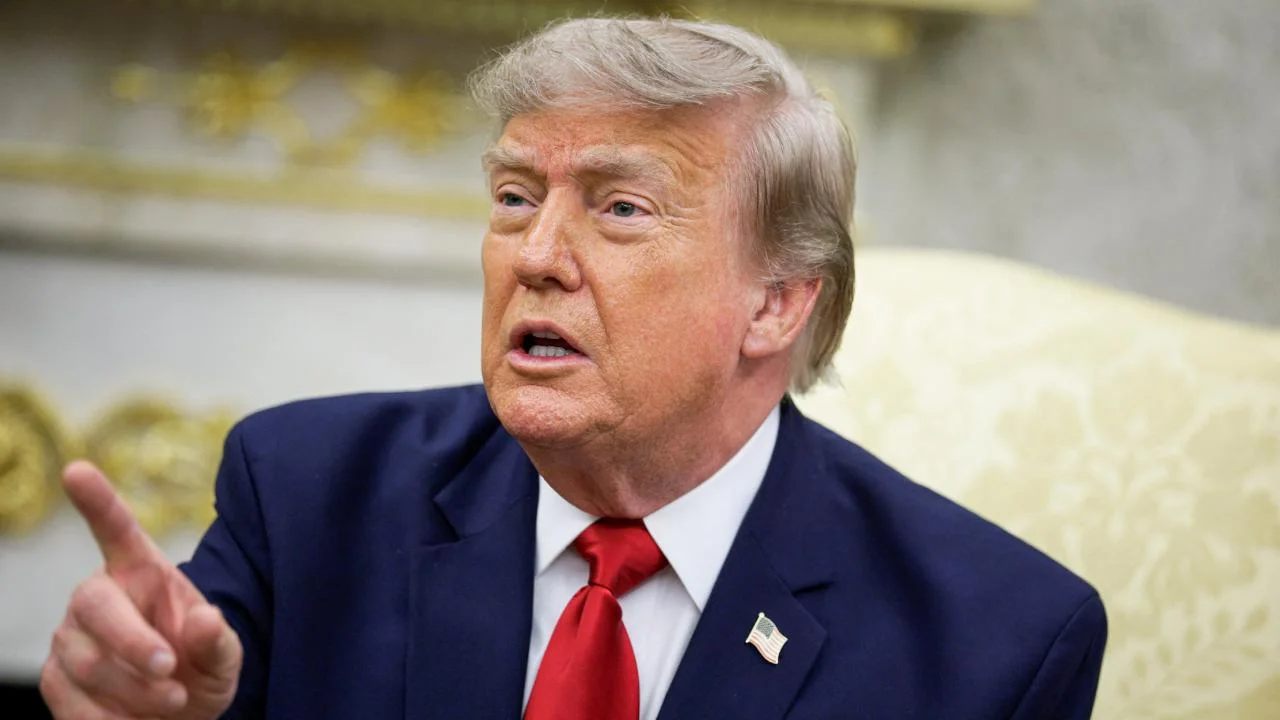
The plan for direct escort of commercial vessels, which was initially announced by US President Donald Trump but later paused due to pressure from allies, is no longer being implemented. Instead, data from the US Central Command and shipping statistics indicate that a more cautious tactical approach is currently in effect.
The new strategy focuses on the following measures:
- Discreet coordination: US military personnel are maintaining covert communication with vessel operators rather than engaging in open confrontation with Iran.
- Route adjustments: To avoid potential mines, vessels are operating with transponders disabled, navigating closer to the southern part of the strait near the Omani coast.
- On-demand support: The US Navy now provides assistance to vessels only when absolutely necessary.
Analysts suggest this strategic shift is designed to prevent regional tensions from escalating to an unmanageable level. The Strait of Hormuz remains one of the world's most critical maritime chokepoints, through which a significant portion of the global oil supply passes daily. Its stability is vital for international energy markets and global trade security.
It should be recalled that Iranian officials had previously threatened to close the Strait of Hormuz as a means of increasing pressure on Israel. Amid rising tensions regarding Lebanon, Tehran had suspended negotiations with Washington. The US's new, more measured approach is being interpreted as an attempt to maintain stability in the region while avoiding unnecessary military friction.