Afət Ziyadqızı

Satellite imagery and maritime analysis indicate that a naval blockade implemented by the United States is severely obstructing the delivery of Iranian crude oil to international customers.
Operative Information Center-OMM reports, citing Bloomberg, that the blockade has effectively paralyzed Tehran's primary export routes, leaving a significant portion of its fleet unable to navigate toward global markets.
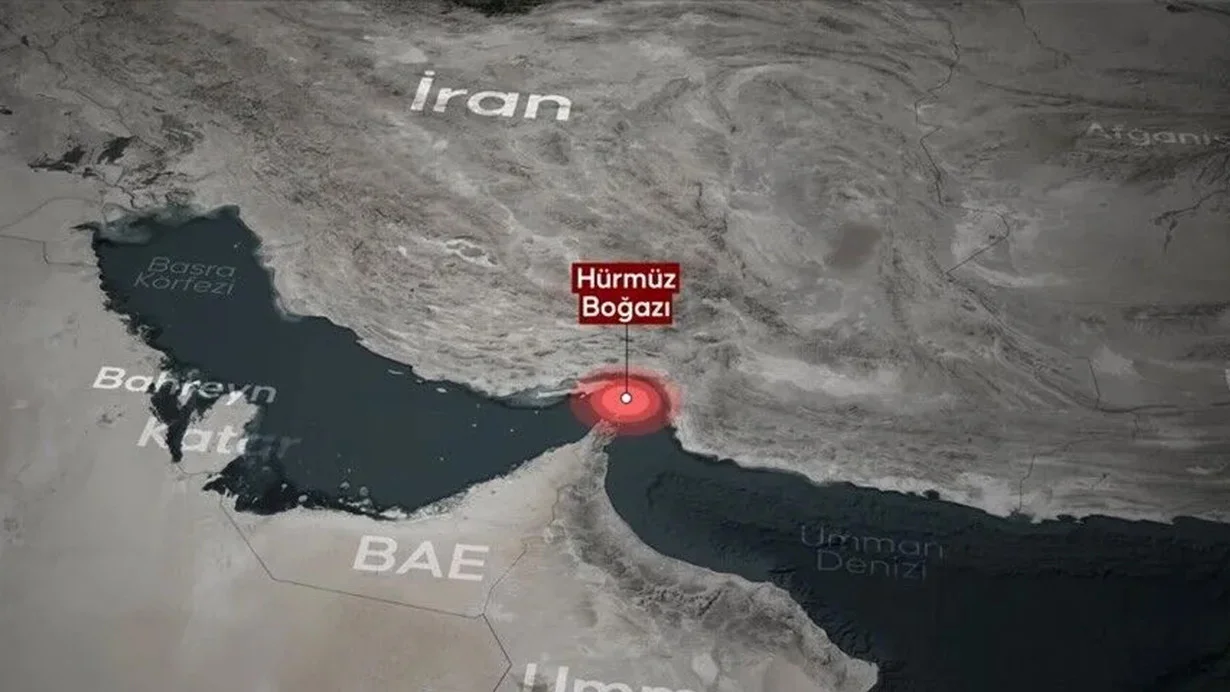
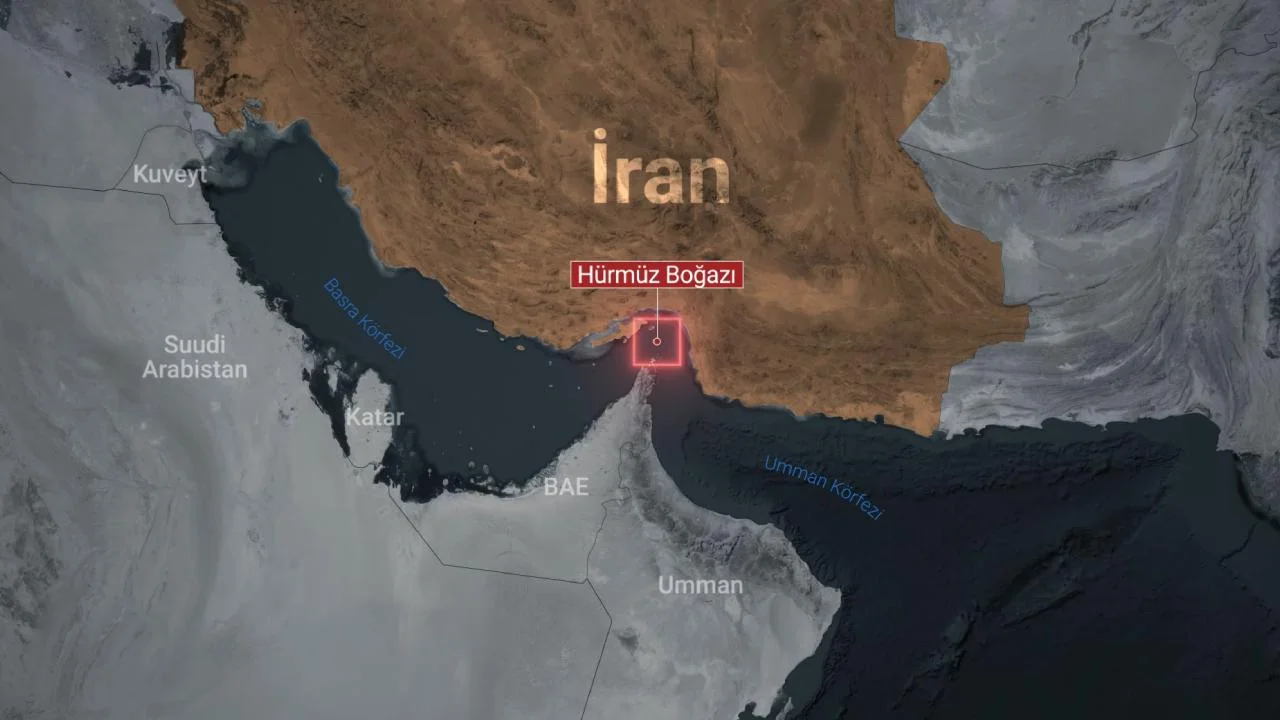
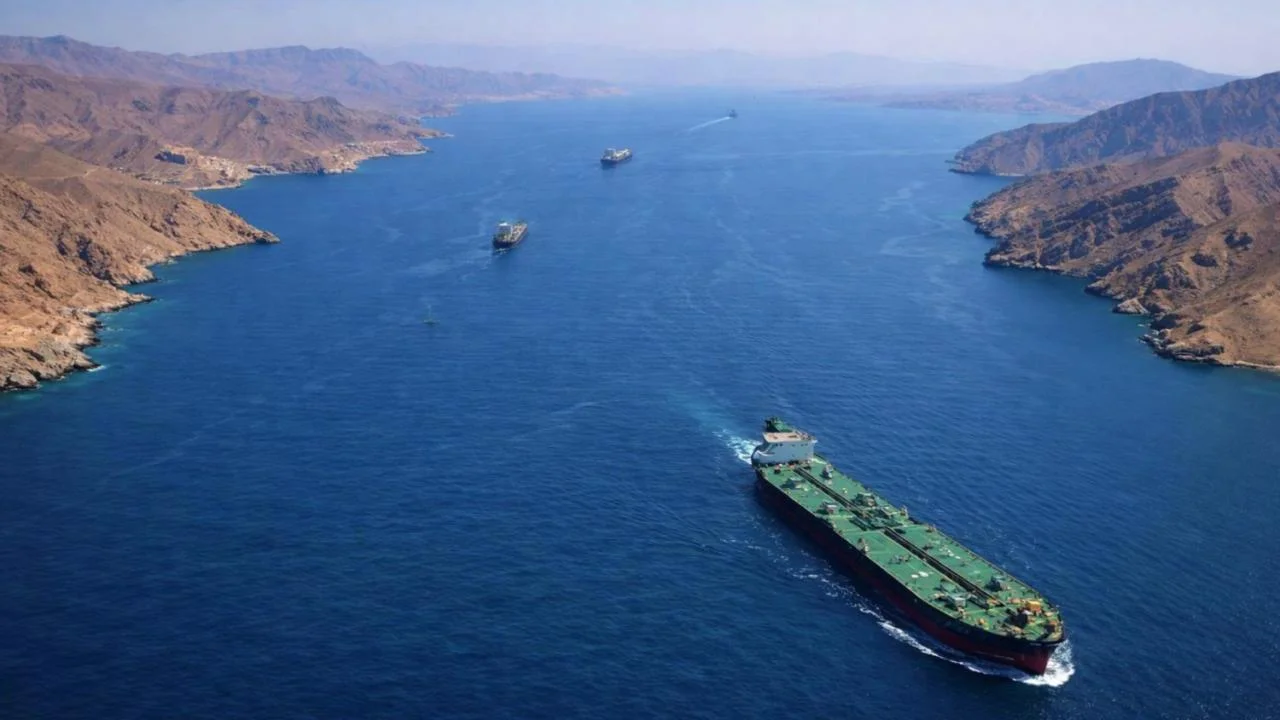
According to the report, as of late last week, approximately six to eight supertankers loaded with Iranian oil remained stationary near the port of Chabahar, located just outside the Persian Gulf blockade line. This development follows the seizure of two large crude oil tankers by the US Navy in the preceding week. While data suggests that Iran continues to load vessels at its terminals, maritime traffic through the strategic Strait of Hormuz has reportedly dropped to near-zero levels.
The Strait of Hormuz is considered the world's most important oil transit chokepoint, through which a significant portion of global energy supplies passes daily. Industry analysts warn that if the current situation persists, Iran's domestic storage facilities will soon reach full capacity, potentially forcing the country to halt oil production entirely. These measures align with the intensified economic pressure campaign led by US President Donald Trump, aimed at restricting Tehran's energy revenues and regional influence.