Azerbaijan's large-scale reconstruction, sustainable peace, and development processes within its territories serve as a global benchmark for infrastructure restoration, community reintegration, and unlocking economic potential.
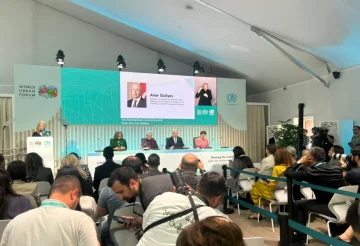
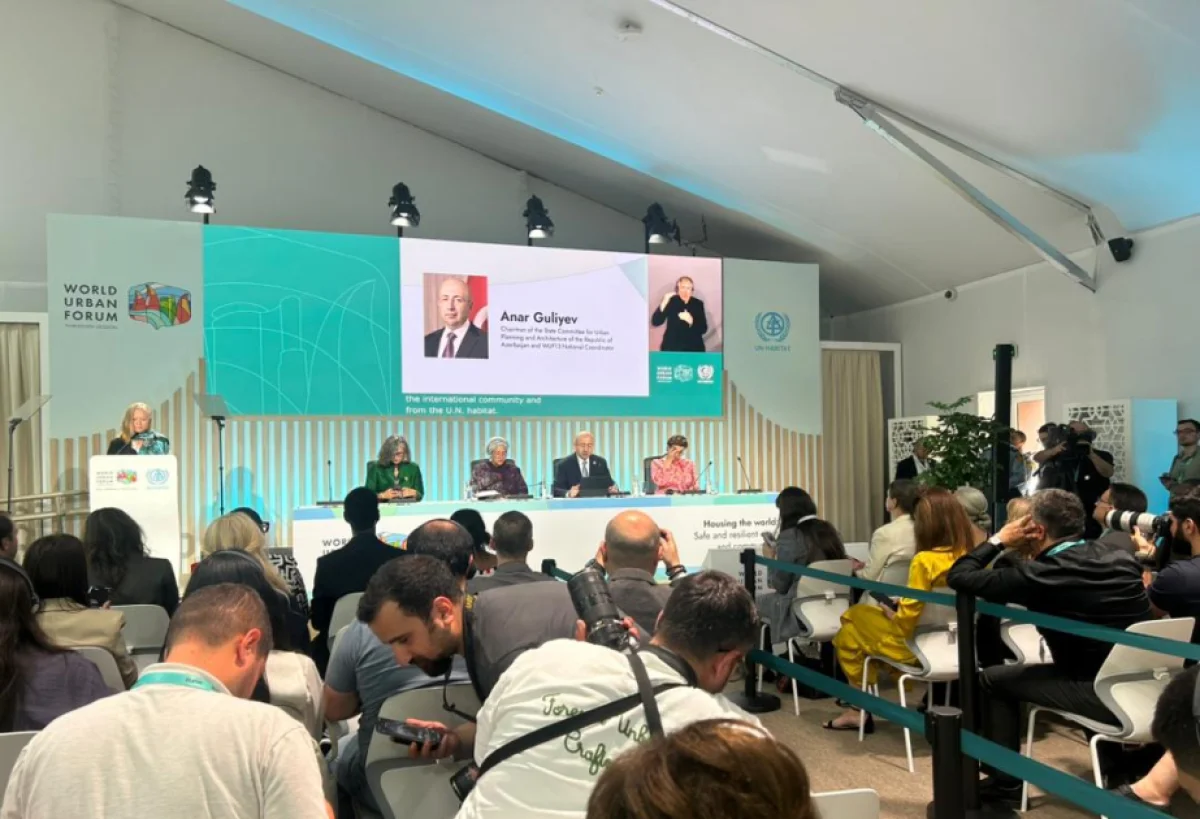
According to Operative Information Center-OMM, these remarks were made by UN Deputy Secretary-General Amina Mohammed during the official closing press conference of the 13th session of the UN World Urban Forum (WUF13).
The UN official noted that the world is currently facing multiple interconnected crises, including climate change, conflicts, inequality, housing insecurity, and mounting debt pressures. According to her, these challenges limit the financial capacities of states, making it difficult to invest in affordable housing, resilient infrastructure, and essential services. Amina Mohammed emphasized that the forum once again demonstrated the critical role of multilateral cooperation, multi-level governance, and local action in overcoming these global hurdles.
The restoration activities in Azerbaijan's liberated territories, particularly in the Garabagh and East Zangazur regions, involve the implementation of "smart city" and "smart village" concepts. Since the end of the 44-day war in 2020, the Republic of Azerbaijan has prioritized the return of internally displaced persons to their ancestral lands, supported by the rapid construction of international airports, highways, and sustainable energy grids. This systematic approach to post-conflict recovery is increasingly recognized by international organizations as a unique model for urban planning and regional stabilization.