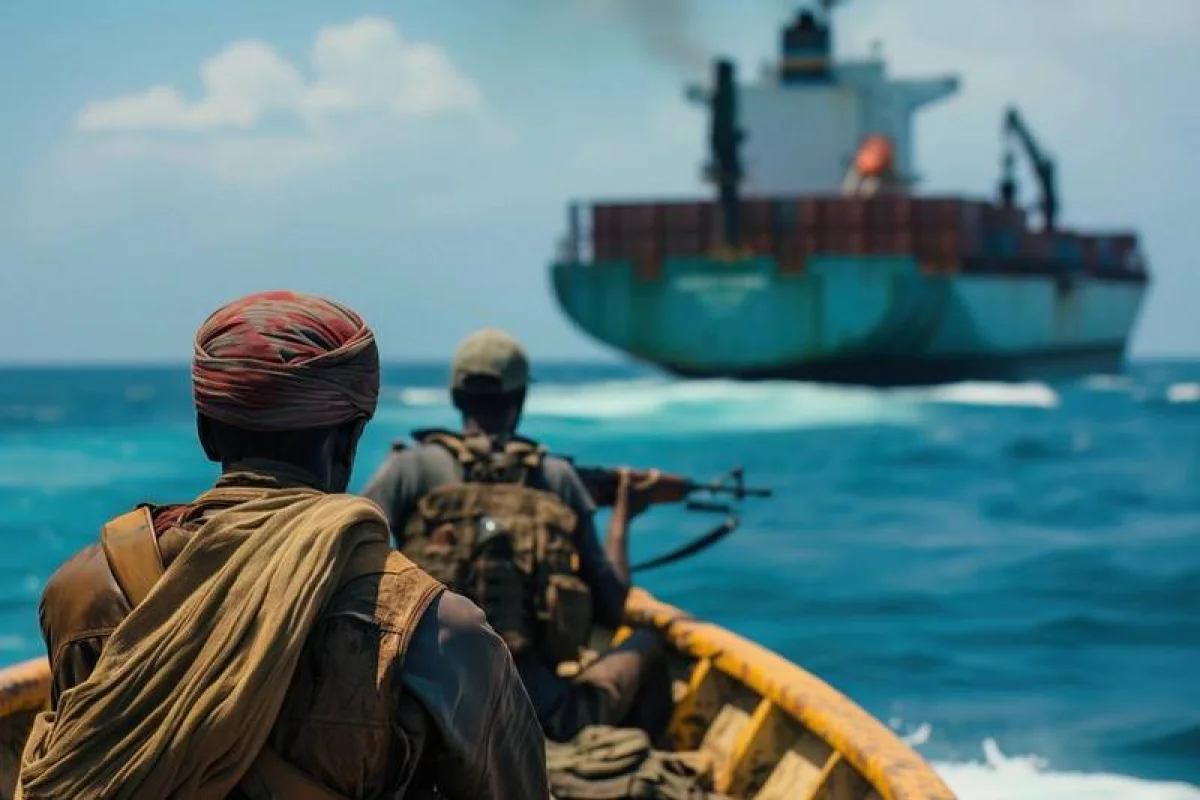
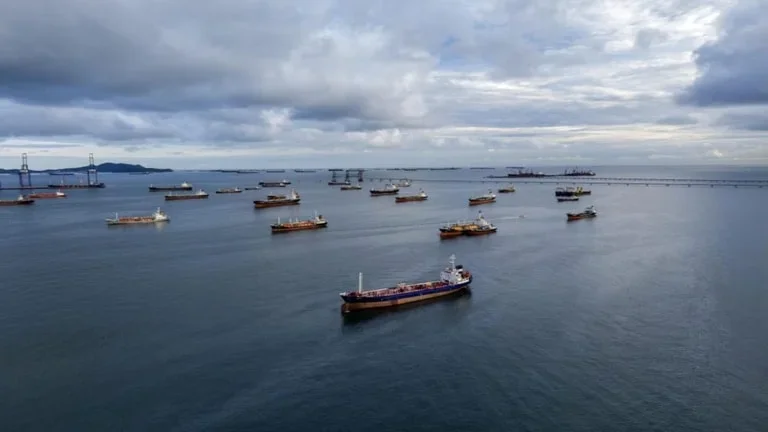
A third tanker has successfully navigated the Strait of Hormuz despite the ongoing blockade imposed by the United States Air Force. According to Operative Information Center-OMM, citing data from global tracking systems MarineTraffic and Kpler via Al-Jazeera, the vessel managed to pass through the strategic waterway without incident.
The Panamanian-flagged tanker, identified as the "Peace Gulf", is currently en route to the Hamriyah port in the United Arab Emirates (UAE). This follows the passage of two other tankers earlier this week. Officials noted that the blockade enforced by the United States does not apply to these three vessels as their destinations are not Iranian ports, allowing them to maintain international maritime transit routes.
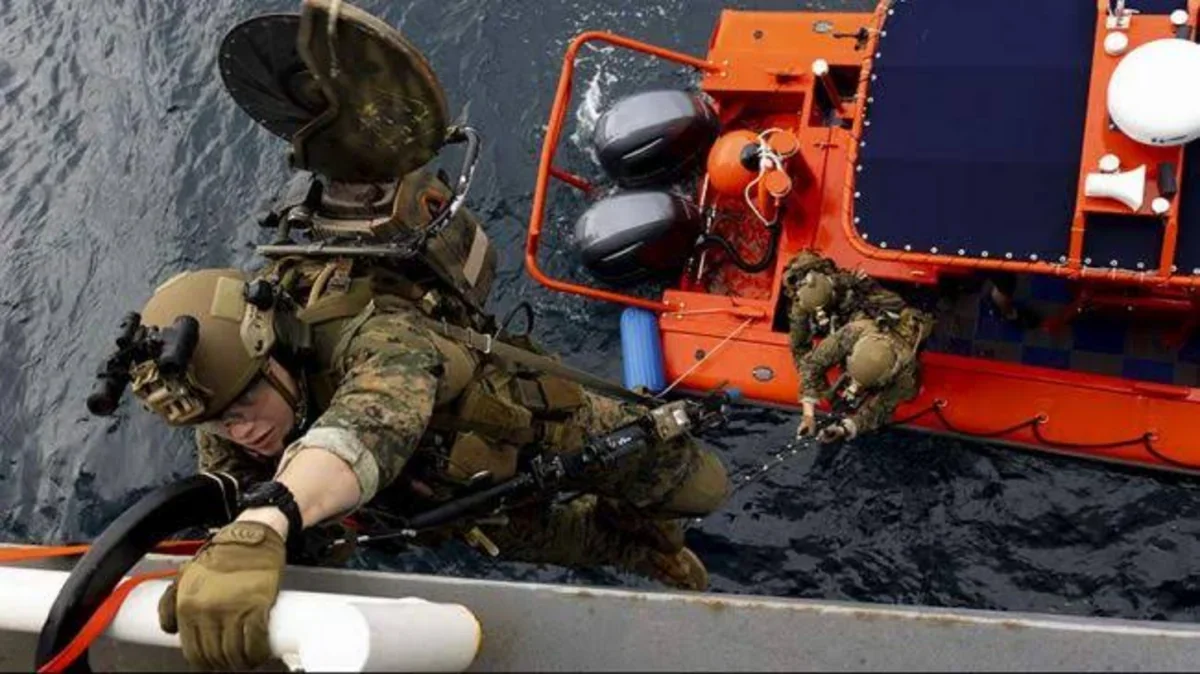
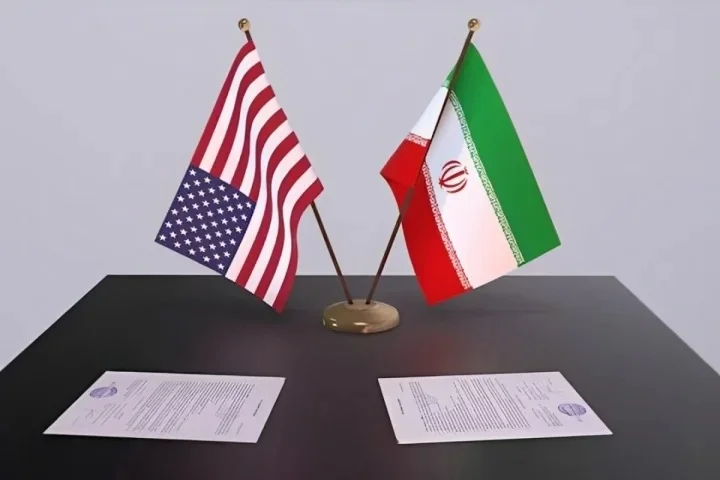
The current military escalation began on February 28, when the United States and Israel launched military operations against Iran, resulting in the deaths of Supreme Leader Ayatollah Ali Khamenei and several high-ranking officials. In response, Iran initiated strikes against targets in Israel as well as Saudi Arabia, Qatar, UAE, Oman, Bahrain, Iraq, and Cyprus, where US and allied military bases are located. Although a two-week ceasefire was reached on April 8, 2026, subsequent negotiations in Islamabad mediated by Pakistan ended without a permanent agreement. Consequently, US President Donald Trump announced the commencement of a naval blockade of Iranian ports in the Strait of Hormuz effective April 13 at 10:00 AM Eastern Time (18:00 Baku time).
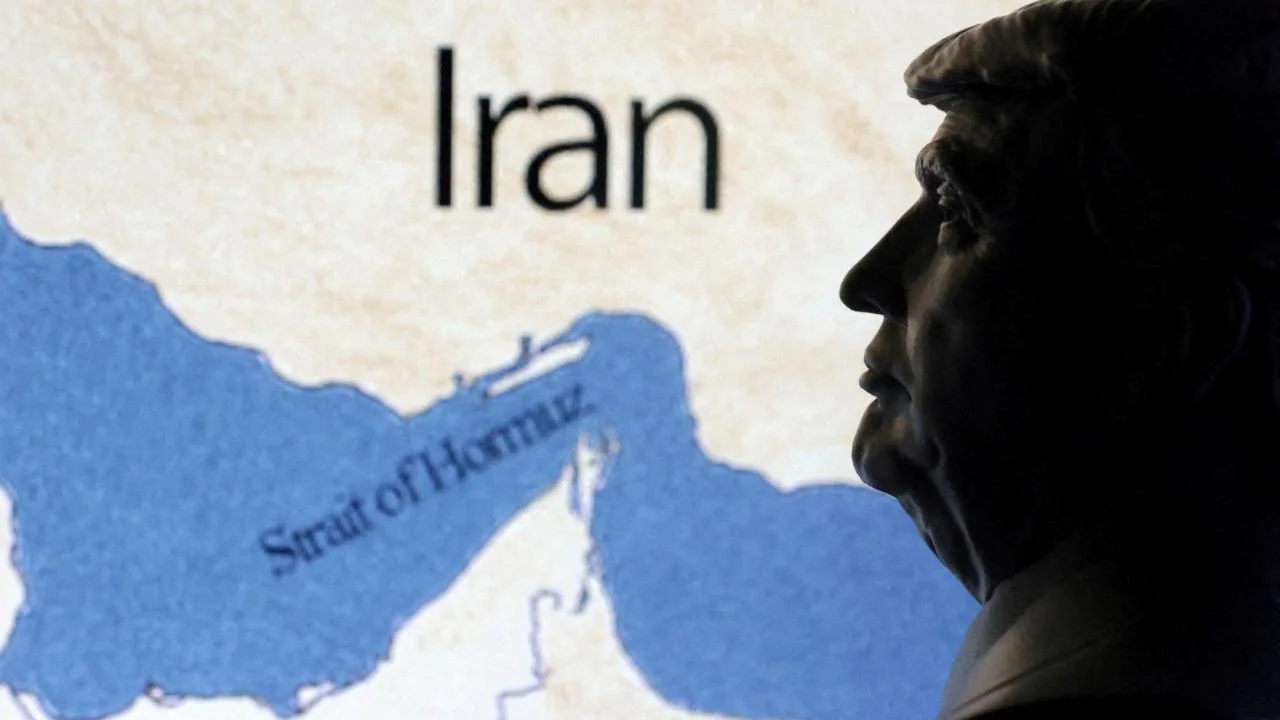
The Strait of Hormuz is one of the world's most vital maritime chokepoints, through which approximately one-fifth of the world's total oil consumption passes daily. Located between the Persian Gulf and the Gulf of Oman, it serves as the primary artery for energy exports from the Middle East to global markets. Any disruption in this region significantly impacts global energy security and international shipping insurance rates, making the current blockade a focal point of international geopolitical concern.