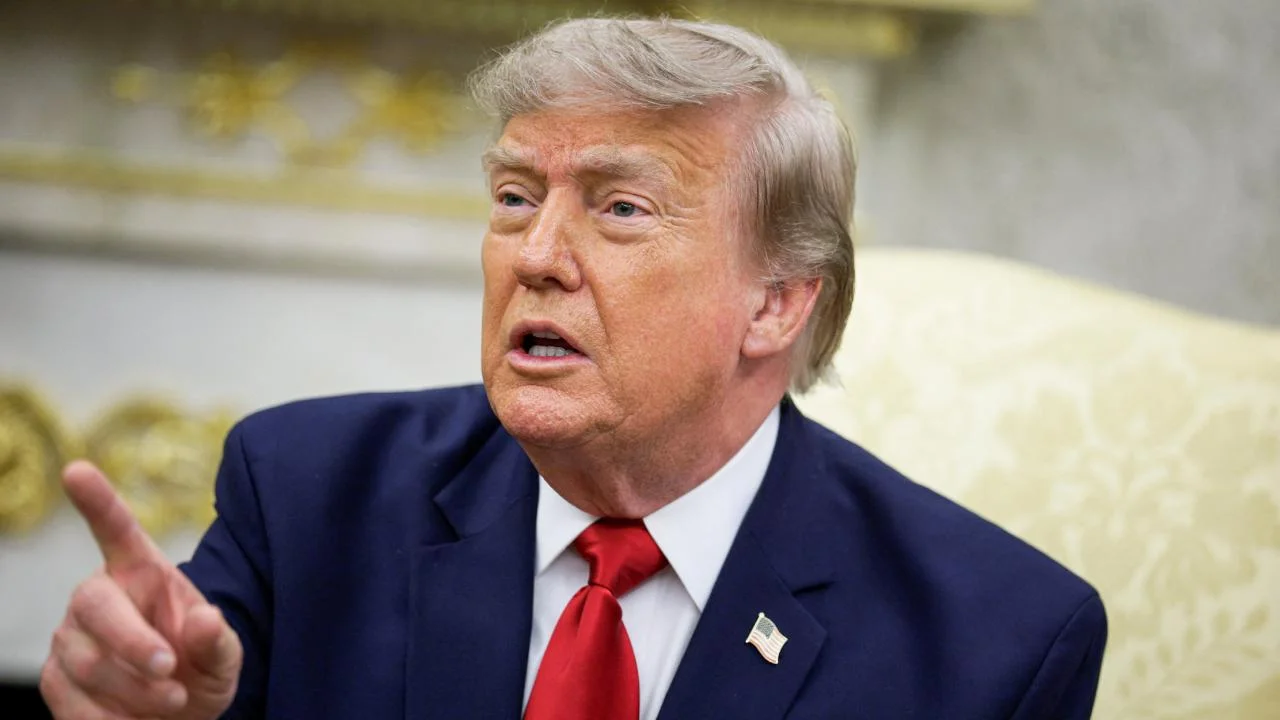
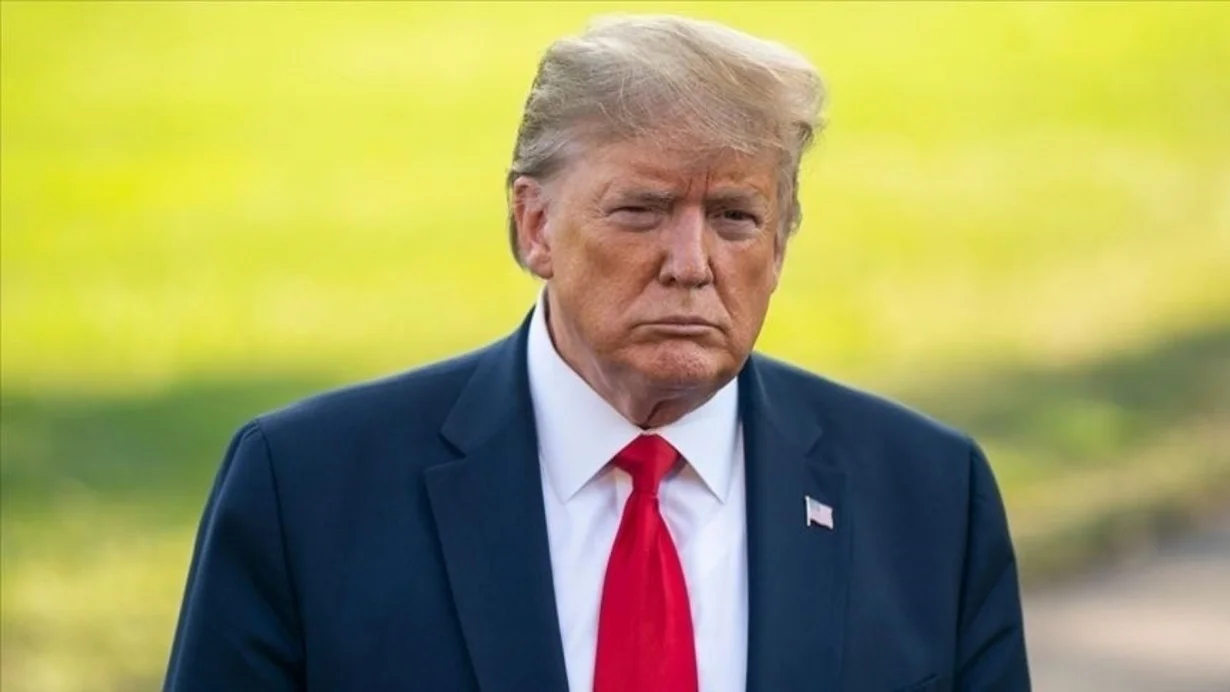
The foreign policy approach of US President Donald Trump regarding Iran has faced significant scrutiny from international observers and policy experts. According to a report by The New York Times, which cites various foreign policy analysts, the current administration is struggling to effectively manage the escalating tensions in the Middle East.
While US President Donald Trump has frequently claimed success in his administration's approach, experts argue that the reality on the ground presents a more complex picture. Matthew Bartlett, a Republican strategist and former State Department official, stated that the US currently lacks a concrete plan to either achieve a decisive victory or to facilitate a strategic exit from the conflict.
According to Bartlett, the repetitive nature of the administration's rhetoric and practical actions is creating a concerning situation. He specifically criticized President Trump's calls for the Iranian populace to take control of their government, suggesting that such statements underscore a lack of a coherent, long-term strategy toward Tehran.
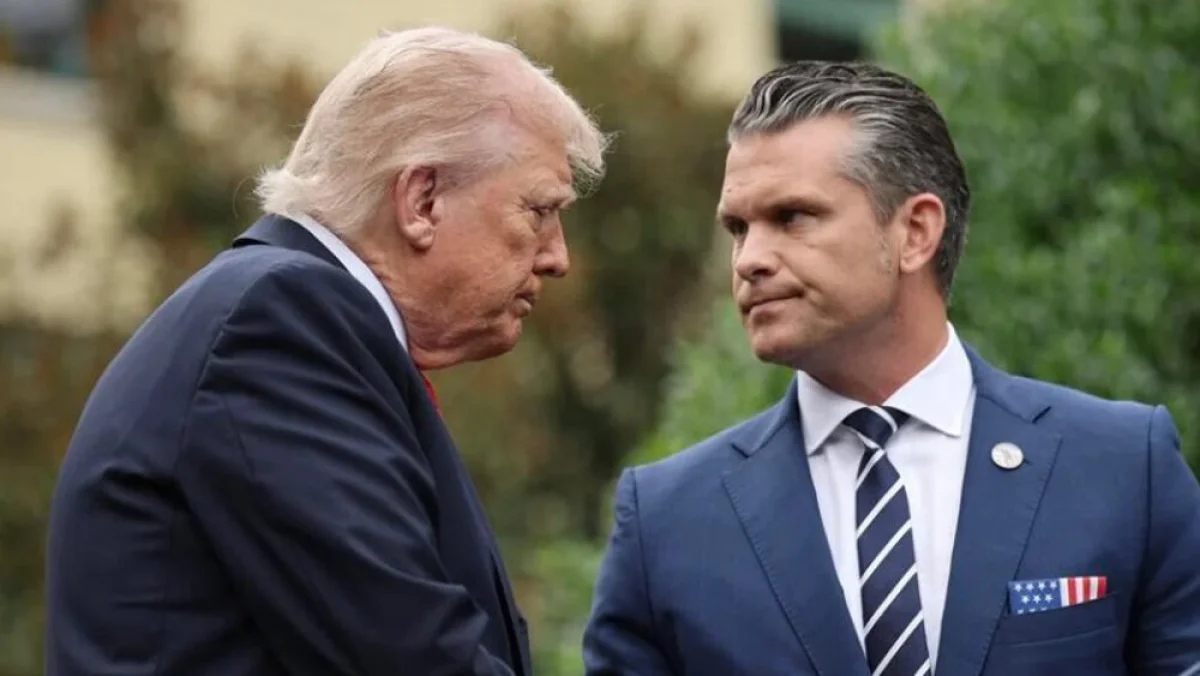
Amidst this ongoing friction, reports have emerged that US Defense Secretary Pete Hegseth has quietly extended the deployment duration for American troops stationed in the Middle East. Sources indicate that this move suggests the administration is preparing for the possibility that the conflict may persist well into the coming year.
The US-Iran relationship has been a central pillar of American foreign policy for decades, characterized by periods of intense diplomatic standoff, economic sanctions, and regional proxy conflicts. The current administration's approach continues to be a subject of intense debate among policymakers in Washington, as they weigh the risks of regional instability against the goals of their broader Middle East agenda.