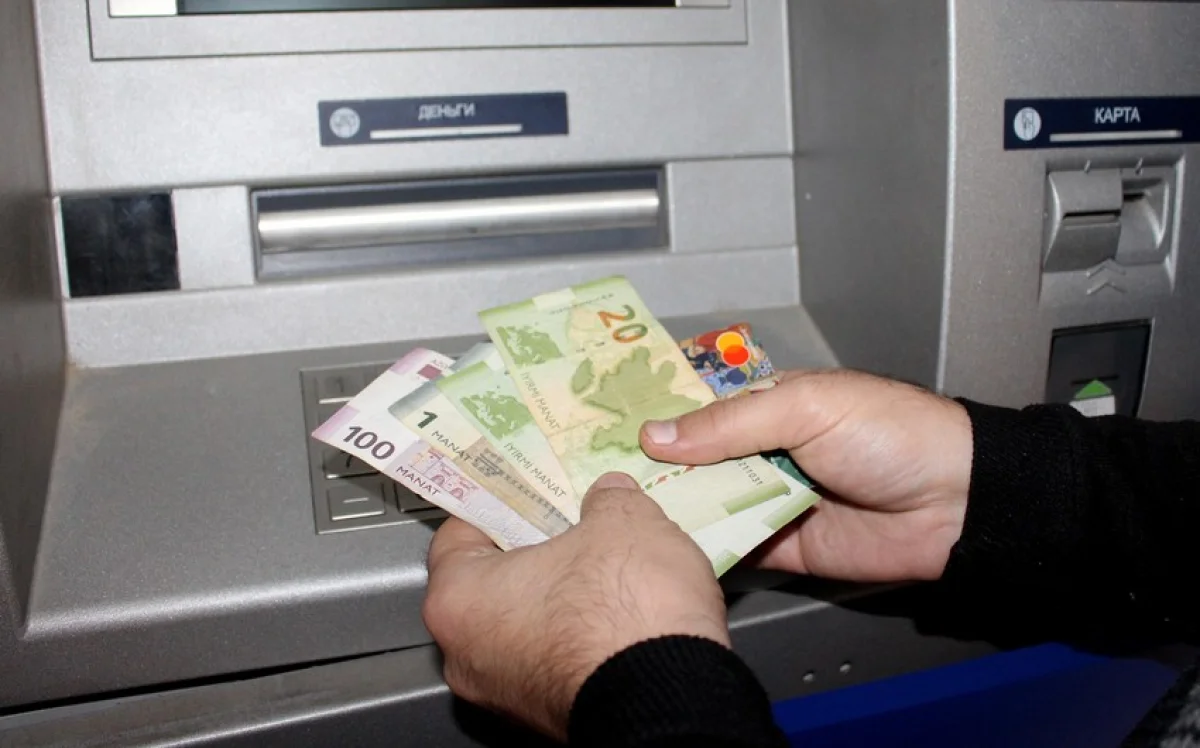
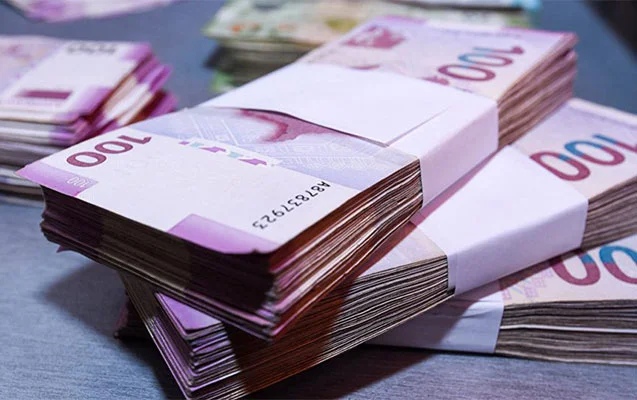
The average monthly pension in Azerbaijan has reached 593 AZN, while the average old-age pension has risen to 632 AZN following the latest adjustments in social payments.
Operative Information Center-OMM reports that these statistics were disclosed by Rashad Mustafayev, Deputy Minister of Labor and Social Protection of the Population, during a briefing held for media representatives. According to the deputy minister, there has been a consistent positive dynamic between 2018 and 2025, with the average monthly pension growing from 208 AZN to 543 AZN and the old-age pension increasing from 234 AZN to 578 AZN during that period.
Mustafayev emphasized: "The results achieved with the new increase mean that compared to 2018, the average monthly pension has increased 2.8 times, and the average old-age pension has increased 2.7 times." For the current year, the funds allocated for pension financing are projected at 7.993 billion AZN. This figure confirms a 2.3-fold increase in financial allocations compared to 2018.
Under the new decree, pension capitals recorded in the individual accounts of the insured until January 1, 2026, have also been increased by 5.6 percent, in accordance with the consumer price index of the previous year to account for inflation. This measure ensures that the purchasing power of future pensioners is maintained relative to economic shifts in Azerbaijan.
It should be noted that under the Decree of President Ilham Aliyev "On the Indexation of Labor Pensions," pensions are being increased by 9.3 percent effective from January 1 of this year, in line with the annual growth rate of the average monthly wage for 2025. This initiative is part of a broader social reform package aimed at improving the welfare of citizens and ensuring sustainable social security across the Republic of Azerbaijan.
The systematic increase in social payments reflects the government's priority to distribute economic gains among the population. These reforms are designed to provide a robust safety net for retirees, particularly in the context of global economic trends and domestic price stability efforts led by the Cabinet of Ministers.