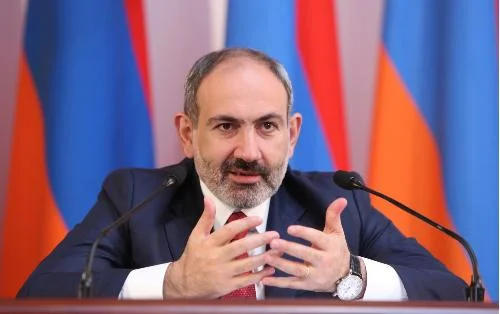
Armenian Prime Minister Nikol Pashinyan has stated that the strategic agreement reached between Armenia and Russia regarding natural gas prices cannot be unilaterally altered.
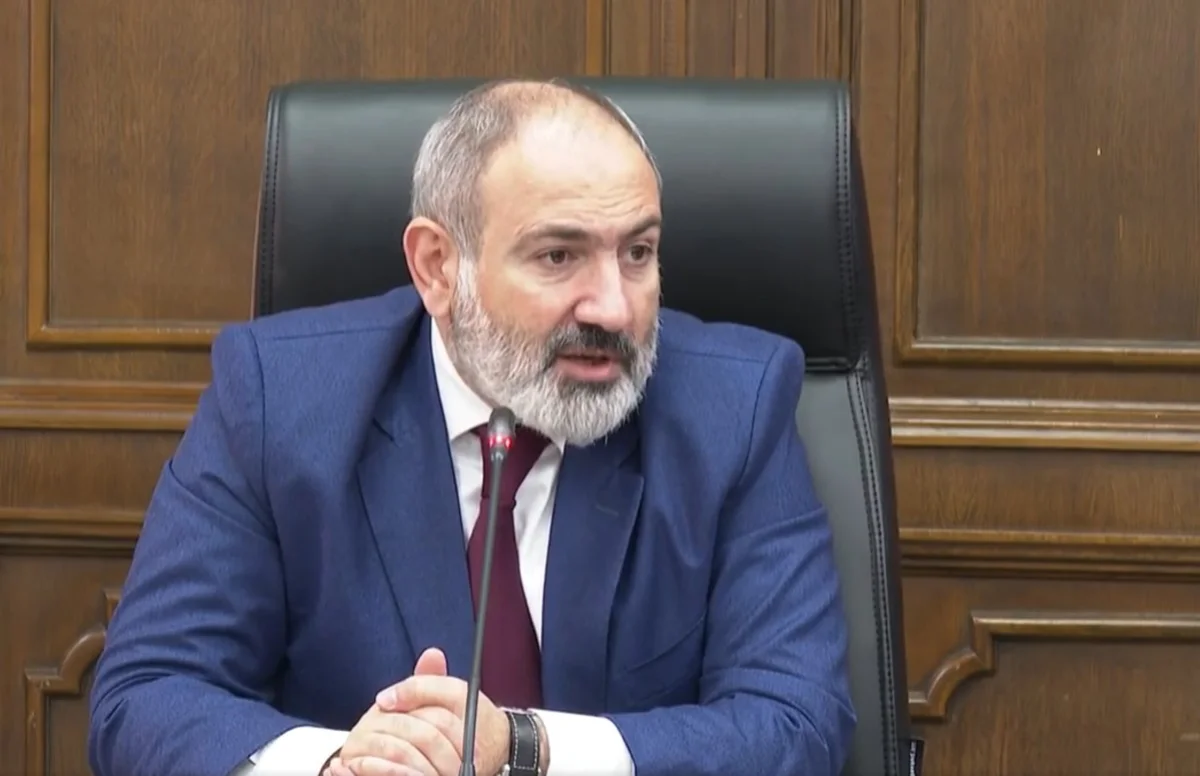
Operative Information Center-OMM reports that Pashinyan made these remarks during a recent press briefing. The Prime Minister emphasized that the possibility of a price hike for natural gas does not appear realistic, as there is a valid and binding contract currently in force between the two nations.
“Regarding the issue of gas price increases, this cannot happen. We have a contract, and this agreement is mutually beneficial. We have reached clear strategic agreements regarding gas prices, and they must be respected,” Pashinyan stated, addressing concerns over potential energy cost fluctuations.
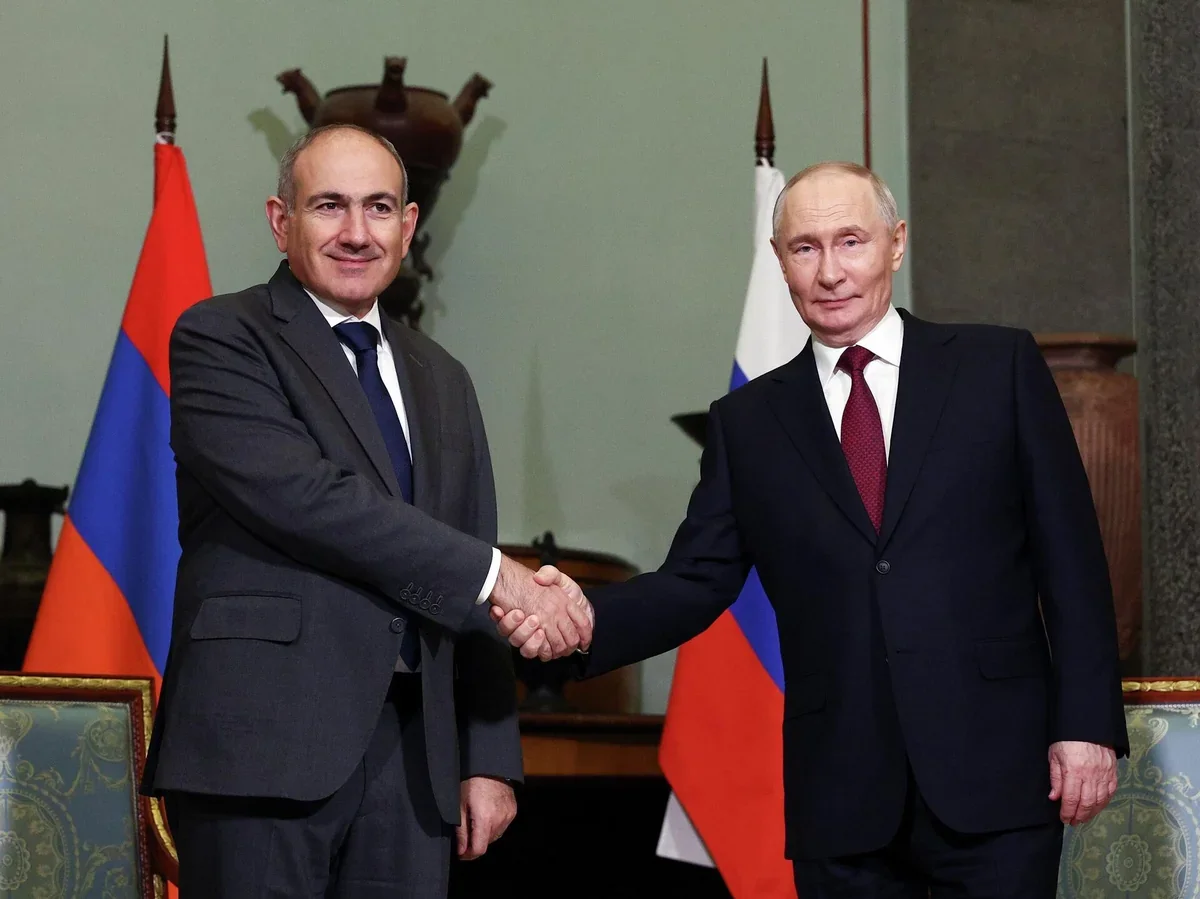
The statement follows a meeting on April 1, where Russian President Vladimir Putin pointed out the significant discrepancy between the price of Russian gas for Armenia and current European market rates. According to Putin, while gas prices in Europe exceed $600 per 1,000 cubic meters, Russia continues to supply gas to Armenia at a preferential rate of $177.50. This economic backdrop has led to increased political friction, with Armenian officials such as Alen Simonyan suggesting on April 4 that the country could consider withdrawing from the CSTO, EAEU, and other regional organizations should gas prices be forcibly increased. Furthermore, on May 21, Gevorg Papoyan indicated that Yerevan is developing various mechanisms to mitigate risks associated with potential price hikes.
Energy security remains a critical pillar of the bilateral relationship between Yerevan and Moscow, as Armenia is heavily dependent on Russian energy imports. The current pricing structure is governed by long-term bilateral treaties that link economic cooperation with regional security frameworks. Any shift in these economic terms often reflects broader geopolitical shifts in the South Caucasus, particularly as Armenia explores diversifying its foreign policy and security partnerships while maintaining its existing infrastructure ties to Russia.