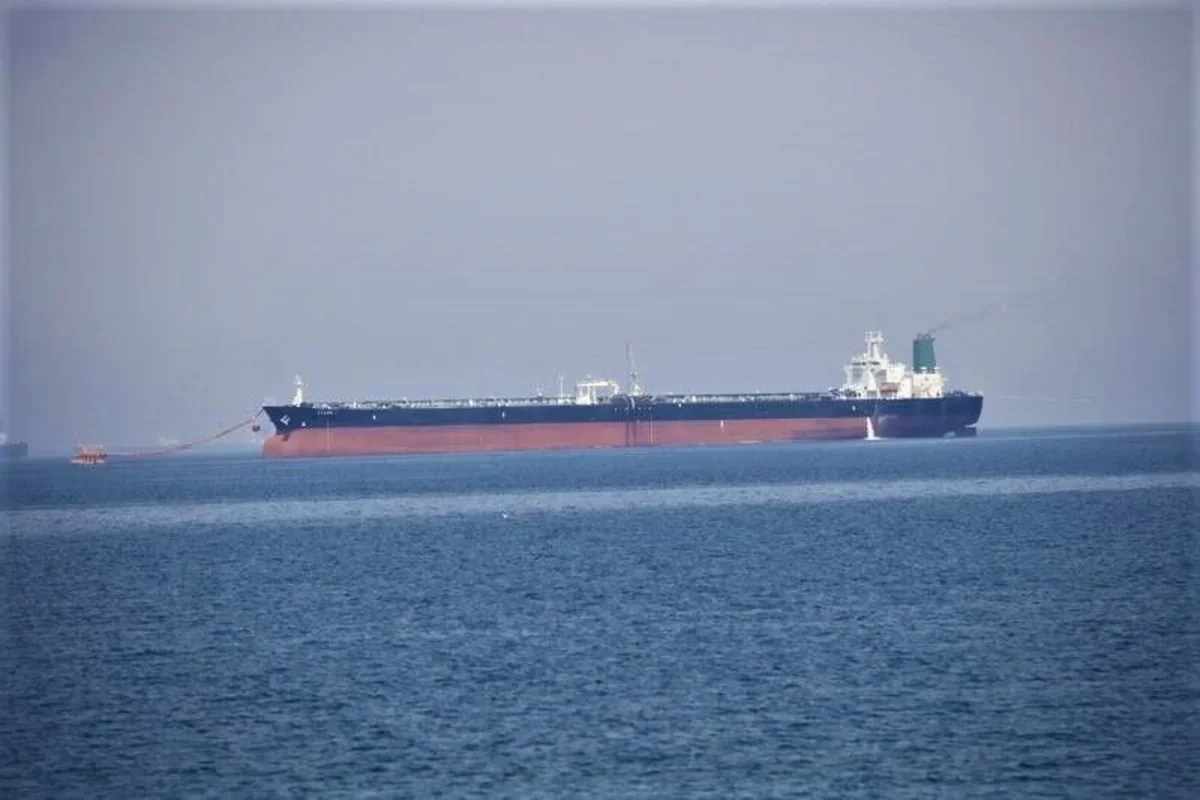
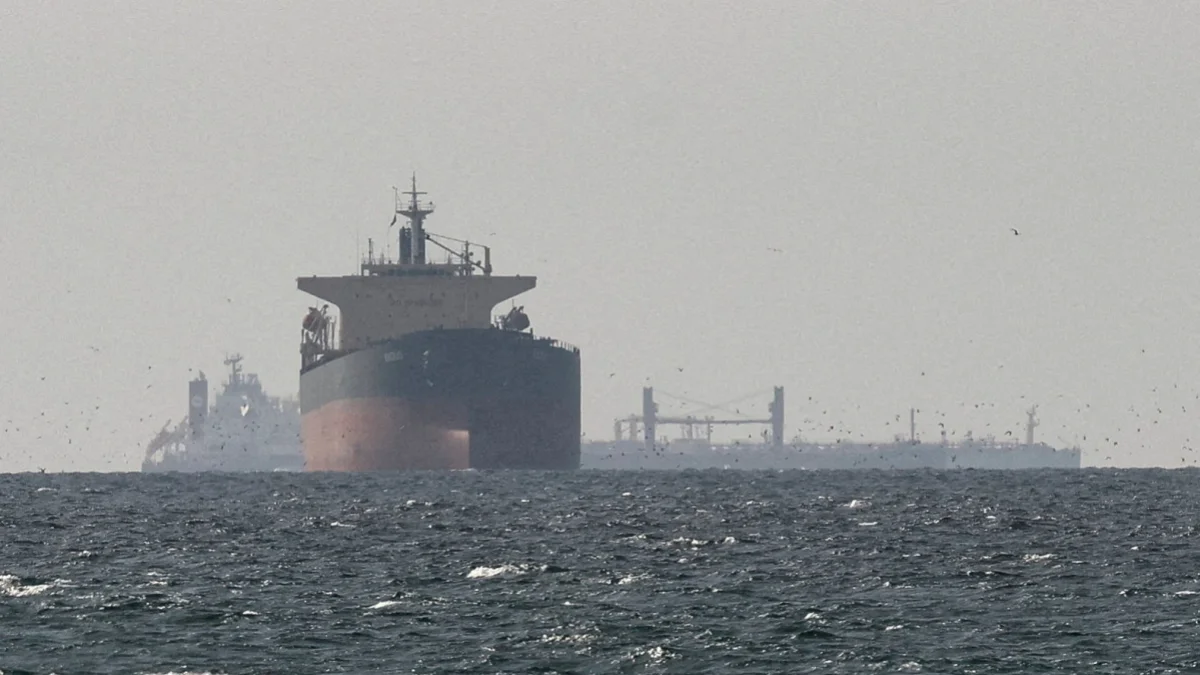
Shipping volumes through the strategically vital Strait of Hormuz have experienced a sharp decline as regional tensions escalate.
Operative Information Center-OMM reports, citing international media outlets, that maritime traffic through the strait has plummeted by 70% following the commencement of military operations by Israel and the US against Iran on February 28.
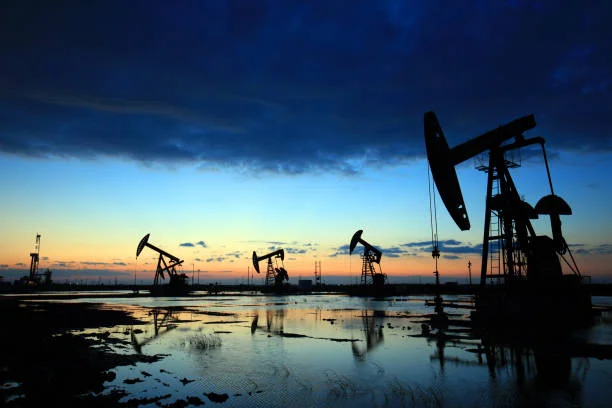
Data from the past three days indicates that numerous vessels have altered their routes, performed U-turns, reduced speeds, or made last-minute course corrections to avoid the volatile area. This disruption follows explicit warnings from Iran regarding the passage of ships through the waterway. The Strait of Hormuz is a critical chokepoint for global energy security, with approximately 20% of the world's total oil and gas supplies passing through this narrow passage daily. The current instability has already triggered a significant surge in oil and gas prices on the global market.
The Strait of Hormuz, located between Oman and Iran, connects the Persian Gulf with the Gulf of Oman and the Arabian Sea. It is considered the world's most important oil transit chokepoint because of the massive volumes of oil that flow through the strait. Any prolonged closure or significant disruption to traffic in this region historically leads to high volatility in energy prices and impacts the global economy. US President Donald Trump has previously emphasized the importance of maintaining maritime security and freedom of navigation in these international waters.