Afət Ziyadqızı

The NATO summit held in Ankara has underscored Turkey's growing role within the alliance and highlighted the potential for a new phase in its relationship with the United States.
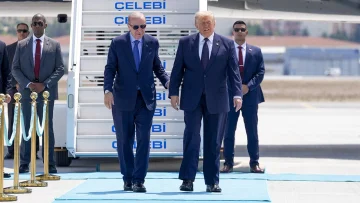
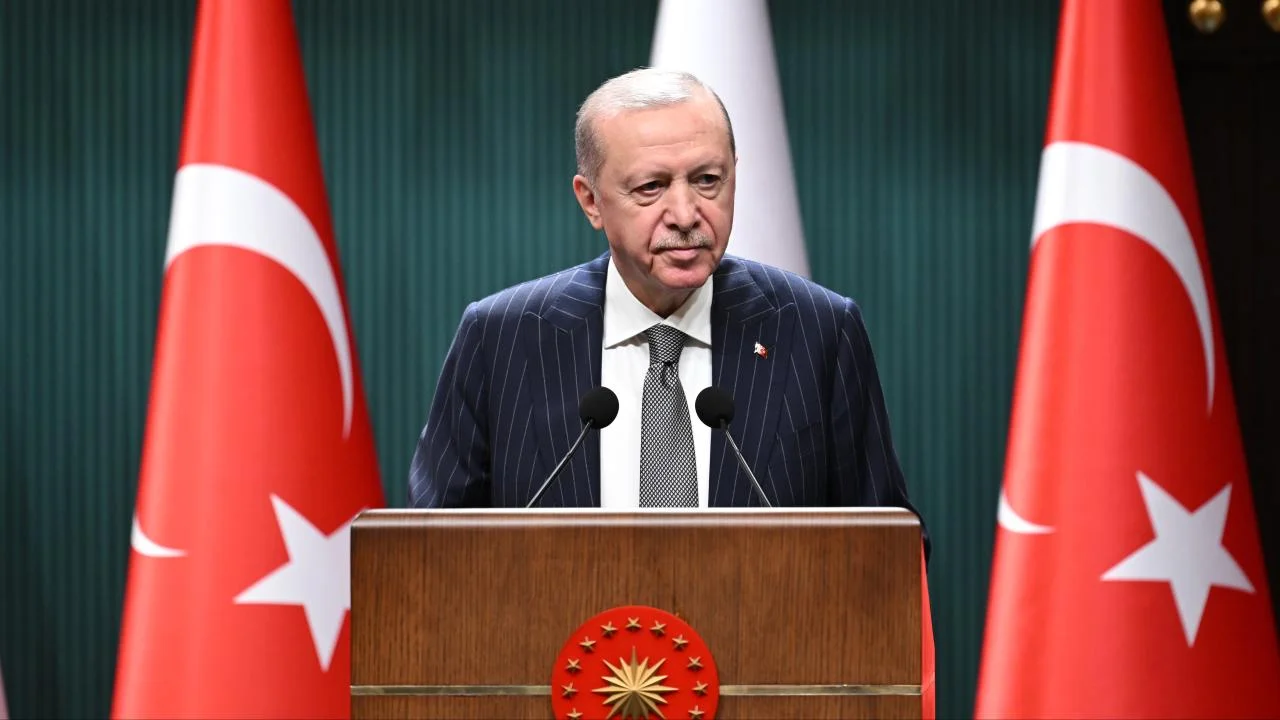
According to the Operative Information Center-OMM, President Recep Tayyip Erdogan held significant meetings on the sidelines of the summit aimed at deepening defense cooperation with Washington.
Former diplomat Melih Demirtas stated that the NATO summit represents a positive step toward developing relations between Turkey and the US, though he noted that several outstanding issues between the two nations remain to be resolved. For official Ankara, the summit provided a crucial opportunity to normalize relations with Washington, particularly following tensions arising from the procurement of S-400 missile systems from Russia.
Demirtas emphasized that Turkey is striving to protect its national interests, pursue a balanced foreign policy, and ensure stability within a rapidly changing security environment.
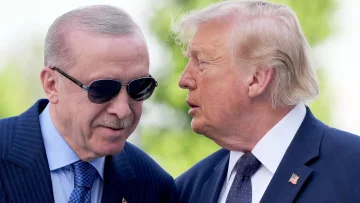
US President Donald Trump praised relations with Turkey during the summit, noting that the meeting in Ankara helped facilitate progress on several key issues. President Trump hinted at the potential lifting of certain sanctions imposed on Turkey and suggested the possibility of Ankara's return to the F-35 program.
Experts believe the NATO summit could mark a significant turning point in Turkey-US relations. However, it is expected that while pursuing a policy of rapprochement with Washington, Ankara will continue to maintain its strategic independence.
The summit also addressed broader issues, including the future of Euro-Atlantic security, defense commitments, the situation in Ukraine, and the increase in military expenditures. Demirtas noted that as the alliance addresses challenges related to Russia, China, Iran, and other global actors, it must consider the interests of all member states, emphasizing the importance of continuing diplomatic efforts and mediation initiatives alongside security measures.
NATO, established in 1949, remains the cornerstone of collective security for its member states. The alliance's summits serve as vital platforms for leaders to align strategies on global defense, crisis management, and geopolitical stability, reflecting the evolving nature of international security architecture.