OMM Redaksiyası

Iran will be unable to reach an agreement with the United States if Washington continues to prioritize an "Israel First" principle, Iranian Vice President Mohammad Reza Aref stated.
According to Operative Information Center-OMM, the Vice President shared these remarks on his social media account on X. "If we negotiate in Islamabad with representatives of the 'America First' policy, we will likely be able to reach an agreement beneficial to both sides and the world. However, if we encounter the 'Israel First' thesis, the deal will not take place; we will be forced to continue our defense more resolutely than before, and the world will face significant losses," Aref noted.
The statement comes in the wake of significant regional escalation. On February 28, the US and Israel launched military operations against Iran, resulting in the deaths of Supreme Leader Ali Khamenei and several high-ranking officials. In response, Iran targeted sites in Israel as well as military bases hosting US and allied forces in Saudi Arabia, Qatar, the United Arab Emirates, Oman, Bahrain, Kuwait, Iraq, and Cyprus. On April 8, Iran, the US, and their allies agreed to a two-week ceasefire to facilitate diplomatic discussions.
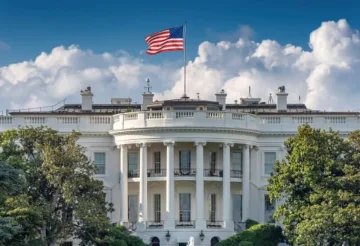
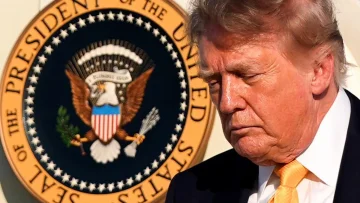
Negotiations between the US and Iran are scheduled to begin in Islamabad after 17:00 local time (16:00 Baku time). The primary agenda for the talks includes the cessation of military operations, sanctions policy, and control over strategic regional communications. Tehran insists that dialogue can only proceed with a ceasefire in Lebanon and the partial lifting of sanctions. Conversely, the administration of US President Donald Trump is prepared to discuss easing restrictions only in exchange for concessions regarding Tehran's nuclear and missile programs.
The parties also remain divided over the status of the Strait of Hormuz. Iran is demanding de facto control and the right to collect transit fees, while the US insists the strait remain fully open for international shipping. Furthermore, Tehran is raising the issue of releasing frozen assets and paying compensation for damages incurred during the conflict. Iran also demands the withdrawal of US troops from the Middle East and guarantees against future attacks. US President Donald Trump's administration maintains that a military presence must be upheld until a comprehensive agreement is reached, not ruling out further escalation if negotiations fail.
The Islamabad talks represent a critical diplomatic effort to stabilize the Middle East following one of the most volatile periods in recent history. The involvement of the administration of US President Donald Trump signals a shift toward direct, high-stakes negotiations aimed at restructuring regional security frameworks and addressing long-standing nuclear concerns.