The escalating situation in the Middle East has triggered a new internal conflict within the European Union leadership.
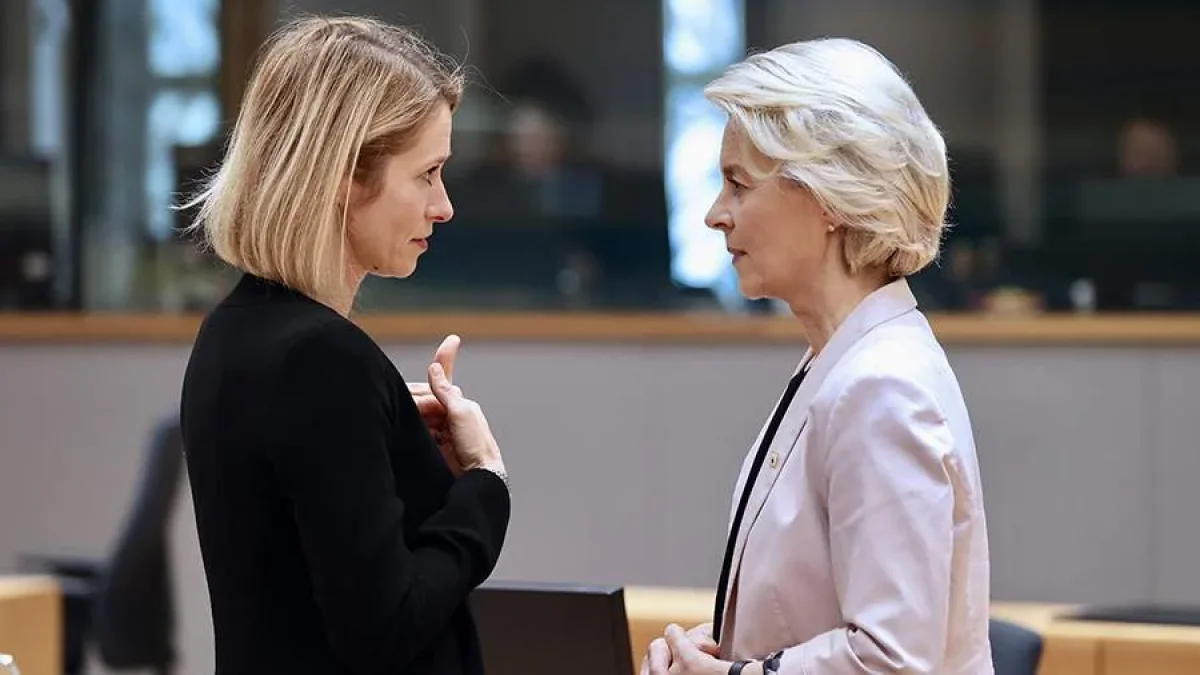
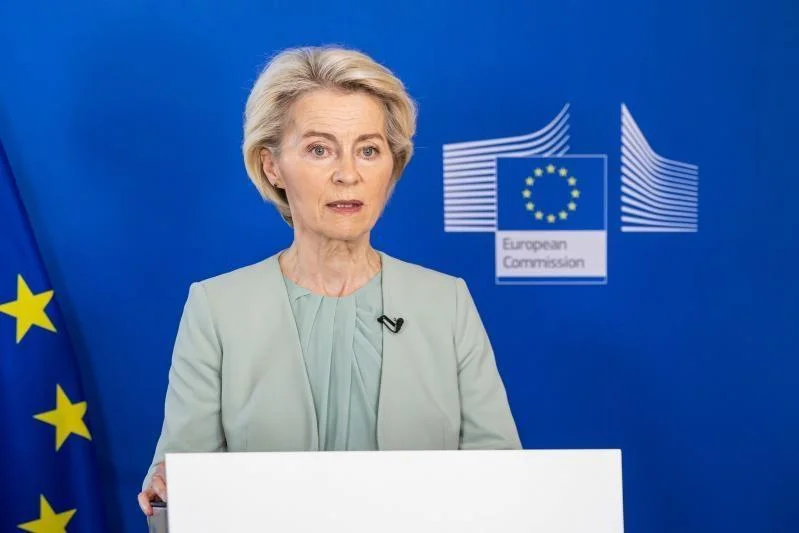
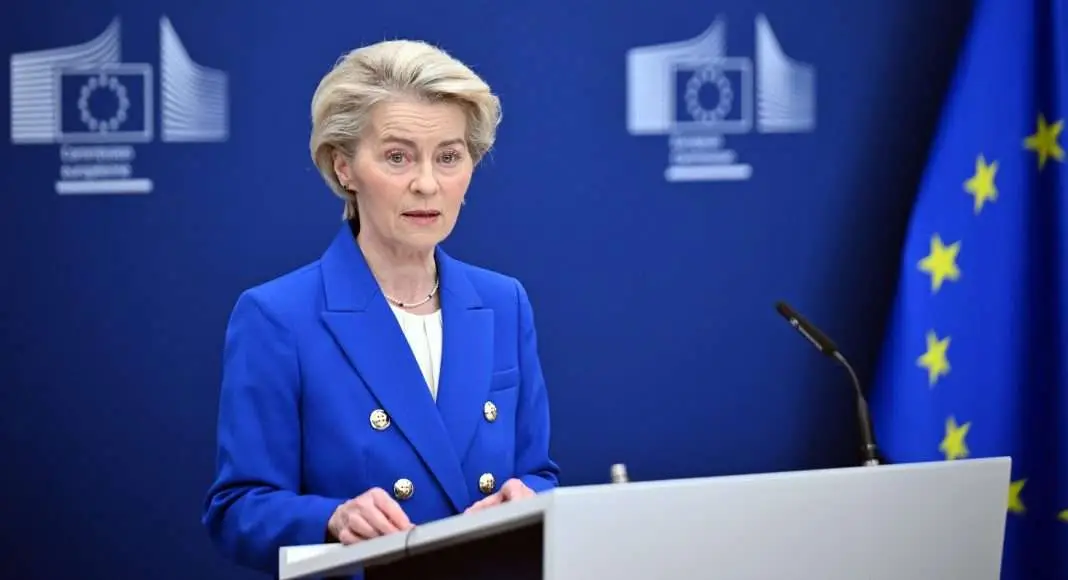
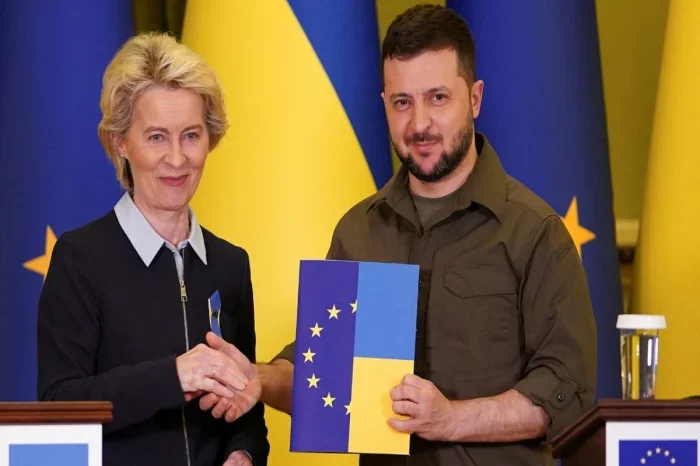
Operative Information Center-OMM reports, citing sources from Politico, that significant disagreements have emerged between the teams of European Commission President Ursula von der Leyen and the EU's High Representative for Foreign Affairs and Security Policy, Kaja Kallas.
According to the report, international relations have traditionally been managed by the European External Action Service (EEAS). However, recent global developments have seen an increase in the influence of Commission structures, suggesting that the roles of von der Leyen and other commissioners are becoming increasingly dominant in the foreign policy sphere. Sources indicate that the European Commission head is asserting more control through the Directorate-General for Neighborhood and Enlargement Negotiations, which covers the Middle East, North Africa, and the Gulf. Brussels observers view this move as a strategic attempt to weaken the influence and autonomy of the EEAS led by Kallas.
This institutional friction comes at a critical time for European diplomacy as the bloc seeks to maintain a unified stance on global security challenges. The European External Action Service was established under the Treaty of Lisbon to ensure more consistency and efficiency in EU foreign policy, yet the overlapping mandates between the Commission President and the High Representative have frequently led to power struggles during major international crises. The current dispute highlights the ongoing debate over who truly speaks for Europe on the world stage.