OMM Redaksiyası

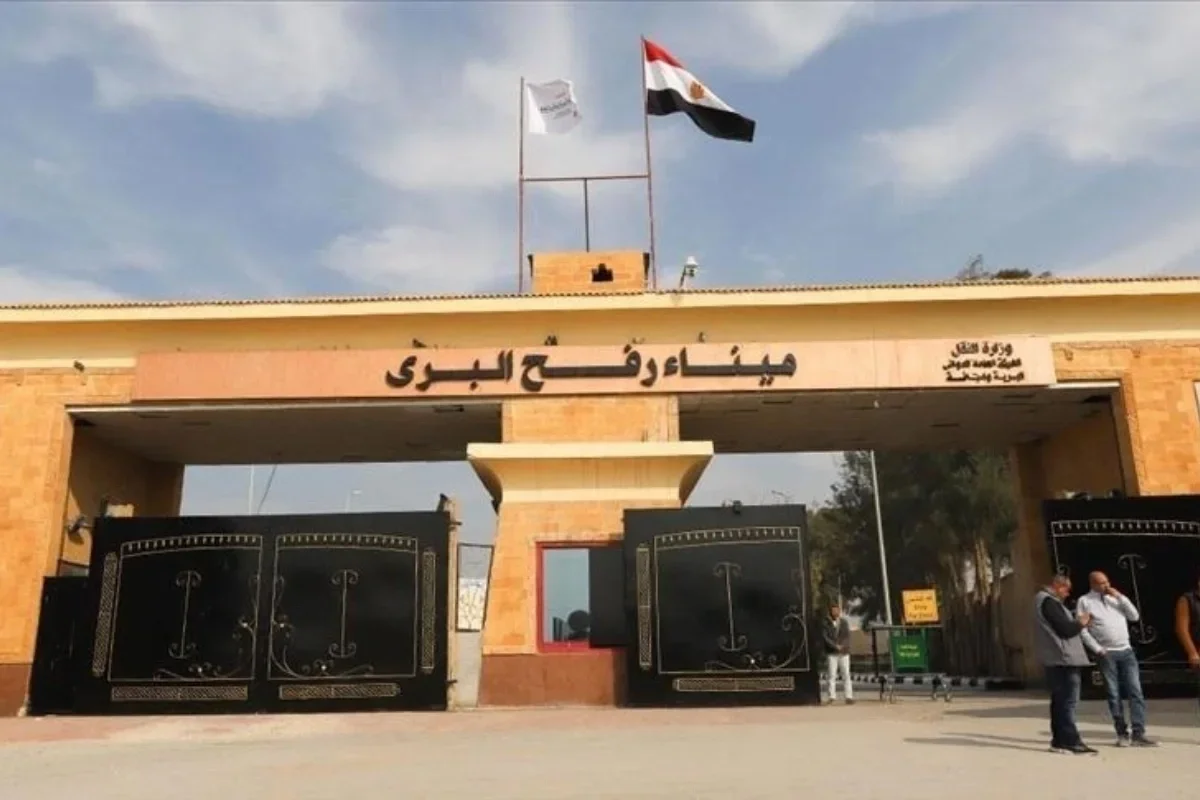
The Israeli authorities have reopened the Rafah crossing on the border between the Gaza Strip and Egypt following a two-year closure.
Operative Information Center-OMM, citing Israeli media, reports that technical and security inspections are currently underway at the site as the initial operating system is being established.
This process is being carried out in coordination with the Egyptian side and the European Union (EU) mission, which oversees the Gaza side of the terminal. COGAT, the Israeli body responsible for Palestinian civilian affairs, stated that this move was taken in accordance with the ceasefire framework and instructions from the political leadership. The reopening is currently categorized as a limited "pilot phase."
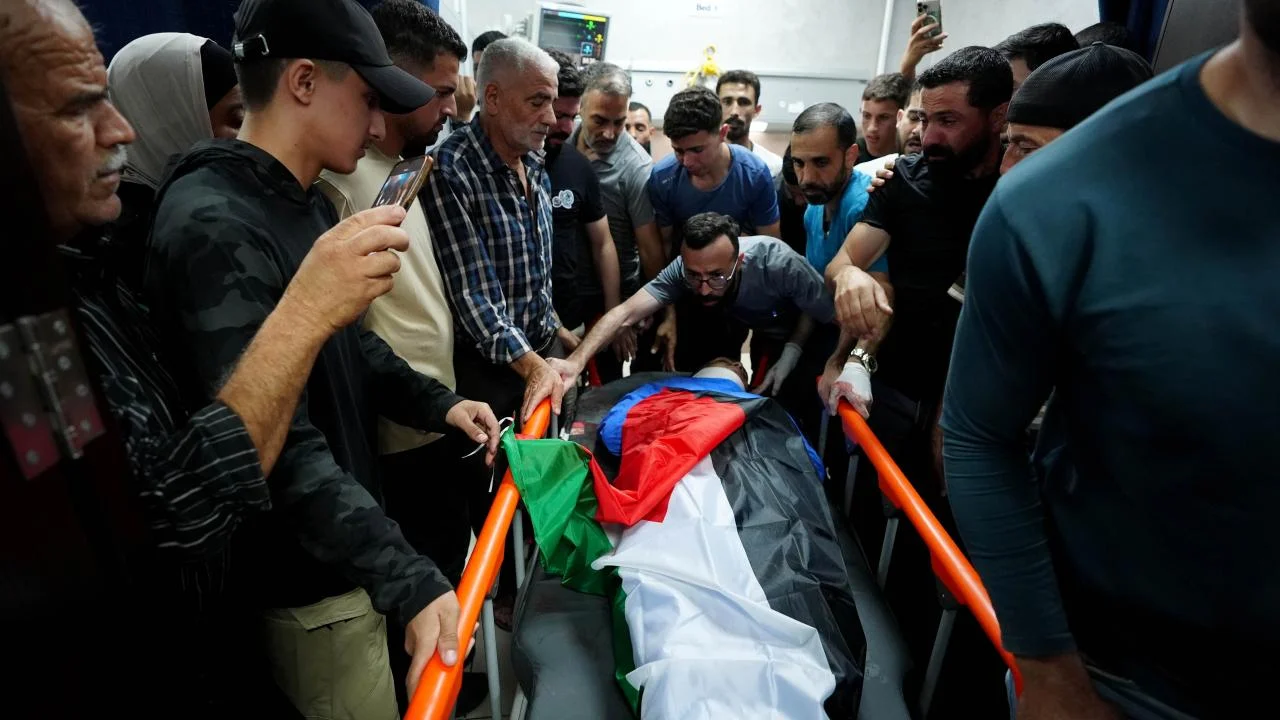
According to the statement from COGAT, in the initial stage, only Palestinians who left Gaza during the conflict and have received prior security clearance from Israel will be permitted to return to the enclave. Israeli officials noted that the Egyptian side has requested that departures from Gaza remain limited to the wounded, the sick, and their accompanying relatives for the time being.
According to the Israeli newspaper Haaretz, Tel Aviv plans to establish a military control post on the Gaza side of the crossing, though Egypt opposes this initiative. Following the completion of the pilot phase, it is projected that organized bus groups will facilitate the passage of approximately 150 people daily in both directions.
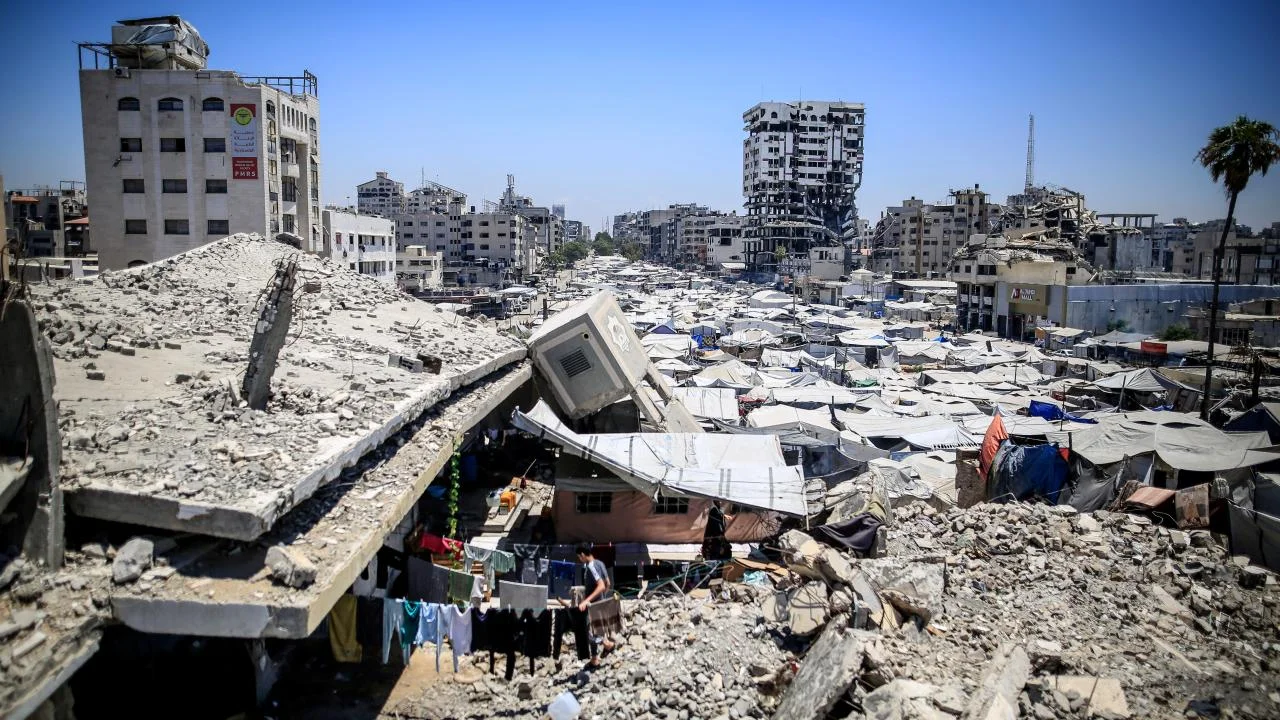
The Rafah crossing serves as the Gaza Strip's primary gateway to the outside world that does not pass through Israeli territory. The facility had remained closed due to the conflict and stringent restrictions in place since 2024. The reopening of this strategic corridor is seen as a critical step in addressing the humanitarian situation and managing the movement of people in the region, which has faced significant isolation during the period of hostilities.