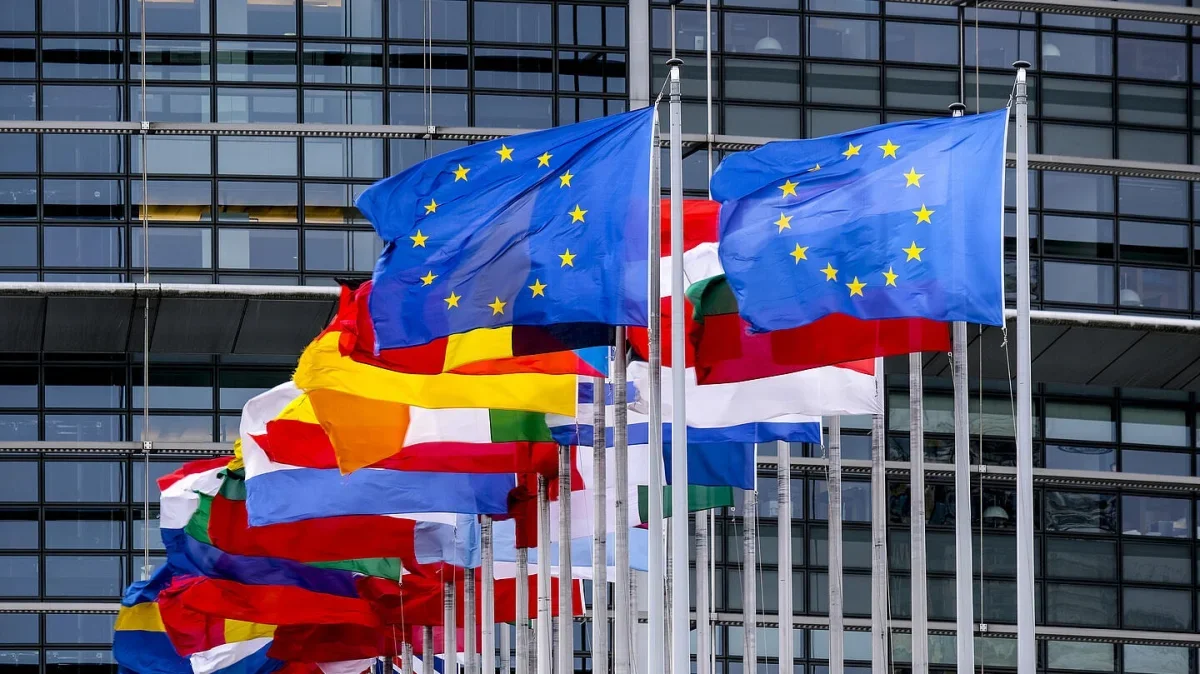
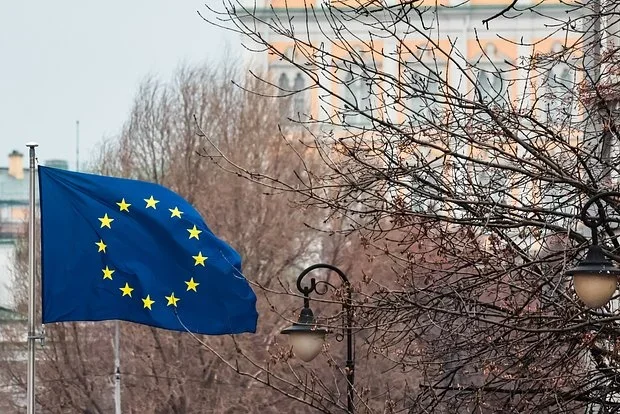
The government of Iceland is considering holding a planned referendum on European Union (EU) membership significantly earlier than originally anticipated.
Operative Information Center-OMM, citing foreign media, reports that the vote, which was initially scheduled for 2027, is being moved forward as Reykjavik's political priorities shift in response to evolving international developments.
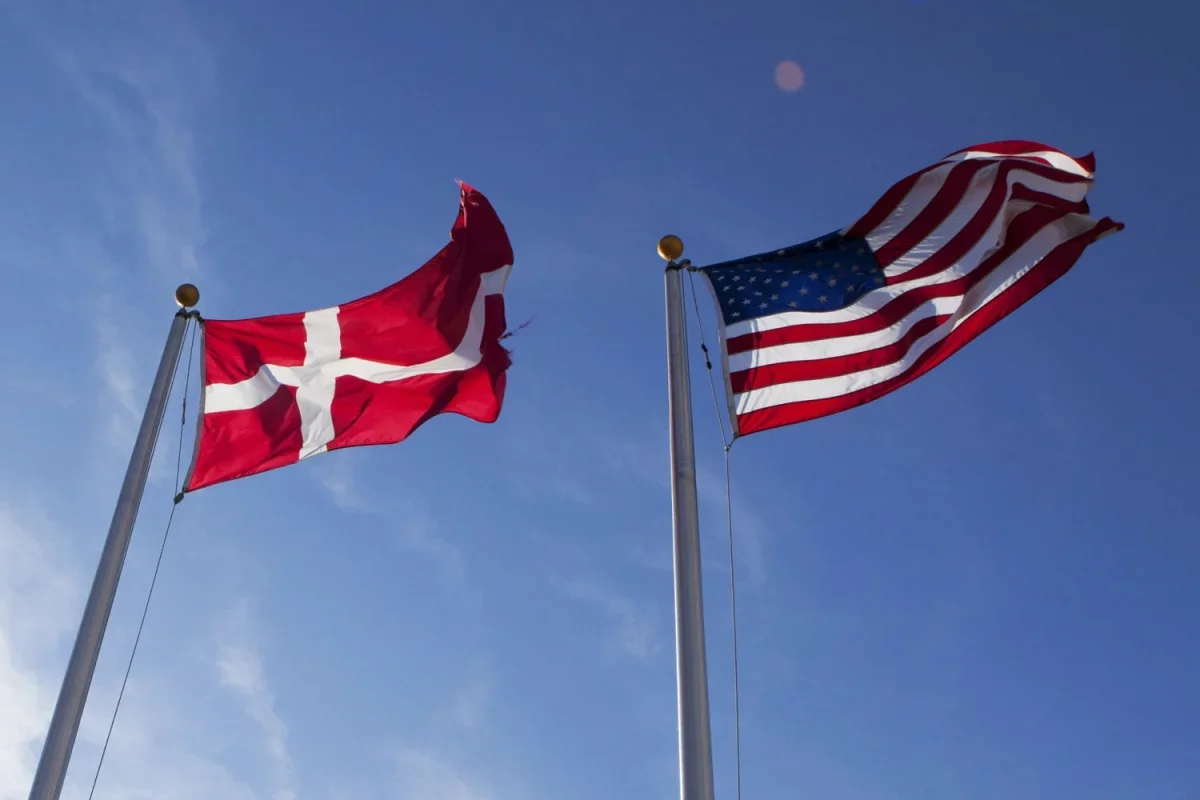
Key factors influencing this decision include customs tariffs imposed by the United States on Iceland and statements made by US President Donald Trump regarding Greenland. As the strategic role of the North Atlantic is being re-evaluated, EU Commissioner for Enlargement Marta Kos stated that the issue of membership has transcended economic considerations, becoming a matter of security and geopolitical alignment.
The referendum, now potentially slated for August, does not signify immediate accession. Instead, the vote will grant the government the mandate to officially resume membership negotiations with Brussels. Should the public vote in favor, Iceland's integration into the EU could proceed faster than that of other candidates, as the country already implements a significant portion of European legislation through its membership in the European Economic Area (EEA).
However, substantial challenges remain, particularly regarding fishing rights, which are of critical importance to the Icelandic economy. This sector is expected to be the most contentious part of the negotiations. If the initial referendum yields a positive result, a second referendum will be required to approve the final terms of full membership once negotiations are concluded.
Iceland previously applied for EU membership in 2009 following a severe financial crisis but suspended the process in 2013. The renewed interest reflects a broader trend among Nordic and North Atlantic nations seeking stronger collective security and economic stability amid shifting global alliances and trade policies. The strategic location of Iceland makes it a vital partner for both the EU and NATO in monitoring Arctic and Atlantic maritime routes.