Iran has carried out a series of new attacks against several countries in the Persian Gulf region, escalating tensions in the Middle East.
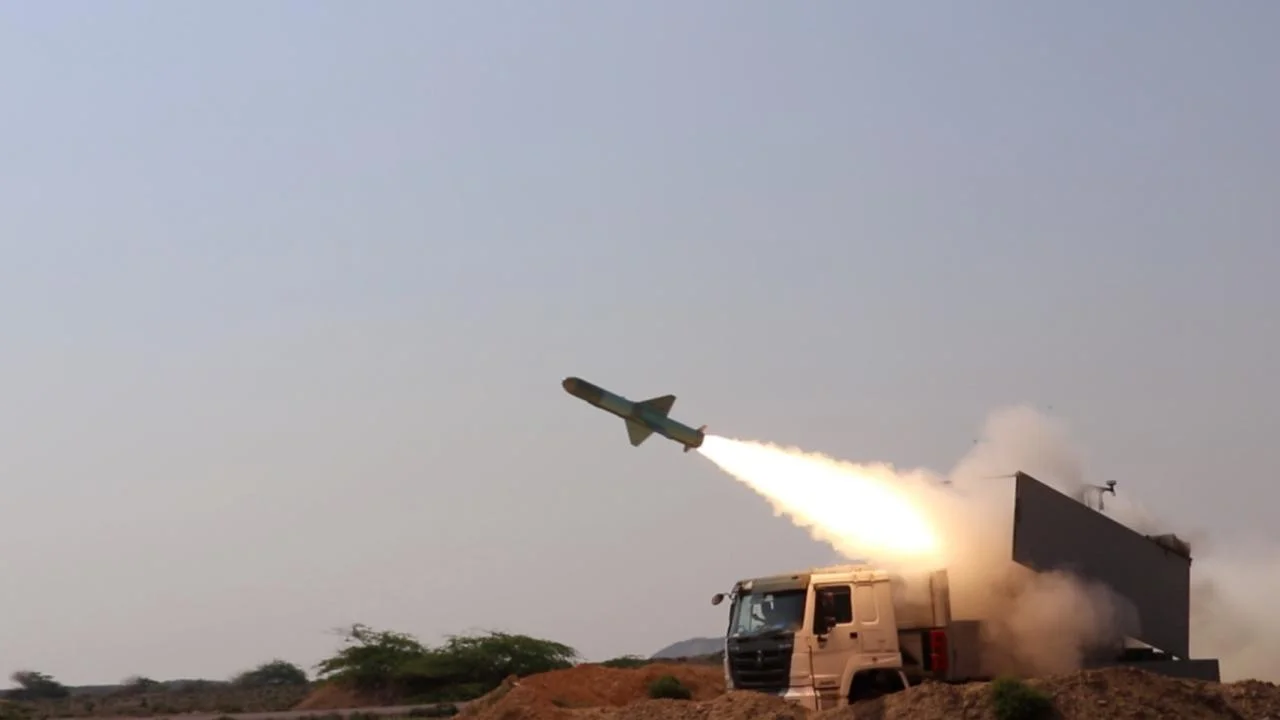
Operative Information Center-OMM reports, citing Associated Press, that Iran launched strikes against Arab states in the Persian Gulf on March 10. Missile alerts were issued in the United Arab Emirates and Bahrain following the incidents. Saudi Arabia reported intercepting two unmanned aerial vehicles (UAVs) over its oil-rich eastern provinces, while the Kuwait National Guard announced the neutralization of six drones.
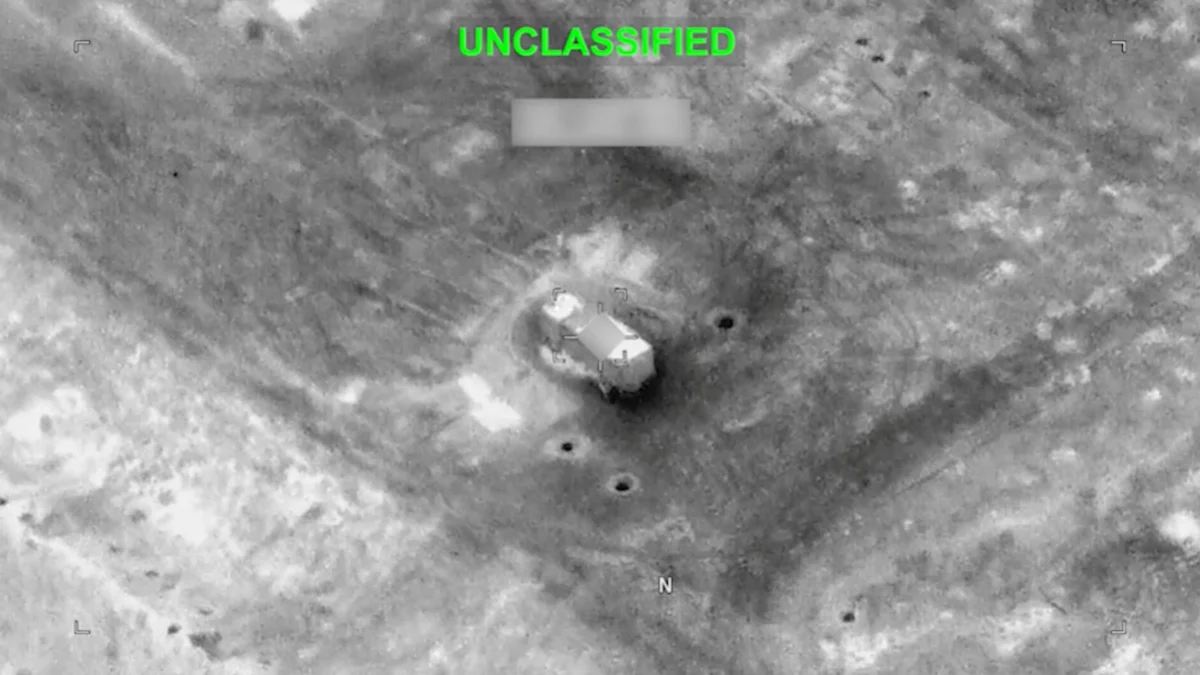
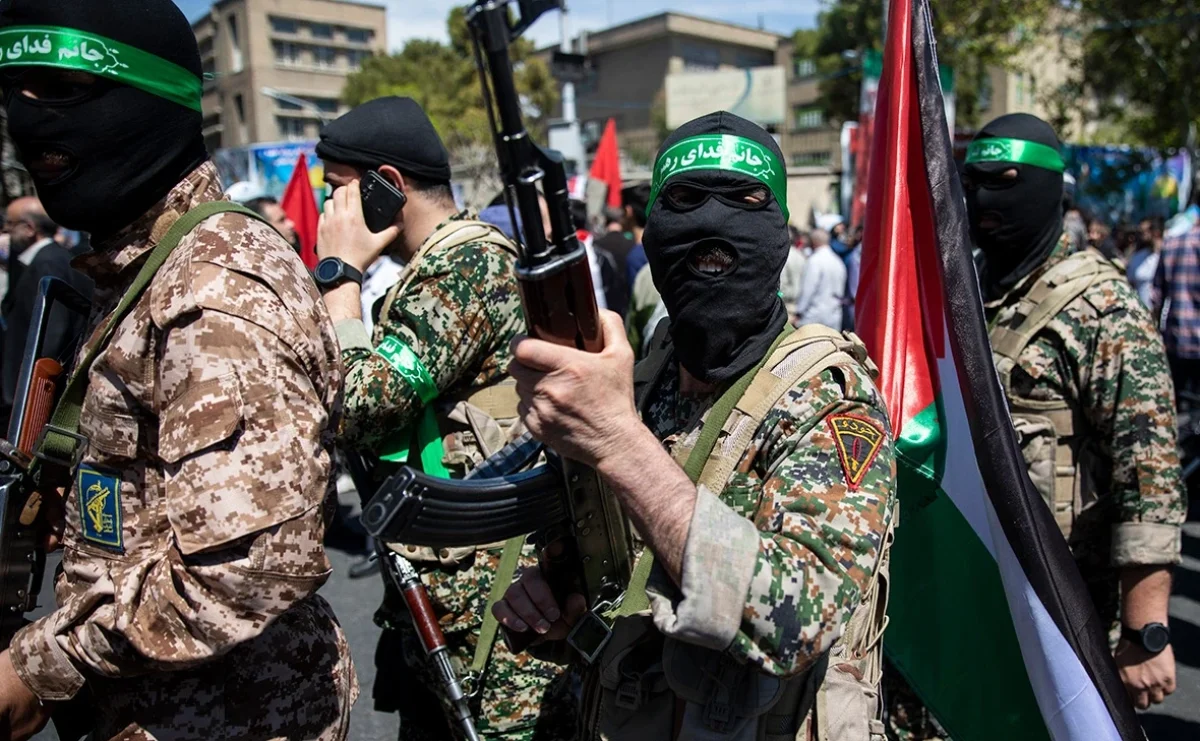
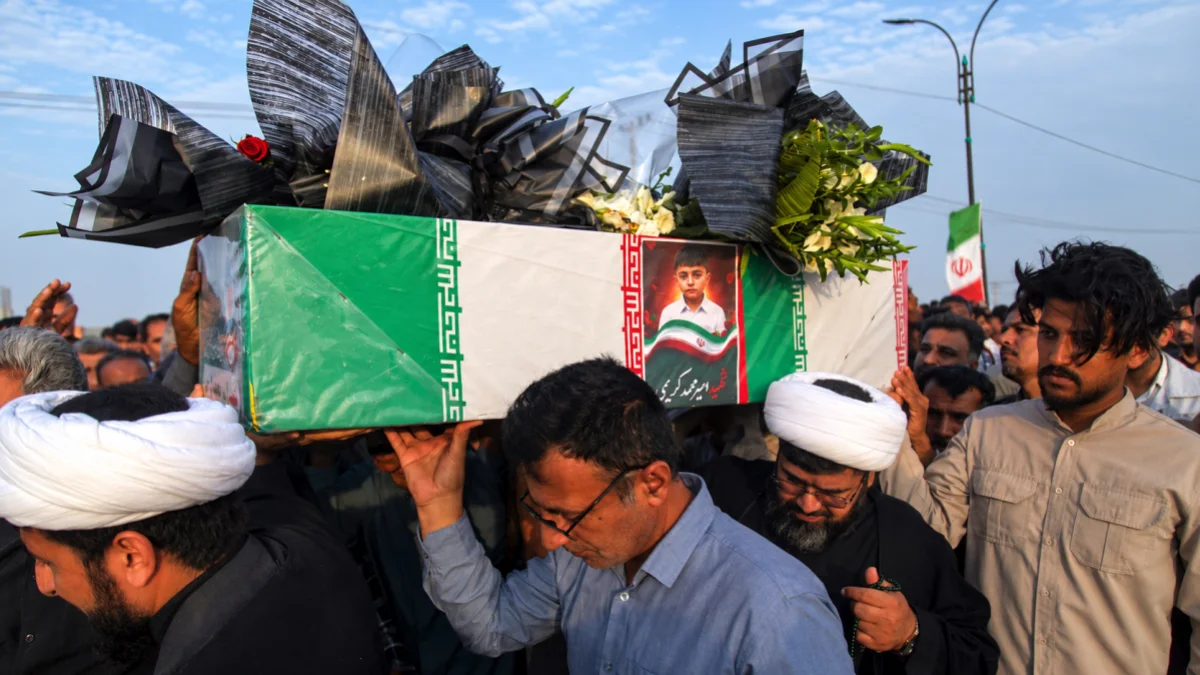
The regional escalation follows air strikes conducted by the United States and Israel against Iranian territory on February 28. In response, pro-Iranian armed groups in Iraq began targeting US military bases within the country. On the morning of March 10, one such group claimed responsibility for an aerial attack on the Iraqi city of Kirkuk, resulting in at least five fatalities and four injuries. Meanwhile, the Israeli military has intensified strikes against the Iran-backed Hezbollah movement in Lebanon, urging residents of Southern Lebanon to evacuate ahead of planned large-scale operations.
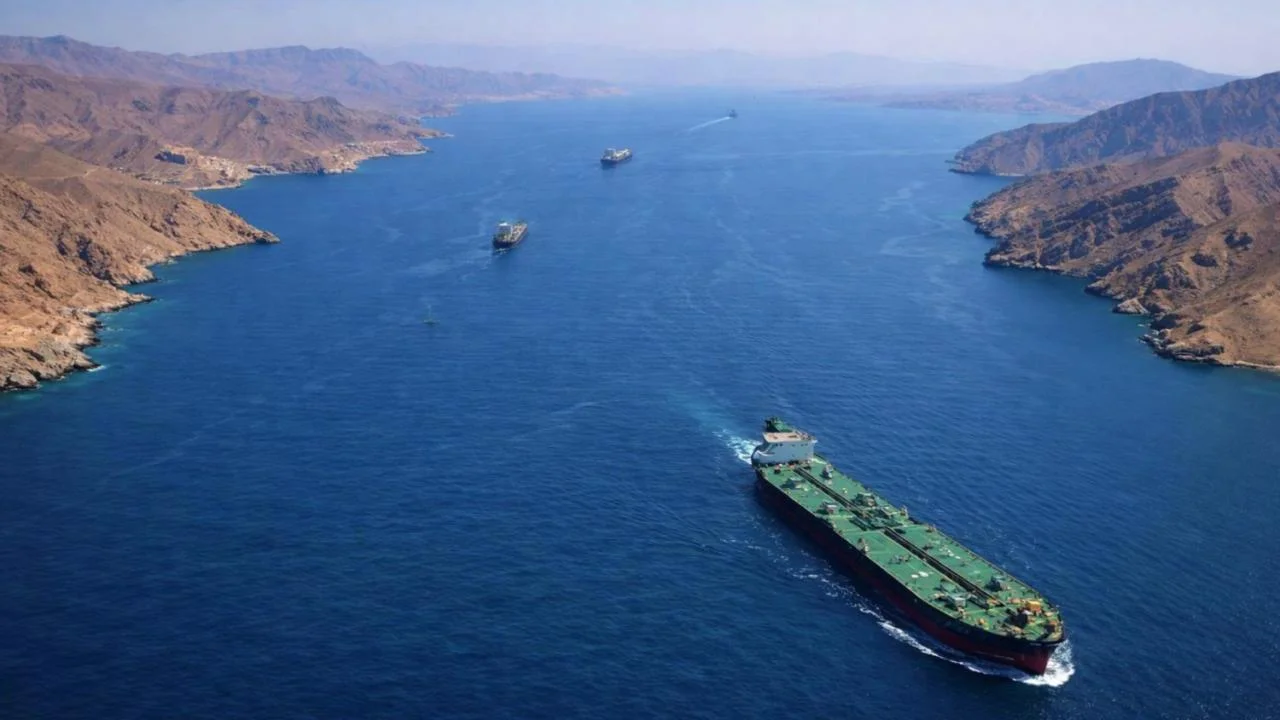
Following the US and Israeli strikes, Iran has shifted its strategy to target not only military installations but also critical energy infrastructure. Tehran has reportedly closed the Strait of Hormuz, a vital maritime chokepoint through which approximately 20 percent of the world's oil supply passes. US President Donald Trump stated that if oil supplies through the Strait of Hormuz are disrupted, US retaliatory strikes against Iran will be "20 times stronger" than any previous actions. US President Donald Trump also noted that a conflict with Iran could be concluded swiftly, a statement that led to a slight decline in global oil prices.
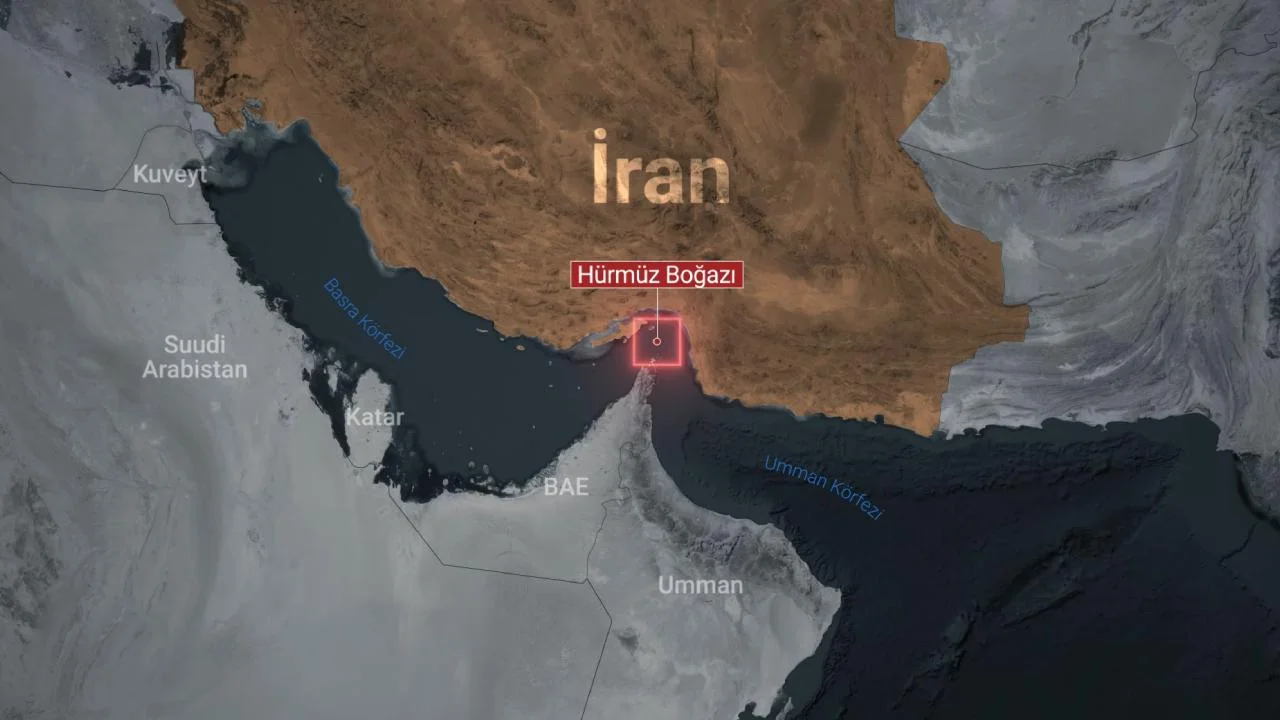
The Persian Gulf remains one of the most geopolitically sensitive regions in the world due to its role as a primary hub for global energy exports. The Strait of Hormuz, situated between Oman and Iran, connects the Persian Gulf with the Gulf of Oman and the Arabian Sea. Any prolonged closure of this waterway typically triggers significant volatility in international energy markets and prompts heightened military readiness from global powers committed to ensuring the freedom of navigation in international waters.