Strait of Hormuz: Iran denies unauthorized passage of US vessels
Official Tehran has strongly denied reports regarding the unauthorized passage of US Navy vessels through the Strait of Hormuz amid ongoing regional tensions between Iran and the United States.
The Operative Information Center-OMM reports that the Tasnim news agency, citing a source within the Iranian security forces, dismissed the claims. The source stated that since the declaration of the ceasefire, no vessel has transited the Strait of Hormuz without prior coordination with Tehran.
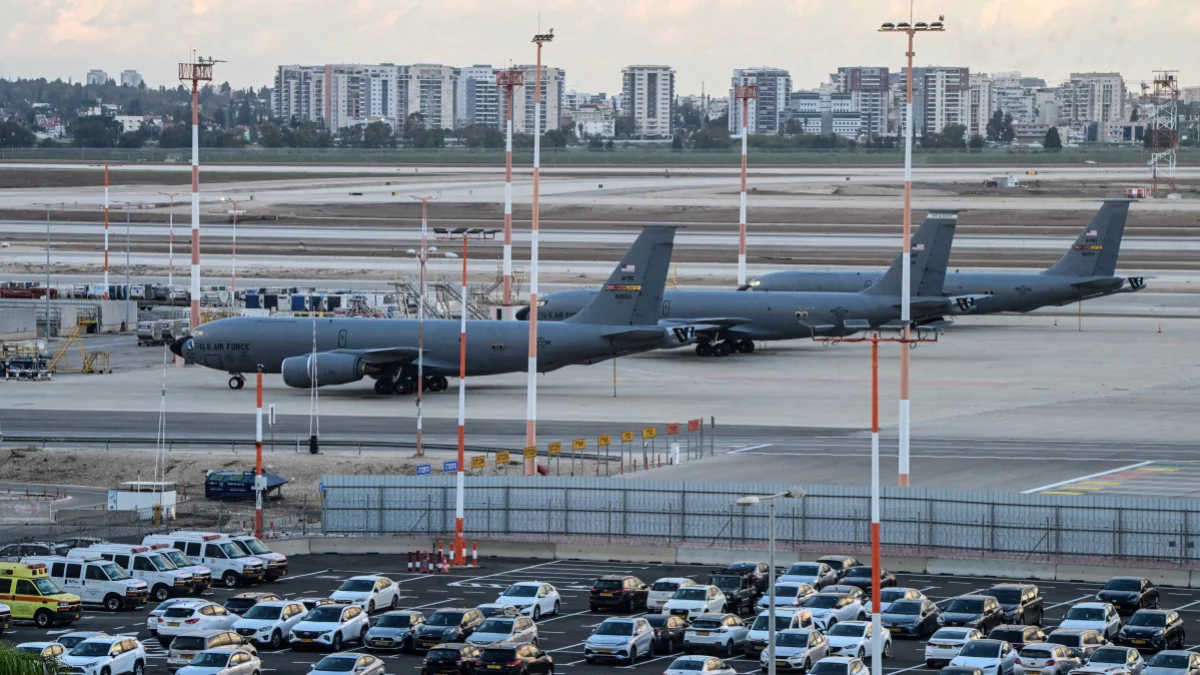
This statement follows a report by Axios, which cited sources claiming that several US Navy ships had crossed the strait without Iran's consent. The publication noted that this would have marked the first such instance since the commencement of joint operations by the United States and Israel against Iran.
Background: Military operations and regional escalation
Military operations against Iran by the United States and Israel began on February 28. These operations resulted in the deaths of Iran's Supreme Leader Ali Khamenei and several high-ranking officials. In response, Iran launched strikes against targets in Israel, as well as locations in Saudi Arabia, Qatar, the United Arab Emirates, Oman, Bahrain, Kuwait, Iraq, and Cyprus, where US and allied military bases are situated.
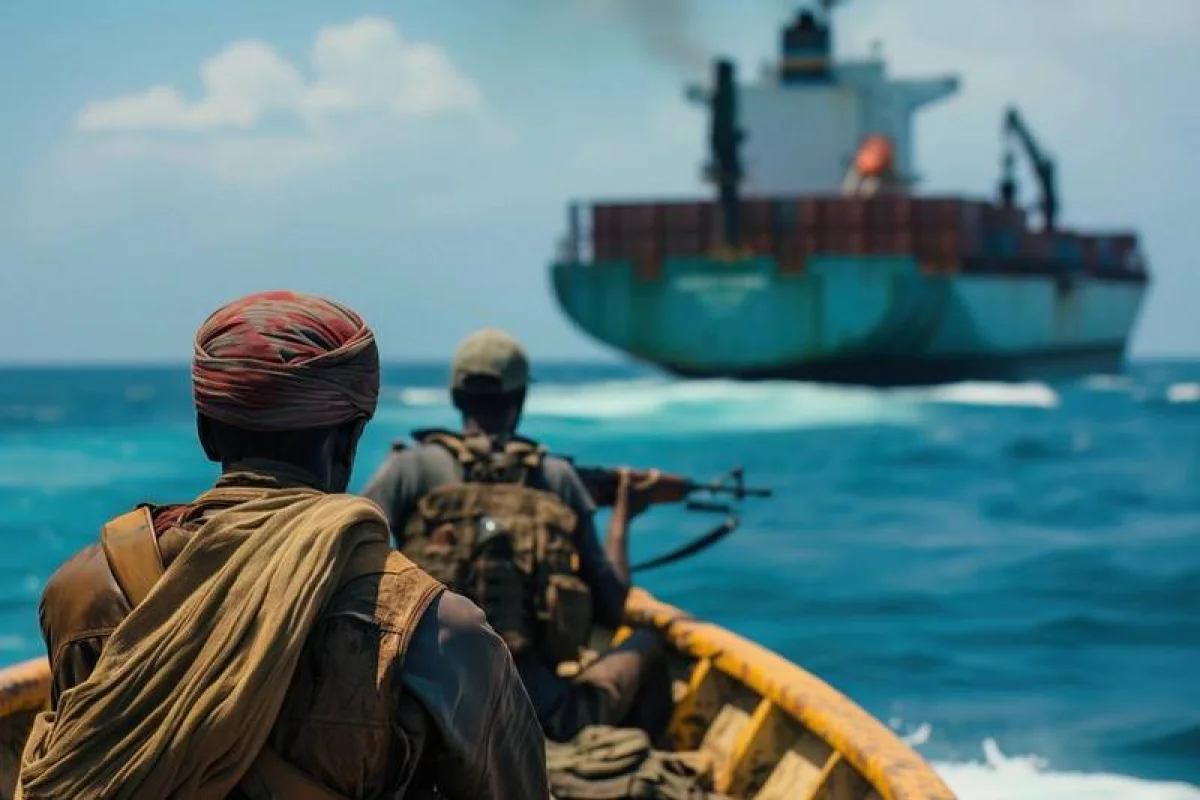
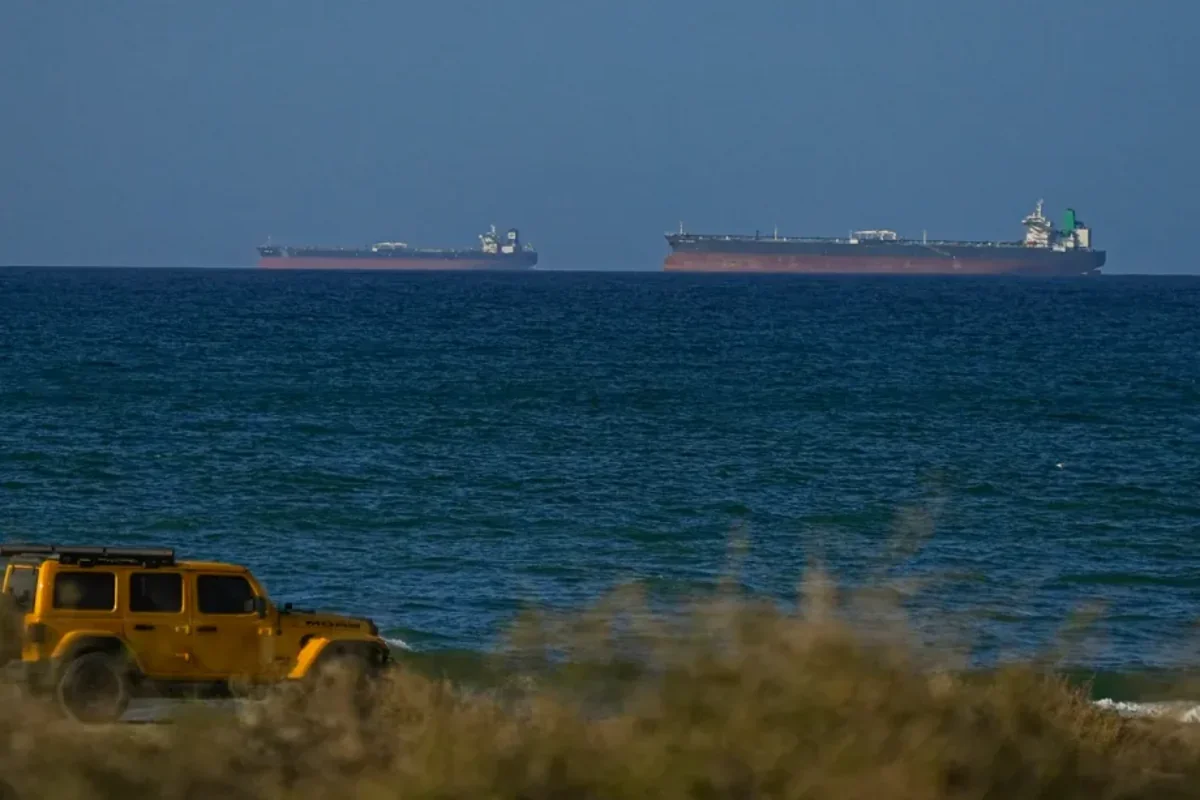
Following the escalation, on April 8, Iran, the United States, and their allies reached an agreement for a two-week ceasefire. The Strait of Hormuz remains one of the world's most critical maritime chokepoints, through which approximately one-fifth of the world's oil consumption passes daily. Its strategic importance often makes it a focal point for geopolitical friction between Tehran and Washington.
Negotiations between Tehran and Washington: Key terms and demands
The primary topics of discussion between the United States and Iran include the cessation of military hostilities, sanctions policy, and control over the region's strategic communications. Tehran insists that formal dialogue can only begin if a ceasefire is established in Lebanon and sanctions are partially lifted. Conversely, Washington is prepared to discuss easing restrictions only in exchange for concessions regarding Tehran's nuclear and missile programs.
The parties also maintain diverging positions on the status of the Strait of Hormuz. Iran demands de facto control and the right to receive transit fees, while the United States insists it must remain fully open for international shipping. Furthermore, Tehran has raised the issue of unfreezing assets and receiving compensation for damages incurred during the conflict.
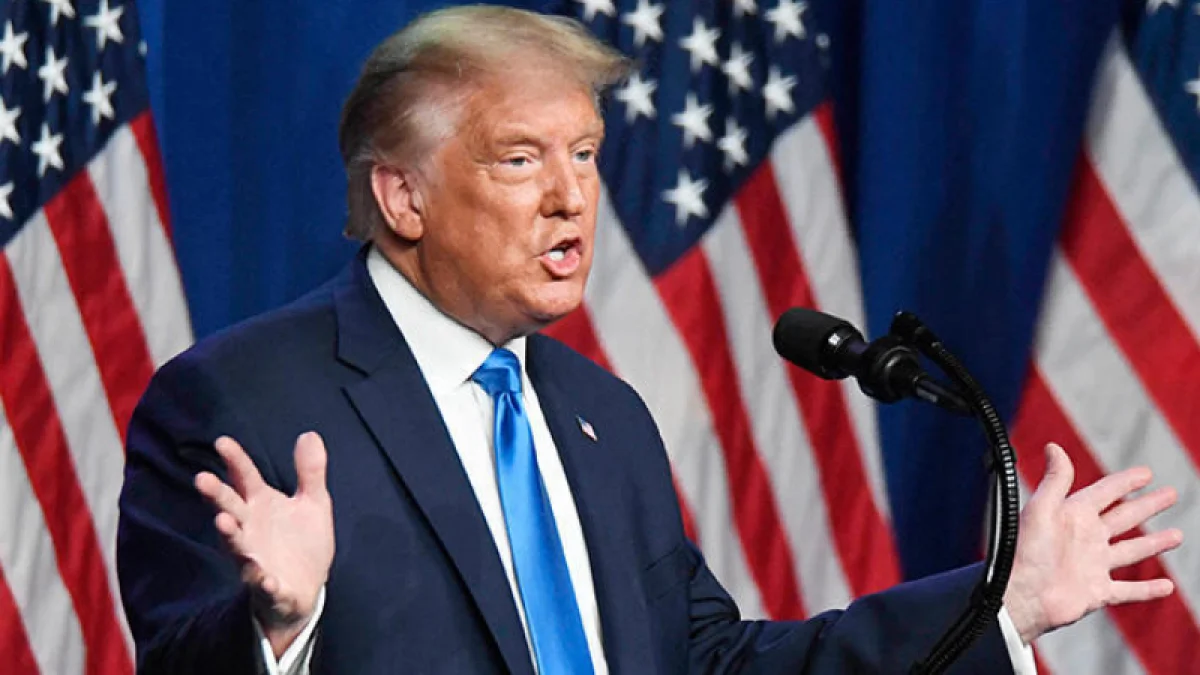
Iran continues to demand the withdrawal of US troops from the Middle East and guarantees of non-aggression. The administration of US President Donald Trump considers maintaining a military presence necessary until a comprehensive agreement is reached and does not rule out further escalation should negotiations fail.