Milli Majlis adopts new regulations: ICMAL system, artificial intelligence, and fines
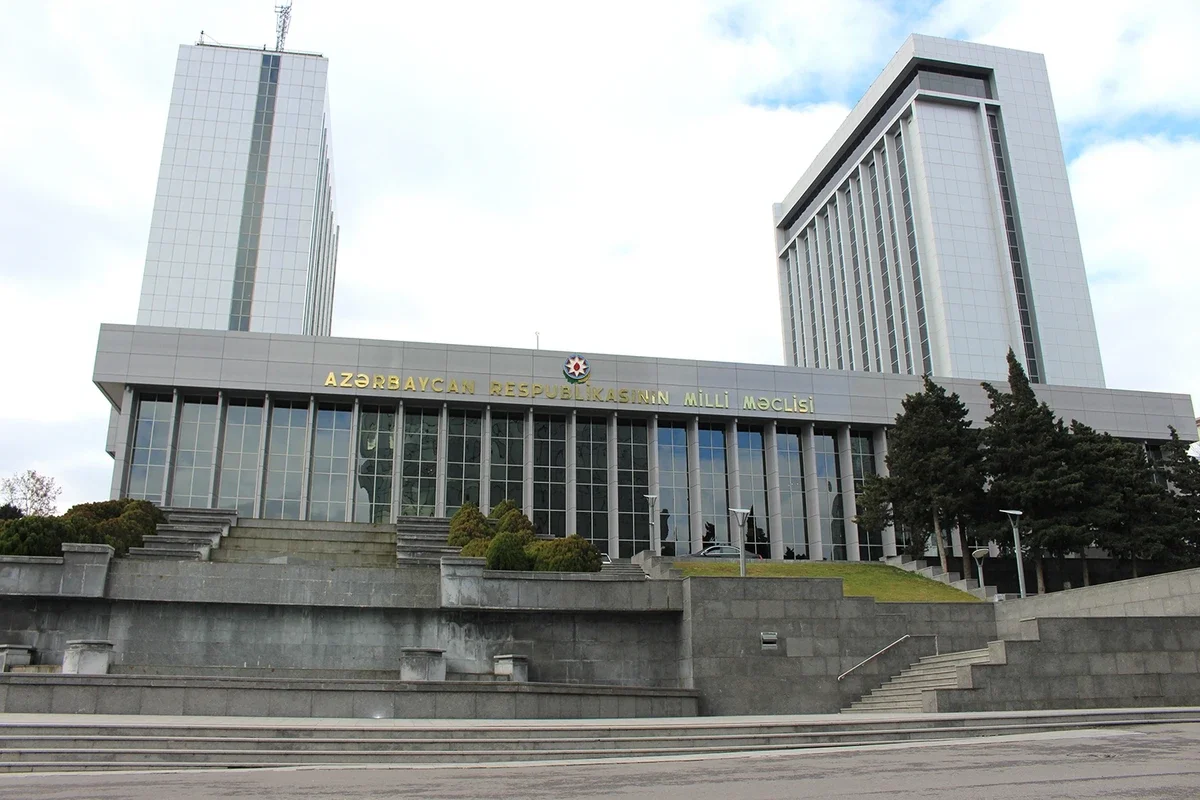
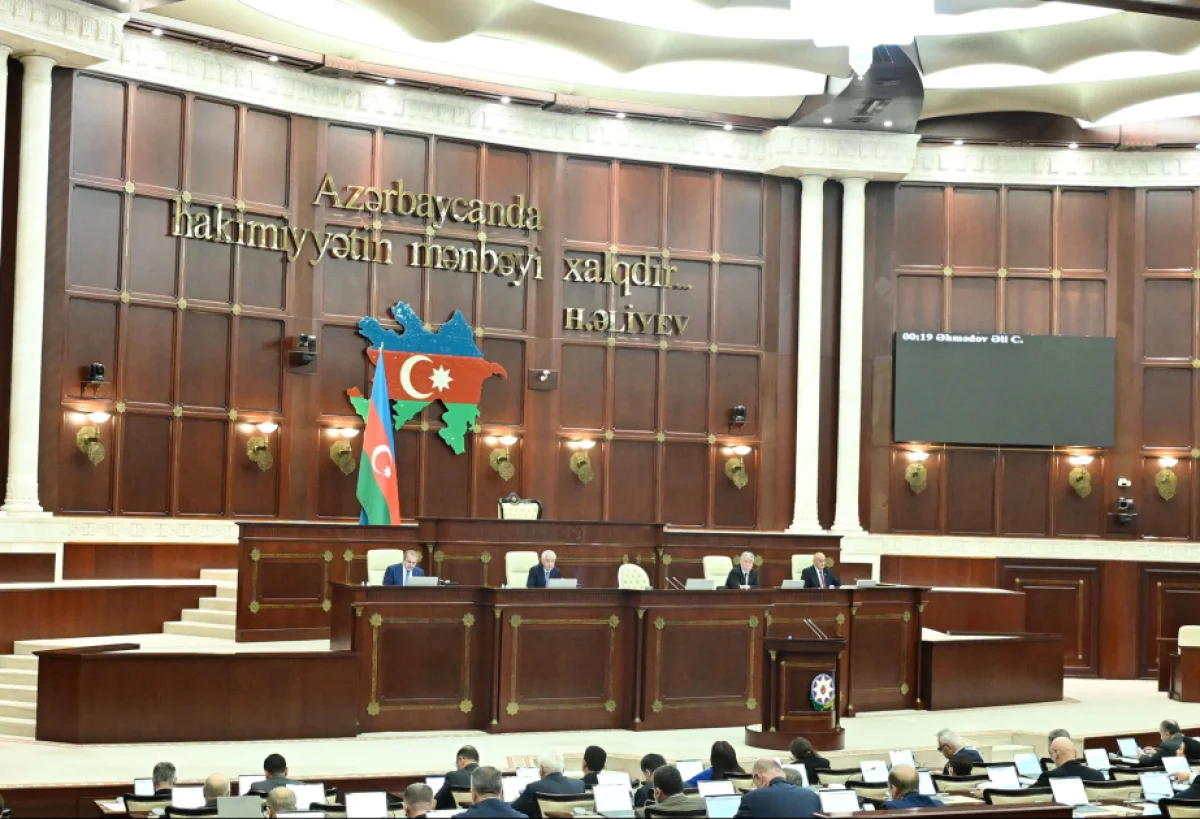
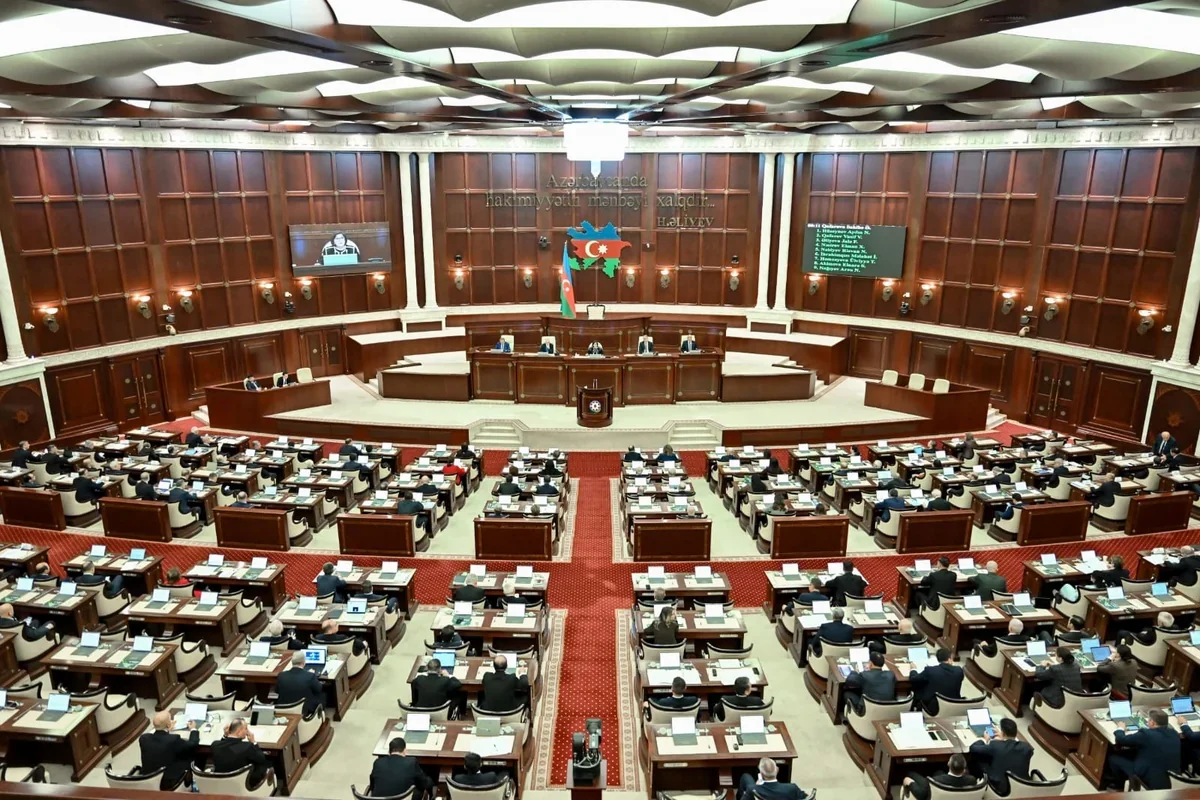
The Milli Majlis (National Assembly) of the Republic of Azerbaijan has approved several significant amendments to the Code of Administrative Offenses in its first reading. These legislative changes introduce new penalties and stricter regulations concerning the "ICMAL" information system, child abuse, the illegal dissemination of materials created via artificial intelligence (AI), begging, and the activities of private bailiffs.
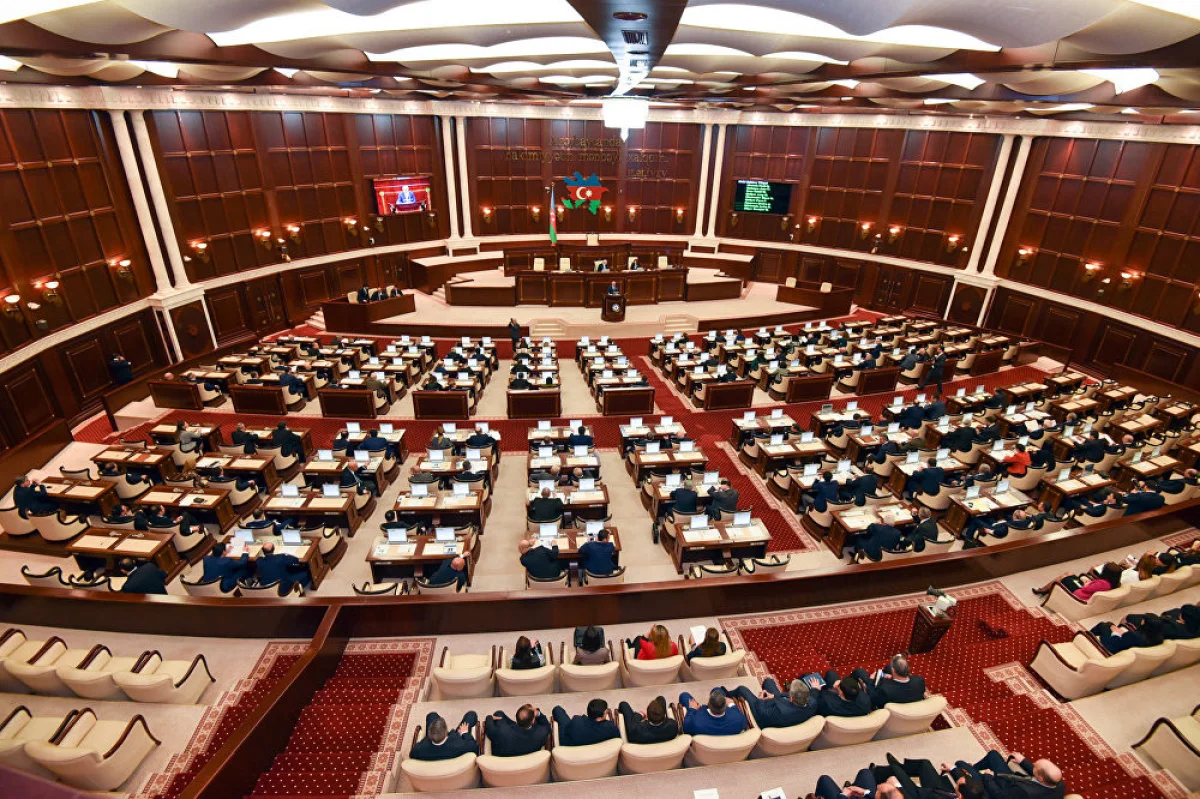
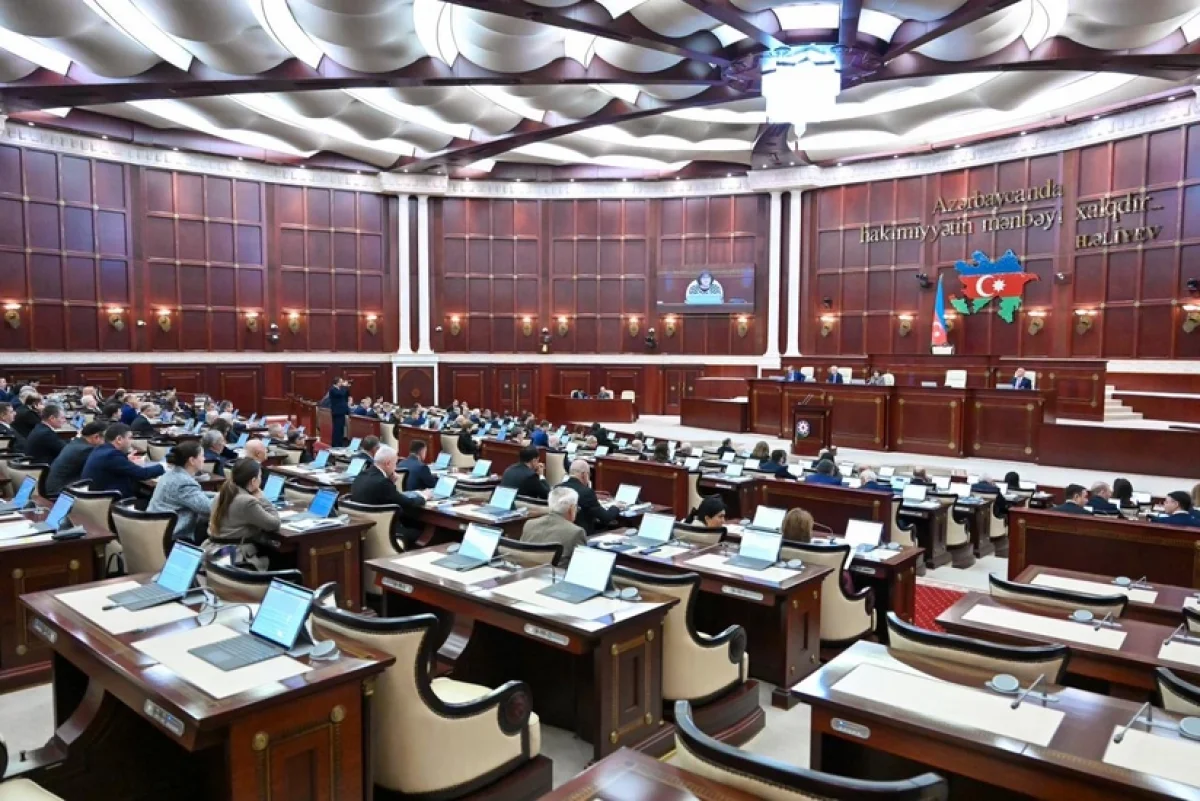
According to the Operative Information Center-OMM, the draft law was presented and debated during today's plenary session of the parliament in Baku. The reforms aim to modernize the legal framework in line with digital advancements and social protection priorities in Azerbaijan.
The "ICMAL" system and financial oversight
Under the new legislation, the "ICMAL" information system is being reorganized as the "Centralized Automated Board of Administrative Fines" sub-system within the broader "Digital State Finance" information system. This transformation ensures that data analysis and monitoring functions for administrative fine revenues are integrated into a unified state financial platform.
The "ICMAL" sub-system will oversee the transfer of fines imposed under the Code of Administrative Offenses to the state budget and the accounts of relevant authorities. Furthermore, the process for serving official documents related to administrative offenses is being improved. For traffic violations, paper copies of decisions or protocols will be handed directly to the individual on-site. Additionally, a person who has caused harm will no longer be permitted to participate in proceedings as the legal representative of the victim.
New penalties for child abuse and negligence
The draft law adds several articles to the Code of Administrative Offenses dedicated to the protection of children's rights. Parents, as well as employees of educational, medical, social service, sports, and penitentiary institutions, will face a fine of 200 manats for the use of corporal punishment (physical or psychological violence) against a child.
Failure to report signs of violence against a child to the relevant law enforcement agencies or local commissions will result in fines ranging from 200 to 300 manats for individuals, and 400 to 600 manats for officials. Furthermore, failure to prevent persistent bullying or aggressive behavior among children within these institutions will lead to fines of 300-400 manats for individuals and 500-600 manats for officials.
Sanctions for undisclosed AI-generated content
A new Article 388-3 introduces sanctions against the knowing dissemination of photo, video, or audio materials created using artificial intelligence technologies without proper disclosure. Individuals who share such materials in the media or on internet information resources without clear marking (visual, audio, or text-based indicators) will be fined between 80 and 150 manats.
Management of state funds and new article on begging
The mechanism for liability regarding the use of state funds under Article 410 has been refined to include "state-owned legal entities" as accountable subjects. Fines will be set at 100 percent of the amount that was the direct object of the administrative offense. However, first-time offenders may be exempted from liability if they fully compensate for the damage caused.
Another notable change is the separation of begging from vagrancy. A new Article 523-1 ("Engaging in begging") has been added. Begging will now carry a warning or a fine of 100 to 200 manats, or administrative detention for up to 10 days. Involving a minor in begging will result in a fine of 200-500 manats or up to 15 days of administrative detention.
Regulations for private bailiffs
In accordance with the law on private bailiffs, individuals who have not taken the oath or are not registered in the Registry of Private Bailiffs but engage in such activities will be fined 1,500 manats. Illegal wearing of the uniform or insignia of a private bailiff will result in a fine of 500 to 700 manats and confiscation of the uniform. Failure to report changes to registry data within three working days will incur a 500 manat fine.
The legislative package reflects the ongoing efforts of the Cabinet of Ministers and the Presidential Administration to enhance the rule of law and digital governance in Azerbaijan. Following the discussions, the bill was put to a vote and passed in its first reading.