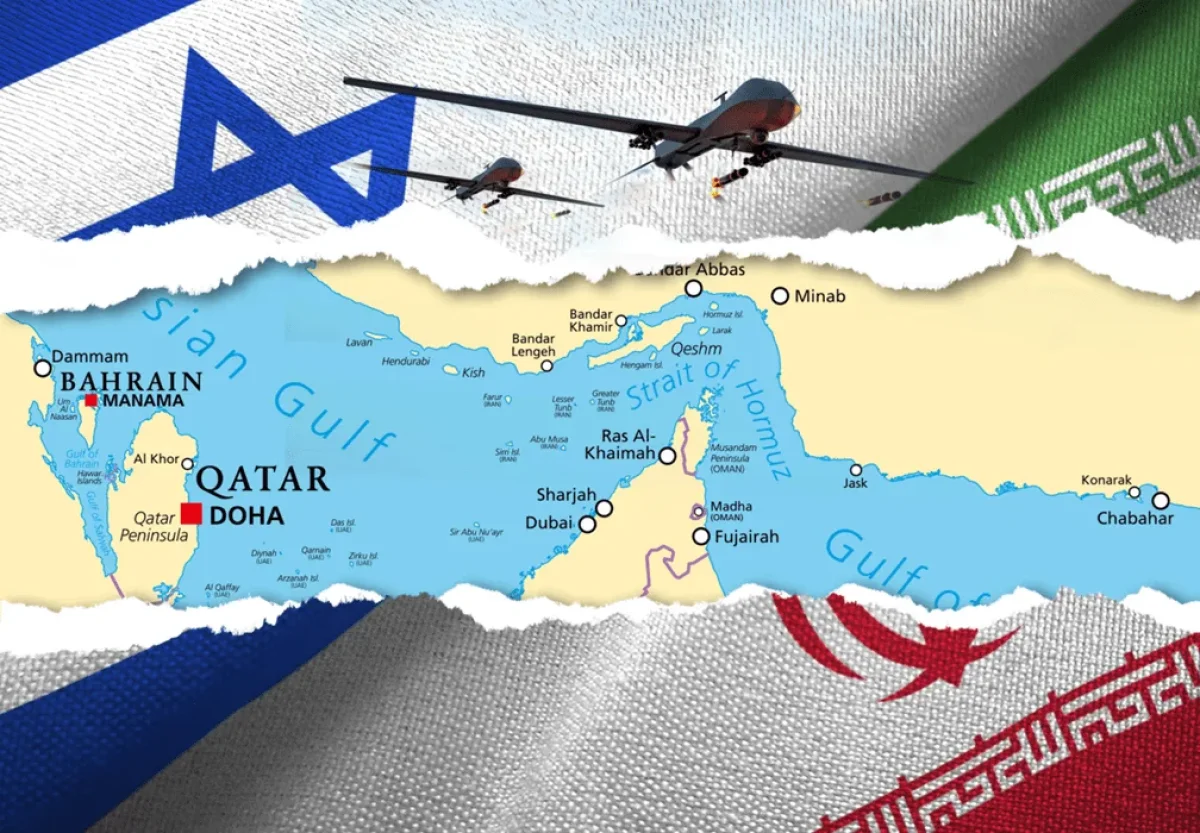
The escalation of military tensions in the Middle East has dealt a significant blow to global energy supplies and financial markets. According to the Operative Information Center-OMM, citing foreign media, the de facto closure of the Strait of Hormuz—one of the world's most strategic waterways—following weekend aerial operations has triggered a sharp spike in oil prices.
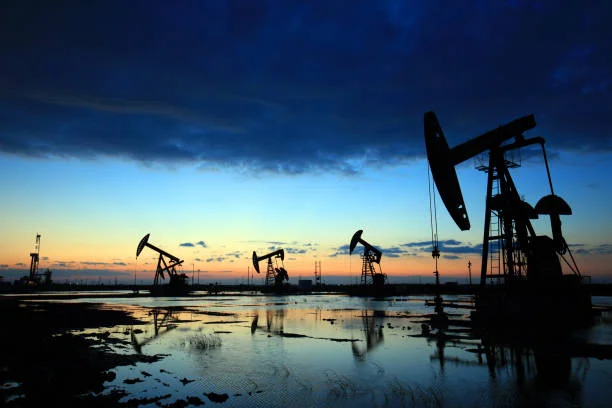
Brent crude oil began the day with aggressive gains, rising 13 percent in early trading to reach $82 per barrel. The prevailing uncertainty in the markets has driven investors toward safe-haven assets. Consequently, the price of gold rose by 2.8 percent to reach a new record level of $5,397 per ounce.
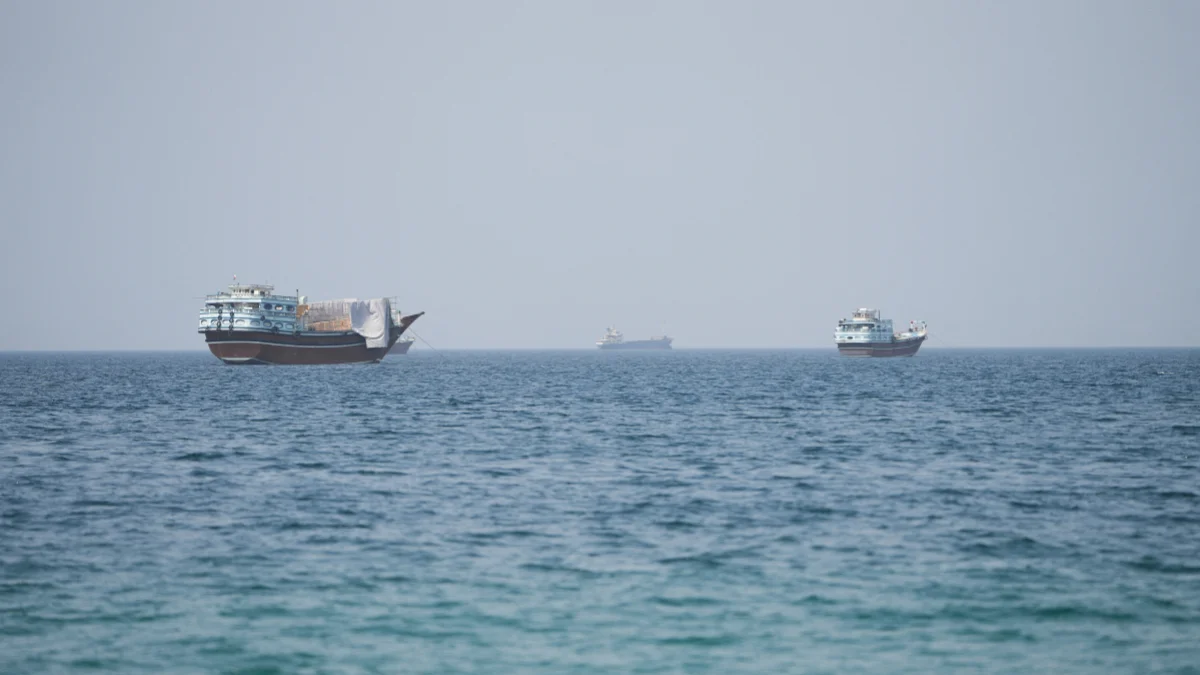
Asian markets also opened the week with losses, as Japan's Nikkei index fell by 2.4 percent and China's CSI 300 index dropped by 0.6 percent. A negative opening is also anticipated on Wall Street. The Strait of Hormuz, through which approximately one-fifth of the world's oil supply passes, has been paralyzed following warnings from Tehran regarding passage and subsequent attacks on vessels. Maritime tracking resources report that dozens of tankers are waiting on both sides of the strait due to security and insurance concerns.
Maersk, one of the world's largest container shipping companies, has announced the suspension of shipments through both the Strait of Hormuz and the Suez Canal. The International Maritime Organization has advised companies to avoid the region. Experts from Rystad Energy emphasize that the access of 15 million barrels of crude oil per day to the market is currently blocked. Meanwhile, US officials have indicated that operations could continue for weeks until objectives are met. Analysts warn that if tensions do not subside shortly, further sharp increases in oil prices will be inevitable.
The Strait of Hormuz is a vital chokepoint between the Persian Gulf and the Gulf of Oman, serving as the primary maritime route for oil exports from the Middle East to global markets. Any prolonged disruption in this region typically leads to significant volatility in global energy security and inflationary pressures on the world economy. Azerbaijan, as a reliable energy exporter and a key player in regional connectivity, closely monitors such developments due to their impact on global crude benchmarks and international logistics corridors.