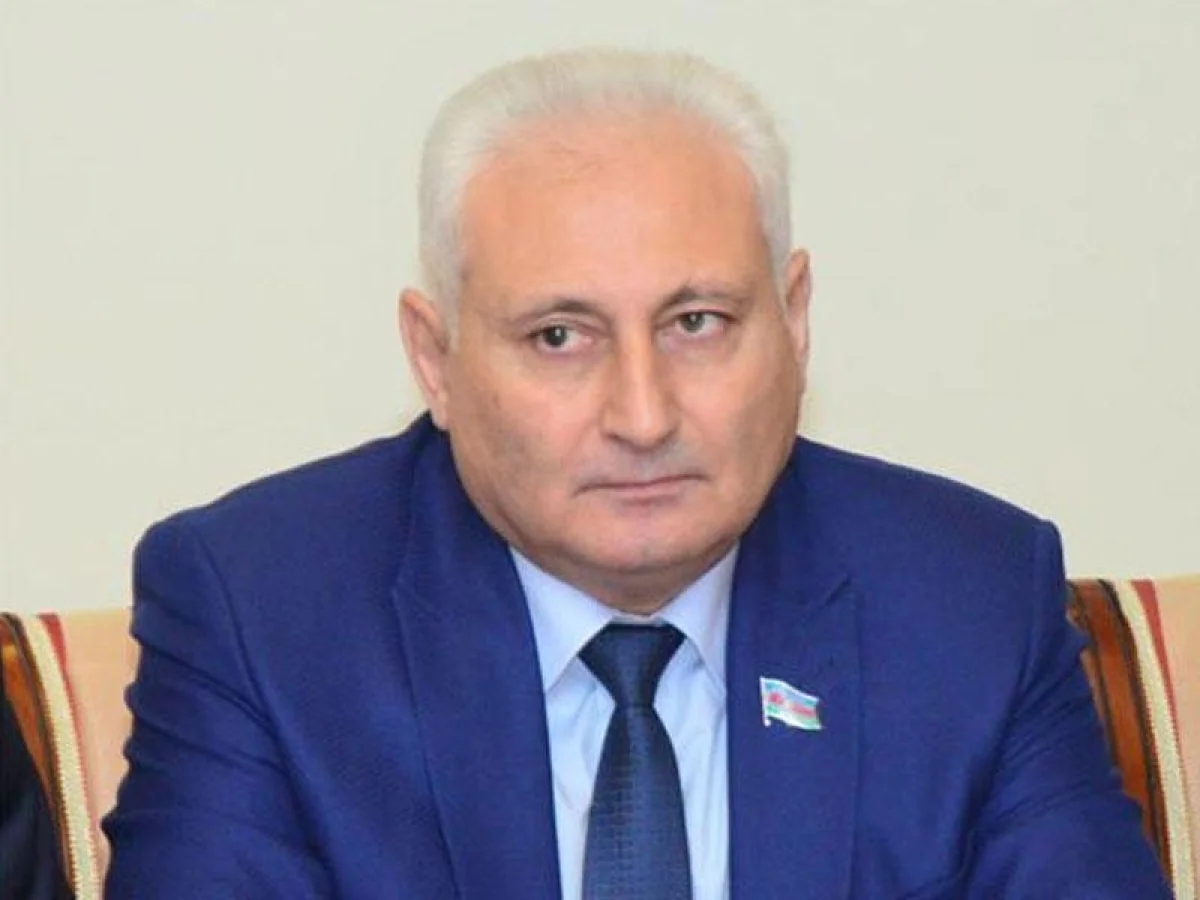
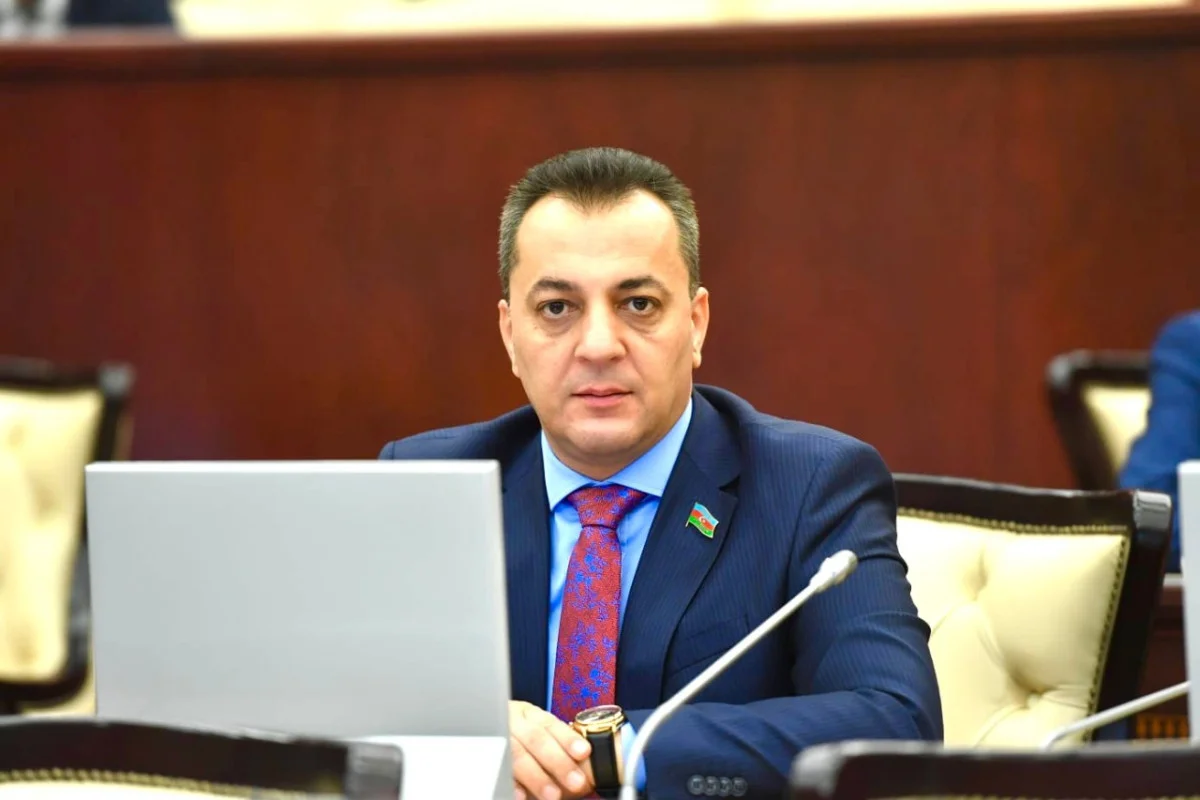
A new draft law on "Seed Growing" has been submitted for discussion at the plenary session of the Milli Majlis (National Assembly). During the deliberations, MP Zahid Oruj emphasized that seed production is of critical importance for ensuring food security, protecting the national gene pool, and maintaining economic independence in the agricultural sector.
The MP noted that recent global conflicts, pandemics, climate change, and international logistics challenges have demonstrated that food security is an integral component of national security. He stressed the necessity of protecting local varieties and developing a national school of selection.
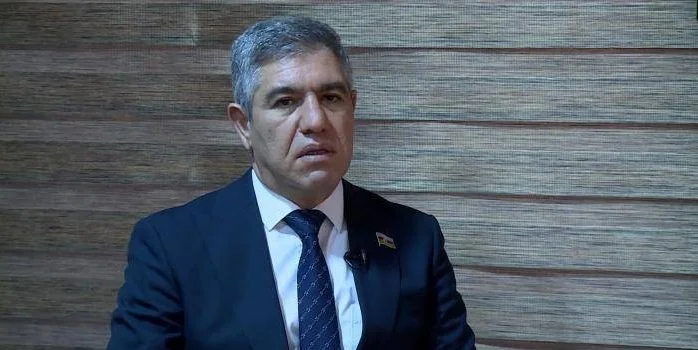
Speaking to the Operative Information Center-OMM regarding the issue, economist Akif Nasirli, chairman of the Center for Liberal Economists, noted that the primary problem in the Azerbaijani seed market is not merely related to quality or price, but rather the formation of a high dependency on foreign imports.
According to him, because the local seed production system has not developed sufficiently over many years, farmers increasingly prefer seeds offered by foreign companies. This makes the market vulnerable to both price fluctuations and import risks.
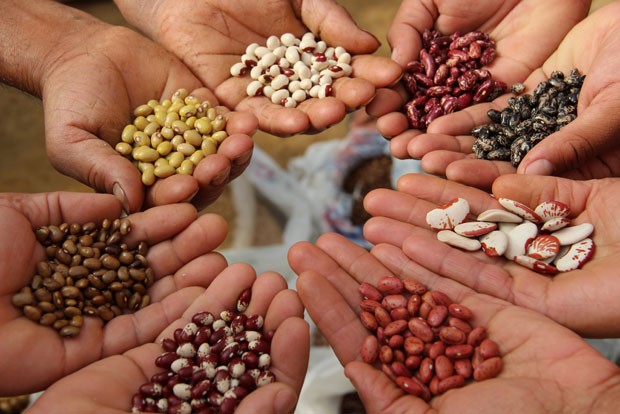
Akif Nasirli stated that the main reasons for farmers turning to foreign and hybrid seeds are higher productivity, the ability to obtain uniform produce, and alignment with market demands.
The expert added that while foreign seed suppliers provide stronger sales and agronomic support, local seeds often fail to inspire sufficient confidence among farmers regarding productivity, certification, and reliability.
The economist emphasized that high dependence on seed imports could pose serious risks to food security. In his view, global crises, wars, logistics problems, or export restrictions could lead to difficulties in seed supply, which in turn could reduce production, increase the cost of goods, and ultimately affect food prices.
The expert noted that protecting local varieties is not only a matter of biological diversity but also essential for maintaining economic potential.
He stated that local varieties are better adapted to local climate and soil conditions, often require fewer inputs, and are considered valuable genetic resources for future breeding efforts.
According to Akif Nasirli, one of the main problems in the seed sector is the lack of sufficient long-term investment in local selection and seed production, weak links between scientific research institutions and farmers, and delays in expanding the production of certified local seeds. The expert believes that, as a result, the domestic market's demand for seeds has been met primarily through imports, and this dependency has deepened over time.
The ongoing legislative reforms in the Milli Majlis aim to address these structural challenges by creating a more robust regulatory framework to incentivize local production and reduce the country's reliance on external agricultural inputs.