The European Union (EU) is preparing for its most significant expansion wave in history, sparking intense debate in Brussels over the financial implications of admitting new member states.
According to the Operative Information Center-OMM, the phased integration of Ukraine, Moldova, and the Western Balkan nations necessitates a fundamental restructuring of the EU’s current budgetary framework. The European Commission’s draft Multiannual Financial Framework (MFF) for the 2028-2034 period is viewed as the primary vehicle for these structural changes.
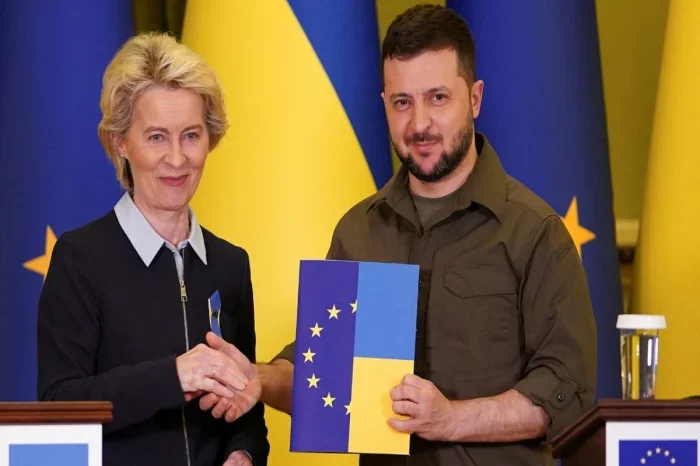
The Commission has proposed a specialized support mechanism for Ukraine valued at 100 billion euros, alongside the expansion of growth and reform funds for the Western Balkans to align candidate countries with the bloc's economic standards. However, experts warn that the existing budget system—particularly the Common Agricultural Policy (CAP) and cohesion funds—will face immense pressure. Under current rules, Ukraine’s full membership could potentially make it the largest recipient of agricultural subsidies, likely reducing the allocations for traditional beneficiaries such as France, Poland, and Spain.
Analysts warn that without comprehensive reforms, the current logic of EU budget distribution may lose its sustainability. Negotiations throughout 2025 and 2026 are focusing not only on increasing the total budget but also on identifying new "own resources." These include carbon border taxes, digital taxes, and corporate contributions aimed at alleviating the financial burden on national budgets while financing the expansion.
The 6 billion euro "Reform and Growth Facility" for the Western Balkans aims to accelerate economic restructuring before full membership is granted.
Significant political friction remains regarding these plans. Northern member states, including Germany and the Netherlands, continue to prioritize fiscal discipline, while Southern and Eastern European nations advocate for greater budgetary flexibility due to geopolitical and security concerns. In April 2026, the European Parliament requested an additional 200 billion euros for the 2028-2034 budget to bolster the expansion process, signaling a period of rigorous negotiations between member states and Brussels institutions.
The EU's expansion strategy is a critical component of its geopolitical evolution, aimed at stabilizing its eastern and southeastern frontiers. For Azerbaijan, the EU remains a key strategic partner, particularly in energy security and regional trade. As the bloc seeks to diversify its economic ties and strengthen its internal structure, the outcomes of these budget negotiations will significantly influence the future of the Eastern Partnership and the broader European political landscape.